Pakistan has signalled its willingness to host peace talks between the United States and Iran, as the Middle East conflict intensifies and competing military and diplomatic strategies raise uncertainty over a potential resolution.
Speaking following discussions with regional foreign ministers, Pakistan’s Foreign Minister Ishaq Dar said Islamabad was preparing to facilitate “meaningful talks” aimed at achieving a comprehensive and lasting settlement.
“Pakistan will be honoured to host and facilitate meaningful talks between the two sides in coming days, for a comprehensive and lasting settlement of the ongoing conflict,” Dar said, although it remains unclear whether Washington or Tehran have agreed to participate.
The proposal comes amid mixed signals from both sides. While diplomatic channels appear to remain open, Iran has accused the United States of simultaneously preparing for a potential ground offensive.
Iran’s parliament speaker Mohammad Baqer Qalibaf said Tehran had received messages suggesting negotiations, even as Washington allegedly considers deploying troops.
“As long as the Americans seek Iran’s surrender, our response is that we will never accept humiliation,” Qalibaf said in a message to the nation.
Efforts to broker a ceasefire have been further complicated by divergent demands from the United States, Israel and Iran, with each side maintaining firm conditions for ending hostilities.
Regional powers, including Saudi Arabia, Turkey and Egypt, have also been engaged in parallel discussions, focusing in part on reopening the strategically vital Strait of Hormuz.
The conflict, now entering its second month, shows little sign of easing. Israel has intensified its military campaign, with officials reporting more than 140 air strikes across central and western Iran within a 24-hour period, targeting missile infrastructure and storage facilities.
At the same time, the conflict has broadened geographically. In southern Israel, near the city of Beersheba, missile strikes caused damage to industrial facilities and injured civilians, prompting safety warnings over hazardous materials.
Across the region, key infrastructure has been hit, including aluminium plants in Bahrain and the United Arab Emirates.
The humanitarian toll has also continued to mount. The head of the World Health Organization (WHO) reported additional casualties among healthcare workers linked to expanding military operations in southern Lebanon.

Israel has maintained that Iran-backed Hezbollah militants operate within civilian infrastructure, a claim the group denies.
The conflict escalated further over the weekend as Yemen’s Iran-aligned Houthi forces launched their first direct attacks on Israel, raising concerns about potential disruption to another critical shipping route, the Bab el-Mandeb Strait.
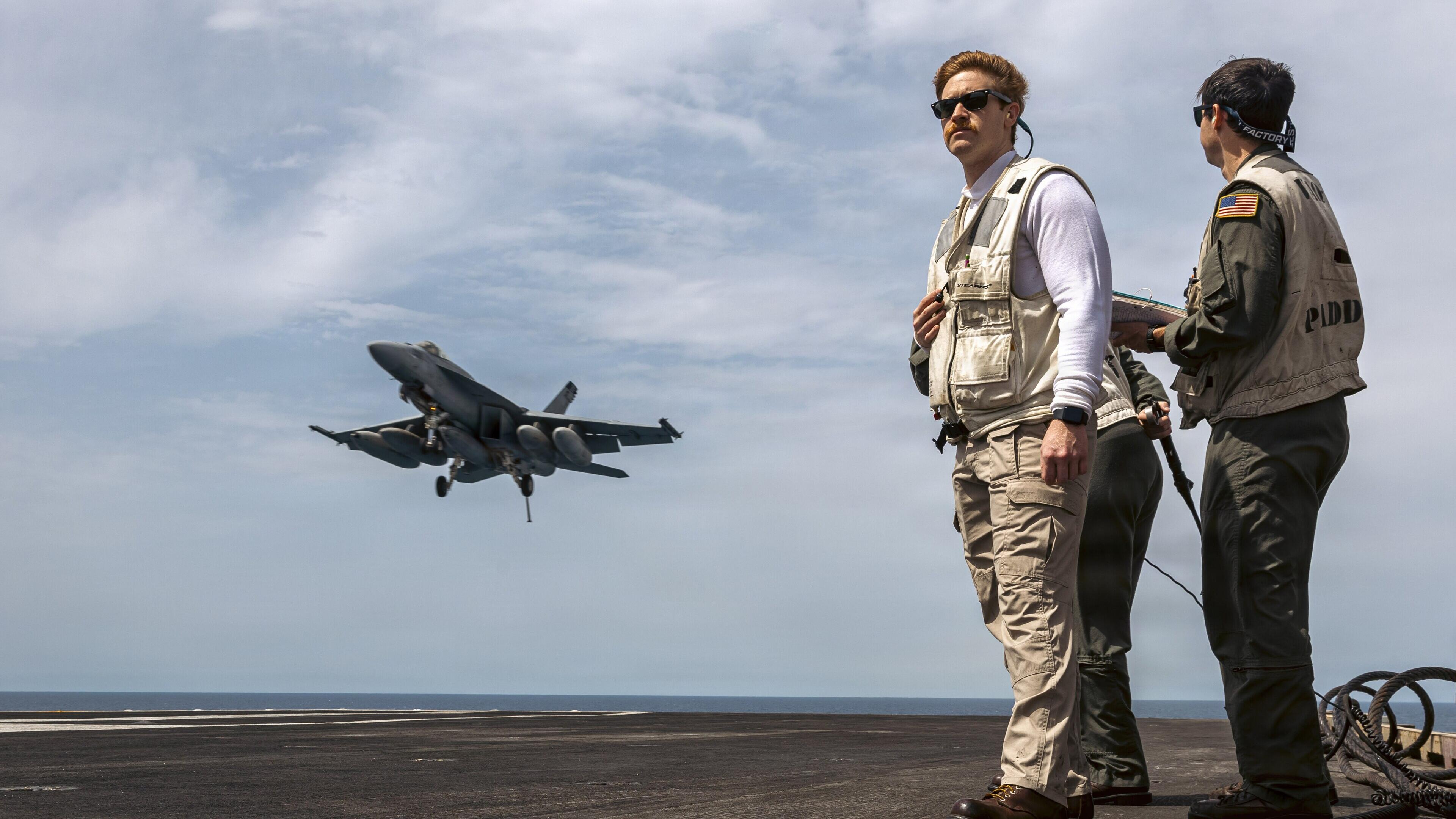
Meanwhile, the United States has increased its military presence in the region. Thousands of Marines have been deployed, with initial contingents arriving aboard amphibious assault ships.
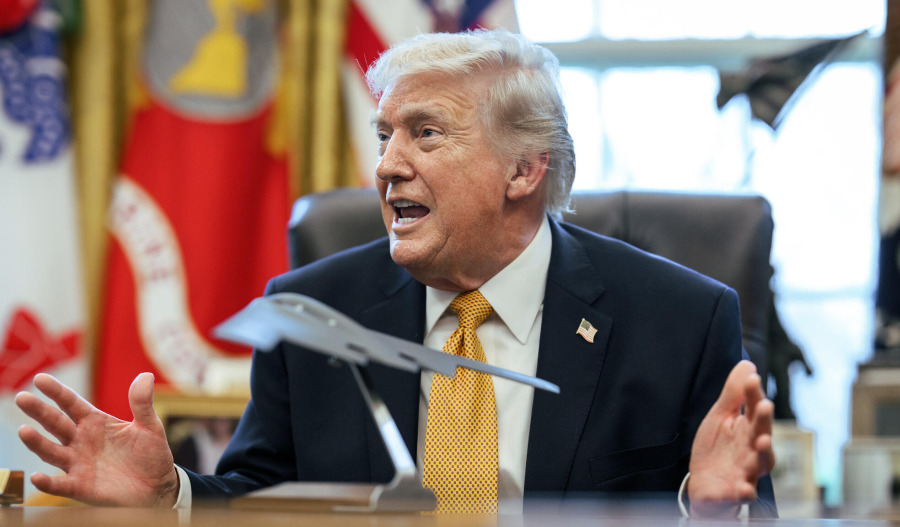
Reports suggest the Pentagon is preparing for the possibility of extended ground operations, though no final decision has been announced by U.S. President Donald Trump.
The Trump administration last week proposed a ceasefire framework that includes reopening the Strait of Hormuz and imposing restrictions on Iran’s nuclear programme.
However, Tehran has rejected the plan, offering alternative proposals that have yet to gain traction.
Israel has also indicated it will continue its military operations. Prime Minister Benjamin Netanyahu confirmed an expansion of operations in southern Lebanon, including plans to widen a “buffer zone” along the northern frontier.
“I have just instructed to further expand the existing security buffer zone. We are determined to fundamentally change the situation in the north,” Netanyahu said.
Israeli officials have reiterated that there will be no scaling back of strikes against Iran ahead of any potential negotiations. Targets in Tehran have included media infrastructure, with a building housing Al-Araby TV reportedly hit, while international monitors said Iran’s Khondab heavy water facility suffered severe damage and is no longer operational.
The widening conflict is also beginning to generate domestic political pressure in the United States. Protests have emerged in several cities, while lawmakers remain divided over the administration’s strategy.
Republican figures have suggested the conflict could be resolved within weeks, while Democrats have warned of a prolonged engagement with no clear exit strategy.
Senator Cory Booker criticised the approach, saying the United States risked being drawn deeper into a conflict “with no foreseeable off-ramp”.