
Oil prices extended their rally during Monday's Asian deals, with Brent crude on track for a record monthly surge as the widening conflict in the Middle East heightened fears of prolonged supply disruptions.
By 2:50 pm AEDT (3:50 am GMT), Brent crude futures rose $2.43, or 2.2%, to $115.00 per barrel, building on a 3.4% gain in the previous session.
U.S. West Texas Intermediate futures climbed $1.73, or 1.7%, to $101.37 per barrel, following a sharp 5.5% rise on Friday.
The gains come as Brent has surged approximately 59% over the month, marking its steepest monthly increase on record and surpassing the price spikes seen during the Gulf War.
The rally has been driven by escalating geopolitical tensions and the effective closure of the Strait of Hormuz, a critical shipping route responsible for transporting roughly one-fifth of the world’s oil and gas supplies.

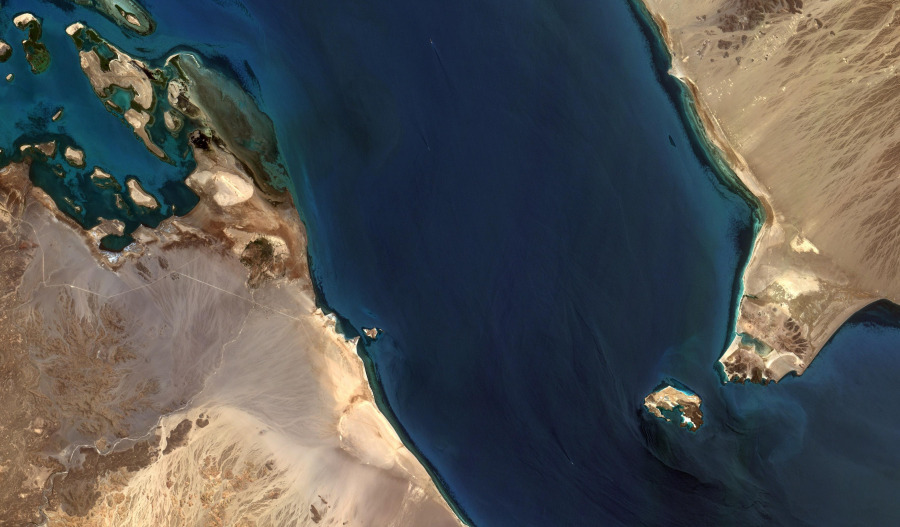
Over the weekend, Yemen’s Iran-aligned Houthi forces launched their first direct attacks on Israel, intensifying concerns that the war could further disrupt vital shipping lanes around the Arabian Peninsula and the Red Sea.
The situation deteriorated further as attacks across the region escalated, with damage reported at Oman’s Salalah oil terminal despite ongoing diplomatic efforts to broker a ceasefire.
Iran has maintained a firm stance, warning it is prepared to respond to any escalation involving ground forces.
Officials in Tehran accused Washington of preparing for a potential land assault, even as diplomatic overtures continue.
Amid the rising tensions, Pakistan has emerged as a potential mediator. The country’s Foreign Minister Ishaq Dar said discussions had taken place on possible pathways to end the conflict, including the prospect of hosting talks between the United States and Iran in Islamabad.
With energy markets increasingly sensitive to geopolitical developments, the sharp rise in oil prices is expected to sustain inflationary pressures globally, complicating the outlook for central banks and economic growth.