Oil prices fell more than 1% during Friday's Asian deals, remaining on track for their sharpest weekly decline since April after reports that the United States and Iran had agreed to extend a ceasefire and ease restrictions on shipping through the Strait of Hormuz.
By 3 pm AEST (5 am GMT), Brent crude futures for August delivery were down $0.93, or 1%, at US$91.77 per barrel, while West Texas Intermediate (WTI) crude futures for July delivery fell $1.13, or 1.3%, to $87.77 per barrel.
For the week, Brent had dropped 11.4%, marking its steepest weekly decline since the week ended 6 April, while WTI was down 9.2%, the largest weekly fall since the week ended 13 April.
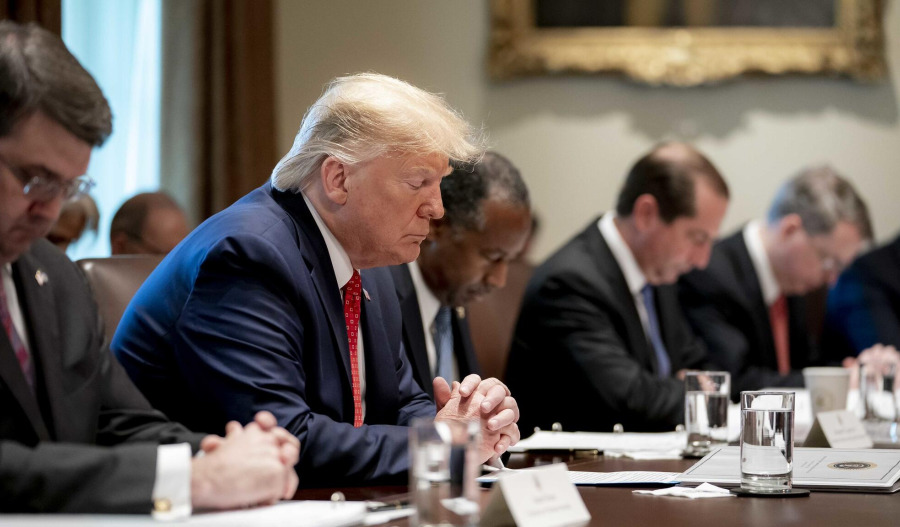
Reuters reported that the United States and Iran had reached an agreement on Thursday to extend a ceasefire and restore shipping access through the Strait of Hormuz, although President Donald Trump had not yet approved the arrangement and Iranian state media said negotiations had not been finalised.
The prospect of easing tensions around the strategic waterway reduced fears of prolonged supply disruptions, triggering another round of selling across oil markets.
Analysts at ING said any reopening of the strait would initially provide relief to energy markets, though they cautioned that a full recovery in regional supply would likely take time.
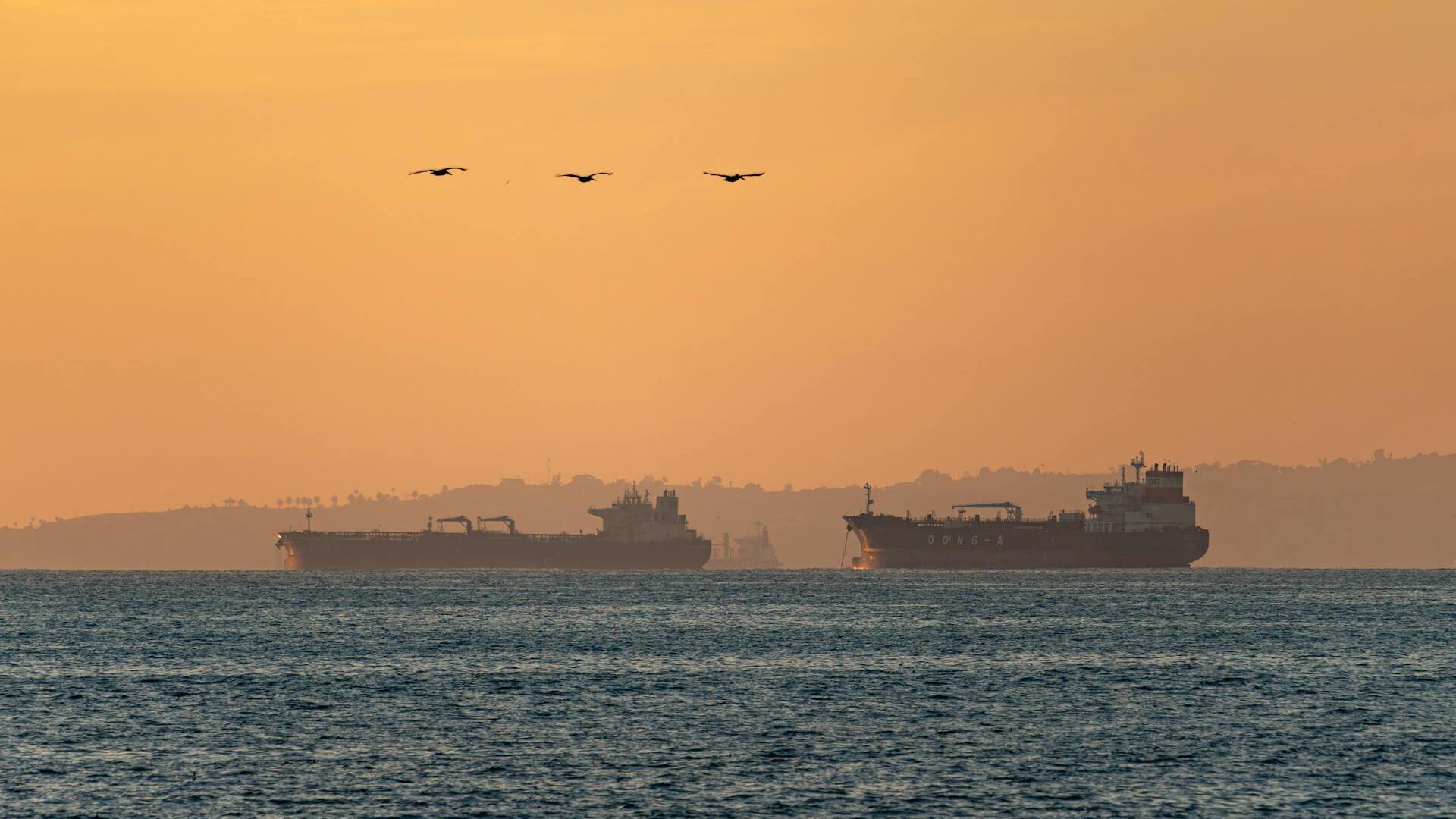
“A reopening of the strait would offer some immediate relief to the oil market with tankers leaving the Persian Gulf,” ING commodity strategists said in The Commodities Feed.
"However, the recovery is still uncertain. Firstly, shipowners could be reluctant to send vessels into the Persian Gulf initially, with fears that the ceasefire could break down, potentially trapping vessels once again in the Gulf.

"Secondly, upstream oil production has fallen significantly since the war, with producers shutting in production in order to manage storage constraints.
"The recovery in upstream production will be gradual rather than immediate. And a significant amount of upstream production would need to be brought back, with Persian Gulf crude oil supply (excluding Qatar) in April 2026 down 10m b/d from pre-war levels.
"Refined product flows will also take time to recover. Refineries in the region need to ramp up output. This will take time, given that some of this infrastructure was targeted in attacks earlier in the conflict.”
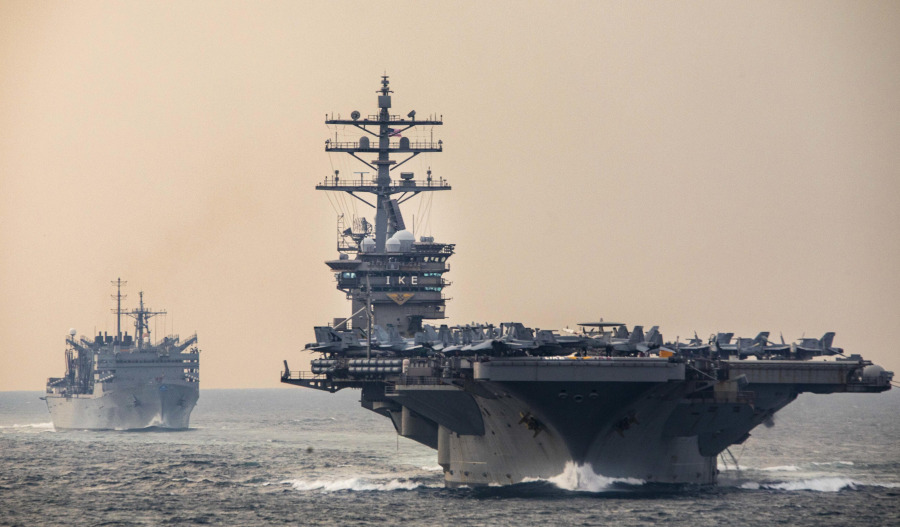
Oil markets have experienced sharp volatility in recent weeks as traders reacted to conflicting headlines surrounding the three-month U.S.-Israeli conflict with Iran and the future of shipping through the Strait of Hormuz, which normally handles around one-fifth of global oil and liquefied natural gas flows.
On the supply side, fresh U.S. inventory data also influenced market sentiment.
The U.S. Energy Information Administration (EIA) said commercial crude oil inventories excluding the Strategic Petroleum Reserve fell by 3.3 million barrels last week.
Markets had been expecting a larger drawdown of around 4.1 million barrels.
At 441.7 million barrels, U.S. crude inventories remained around 2% below the five-year seasonal average, according to the EIA report.