United States President Donald Trump said Iran was "negotiating on fumes" and warned the U.S. could still resume military action if Tehran failed to reach an agreement, saying, "Maybe we have to go back and finish it, maybe we don't."
Additionally, Reuters reported, citing an anonymous U.S. official, that the U.S. military shot down Iranian drones and carried out fresh strikes on a military site near the Strait of Hormuz that posed a threat to American forces and commercial shipping operating in the strategic waterway
U.S. negotiations with Iran remained unresolved on Wednesday, with the White House dismissing reports that Tehran and Oman could jointly manage shipping through the Strait of Hormuz as part of a broader agreement to end the war.
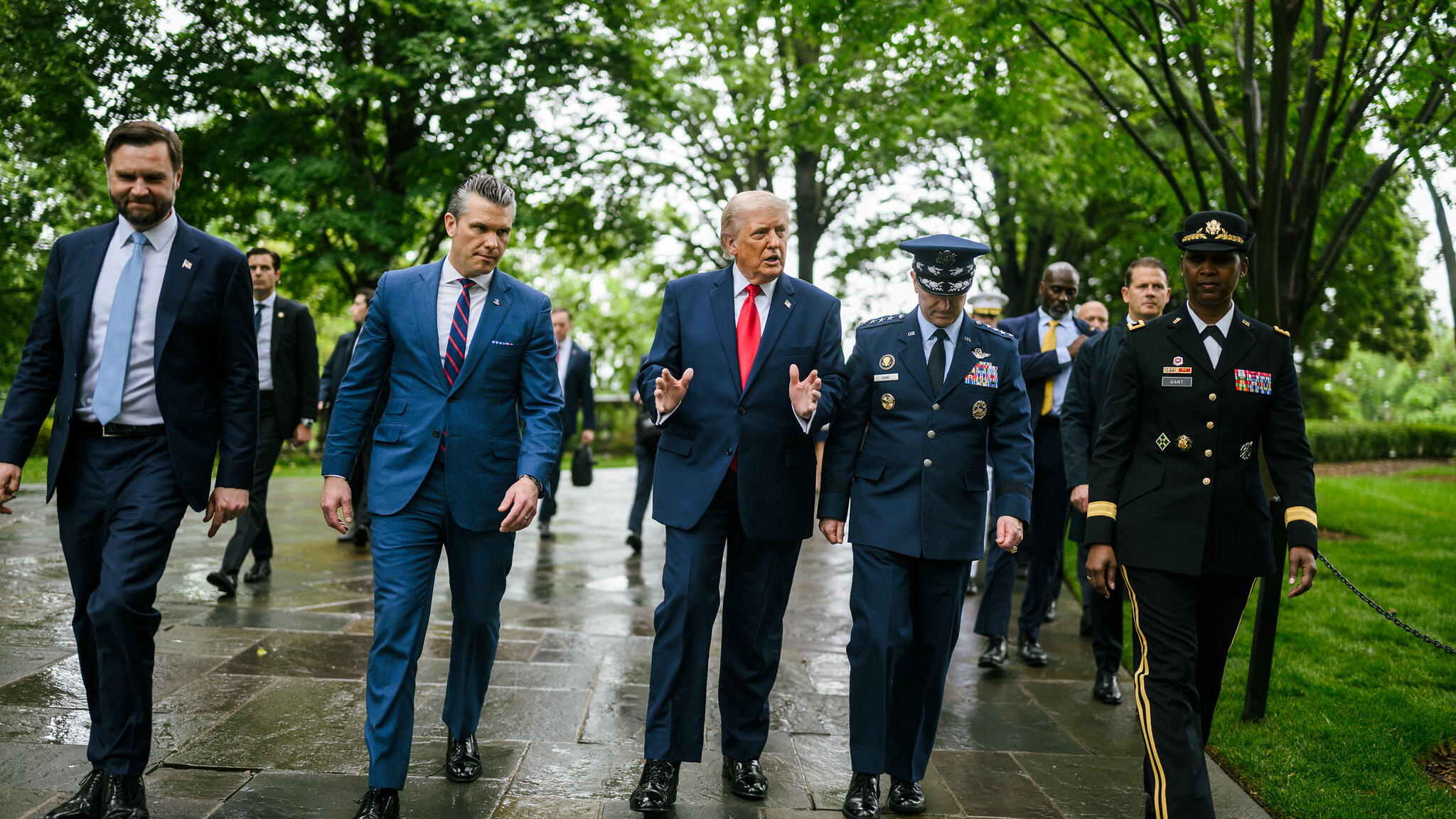
Speaking during a cabinet meeting attended by reporters, Trump rejected suggestions that any single country would control the strait and appeared to warn Oman against attempting to do so.
"Nobody's going to control (the strait)," Trump said. "It's international waters and Oman will behave just like everybody else or we'll have to blow them up. They understand that. They'll be fine."
Iranian officials responded to Trump’s remarks, signalling that major disagreements remained despite recent White House suggestions that a deal could be close.
Ebrahim Azizi, head of the Iranian parliament’s national security committee, said Trump’s “rhetoric” would not pressure Tehran into abandoning its demands over uranium enrichment, sanctions relief and authority over the Strait of Hormuz.
"It is obvious Trump, seeking a way out of this strategic deadlock, alternates between issuing threats and appealing for an agreement," Azizi said in a post on X.
Secretary of State Marco Rubio struck a more cautious tone, saying there had been "some progress and some interest" in the negotiations.
"We'll see over the next few hours and days whether progress could be made," Rubio said.
The conflict, now in its third month, has killed thousands and driven global energy prices sharply higher since beginning on 28 February following U.S. and Israeli strikes.

Although Trump has repeatedly said a deal could be near since a ceasefire took effect in early April, negotiations remain stalled over Iran’s nuclear programme, sanctions relief and control of the Strait of Hormuz.
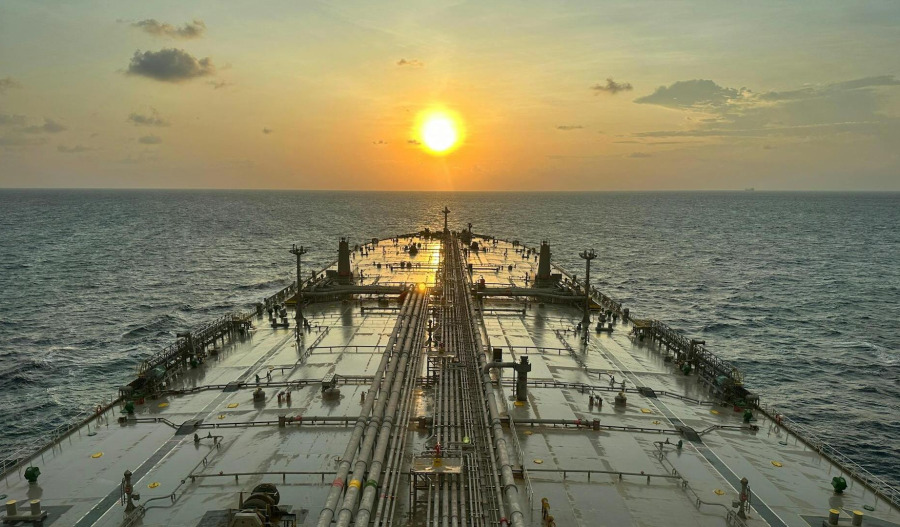
Before the war, the strait handled about one-fifth of global oil and liquefied natural gas shipments, making it one of the world’s most strategically important trade routes.
International maritime law guarantees foreign vessels the right of passage through the waterway.
Trump also renewed pressure on Gulf nations and regional allies to join the Abraham Accords as part of a broader Middle East settlement.
"We'd like to have the countries we were talking about, Saudi Arabia, UAE, Qatar and the others … we'd like to have them join the Abraham Accords," he said. "It'll be historic if they do it. And I think, I think they owe that to us."
He later added: "I'm not sure we should make the deal if they don't sign, if you want to know the truth."
Iran’s Islamic Revolutionary Guards Navy said 23 vessels, including oil tankers, container ships and commercial ships, passed through the Strait of Hormuz with its permission during the previous 24 hours. That remained well below prewar traffic levels of between 125 and 140 vessels daily.
Meanwhile, tensions also escalated along Israel’s northern border.
Israel announced it was moving its evacuation line in Lebanon farther north to the Zahrani River, declaring that “all areas south of the river are considered combat zones”.
The previous demarcation line had been around the Litani River, approximately 18 miles north of the Israeli border, while the Zahrani River lies about 25 miles north.
The Israel Defense Forces said it had also struck command centres in the Lebanese city of Tyre on Wednesday after earlier issuing evacuation warnings for the area.
According to the IDF, around 550 Hezbollah targets in Lebanon have been struck since the beginning of the week.