Iran accused the United States on Tuesday of violating a fragile ceasefire after American strikes targeted sites near the Strait of Hormuz, threatening efforts to end the conflict and restore stability to global energy markets.
Iran’s foreign ministry said the strikes in the southern province of Hormozgan, where Iranian media reported explosions early Tuesday, breached the ceasefire that has been in place for nearly seven weeks.
The United States said the attacks were defensive, targeting missile launch sites and boats allegedly attempting to deploy naval mines.
U.S. Secretary of State Marco Rubio said a deal with Iran remained possible, adding that President Donald Trump wanted to either “make a good deal” or no deal at all.
Rubio also said it could take "a few days" to negotiate an agreement to halt the conflict after both sides previously indicated progress towards an initial framework.
That preliminary agreement would reportedly provide negotiators with 60 days to address more complex issues, including Iran’s nuclear program.
Oil prices rose again following the latest strikes, reflecting ongoing concerns about disruptions to global energy supplies through the Strait of Hormuz.
Speaking to reporters while travelling in India, Rubio said the strategic waterway needed to remain open "one way or the other".
The conflict, which began following U.S. and Israeli strikes on Iran on 28 February, has triggered a major global oil supply shock, increasing costs for fuel, fertiliser and food.
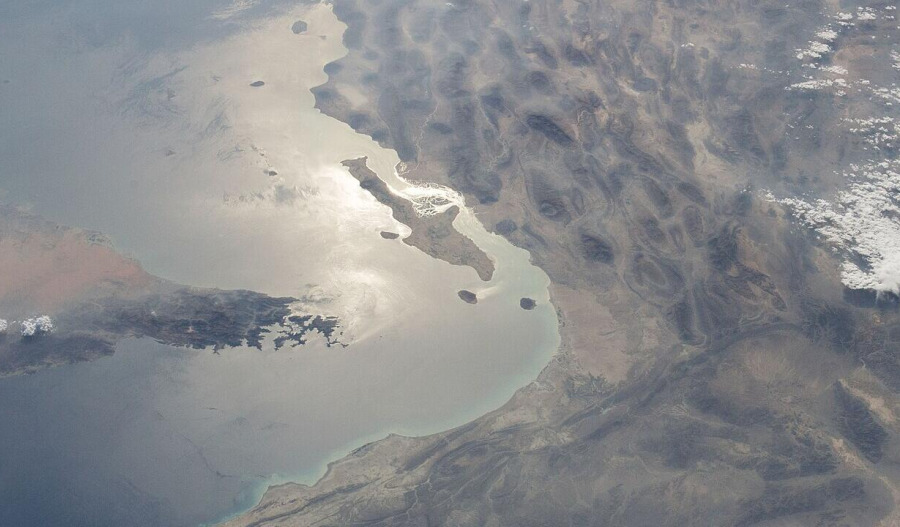
The Strait of Hormuz normally handles roughly one-fifth of global oil and liquefied natural gas trade, but shipping volumes have fallen sharply since the conflict began.
Iran’s Revolutionary Guards said 25 oil tankers and commercial vessels had passed through the strait with Iranian approval over the previous 24 hours.

Global benchmark Brent crude futures rose approximately 3.5% on Tuesday to US$96.67 per barrel.
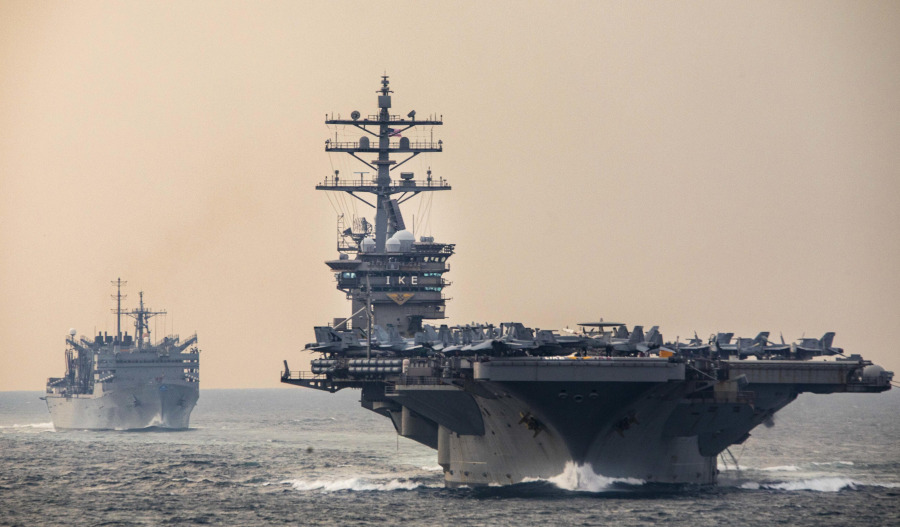
Meanwhile, the U.S. military’s Central Command said in a post on X that the ongoing blockade of Iranian-linked vessels had turned around 108 ships since operations began on 13 April.
Washington imposed the blockade less than a week after President Trump announced a ceasefire agreement with Iran. Tehran has denounced the naval operation as a breach of the ceasefire and has effectively imposed its own restrictions on vessels attempting to transit the Strait of Hormuz.
Iran maintains that commercial ships must obtain approval from its military before entering the waterway. Iranian officials said they were working with Oman on a new access system for commercial vessels, which could involve additional costs, although Tehran denied imposing tolls.
The Revolutionary Guards said they reserved the right to retaliate following the latest strikes. The group claimed Iranian air defence systems had downed one U.S. drone and fired at another drone and a fighter jet allegedly entering Iranian airspace over the Gulf.
In comments posted on his Telegram channel during the annual hajj pilgrimage, Iran’s Supreme Leader Ayatollah Mojtaba Khamenei declared: "From now on, the slogans 'Death to America' and 'Death to Israel' will be the slogans of the Islamic nation and the oppressed people of the world."
President Trump has previously referenced those slogans while defending military action against Iran.
Iranian and U.S. officials have indicated recent indirect negotiations have produced progress towards a memorandum of understanding that could form the basis of a broader agreement.
Iranian media reported that Iran’s lead negotiator, Mohammad Baqer Qalibaf, returned from Qatar after seeking the release of approximately US$24 billion in frozen Iranian assets as part of the proposed arrangement.
Iran’s Fars news agency reported that the frozen funds remained the final major sticking point in negotiations.
Tehran is also seeking an end to hostilities in Lebanon, where a mid-April ceasefire has failed to stop fighting between Israel and the Iran-backed militant group Hezbollah.
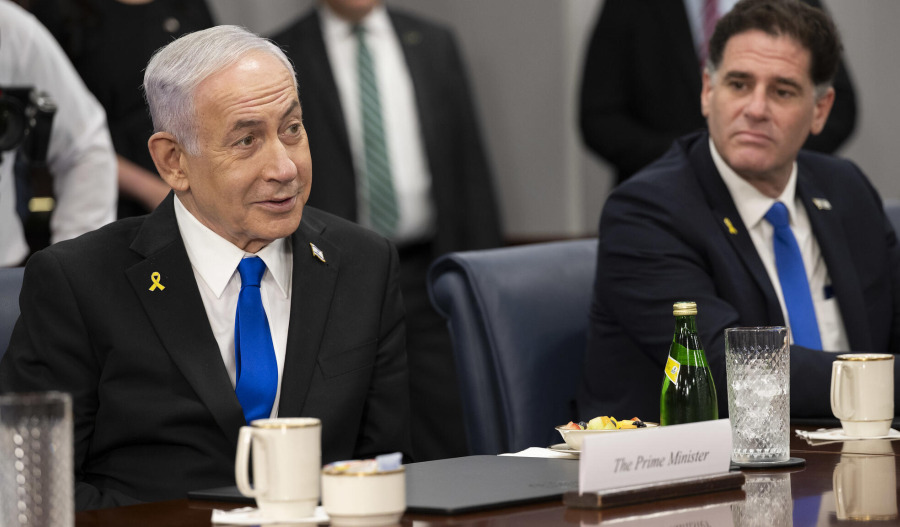
Israeli Prime Minister Benjamin Netanyahu said on Tuesday that Israel was "deepening its operations in Lebanon" and operating with "large forces in the field".