Iran and the United States sought to temper expectations of an imminent breakthrough in their three-month conflict on Monday, despite reports that negotiations had advanced on reopening the Strait of Hormuz and extending a fragile ceasefire.
U.S. Secretary of State Marco Rubio said Washington remained committed to diplomacy but warned there were alternative options if talks failed.
Speaking to reporters in New Delhi, Rubio said the United States would give diplomacy every opportunity to succeed before exploring “alternatives”, after President Donald Trump signalled over the weekend that negotiators should not rush toward an agreement.
“There was a ‘pretty solid thing on the table in terms of their ability to open up the strait, get the strait open, enter into a very real, significant, time-limited negotiation on the nuclear matter, and hopefully we can pull it off,” Rubio said.
However, the U.S. military also carried out strikes on targets in Iran near the Strait of Hormuz, with Navy Captain Tim Hawkins, a spokesperson for U.S. Central Command, saying the attacks were “self-defence strikes” targeting “missile launch sites and Iranian boats attempting to emplace mines”.
“U.S. Central Command continues to defend our forces while using restraint during the ongoing ceasefire,” Hawkins said.
Additionally, Iranian officials cautioned against assuming a deal was close.
Foreign ministry spokesperson Esmaeil Baghaei said Tehran was currently focused on ending the conflict rather than discussing nuclear issues in detail, although substantial progress had been made on broader negotiations.
“It is correct to say that we have reached a conclusion on a large portion of the issues under discussion,” Baghaei said in Tehran on Monday. “But to say that this means the signing of an agreement is imminent - no one can make such a claim.”
Baghaei added that while a framework memorandum of understanding had been drafted, it did not include detailed arrangements governing the Strait of Hormuz, which he said remained under the authority of the region’s coastal nations.
The proposed framework reportedly includes a 60-day extension of the ceasefire agreed in early April, the reopening of the Strait of Hormuz and a roadmap for continued negotiations over Iran’s nuclear programme.
Japan’s Nikkei reported on Monday, citing a Middle East diplomatic source, that the two sides were discussing a phased reopening of the strait roughly 30 days after a formal agreement to end hostilities.
Under the reported proposal, Iran would clear naval mines from the strategic waterway during a 30-day transition period, after which commercial shipping from all nations would resume safe passage without transit fees being imposed by Tehran.
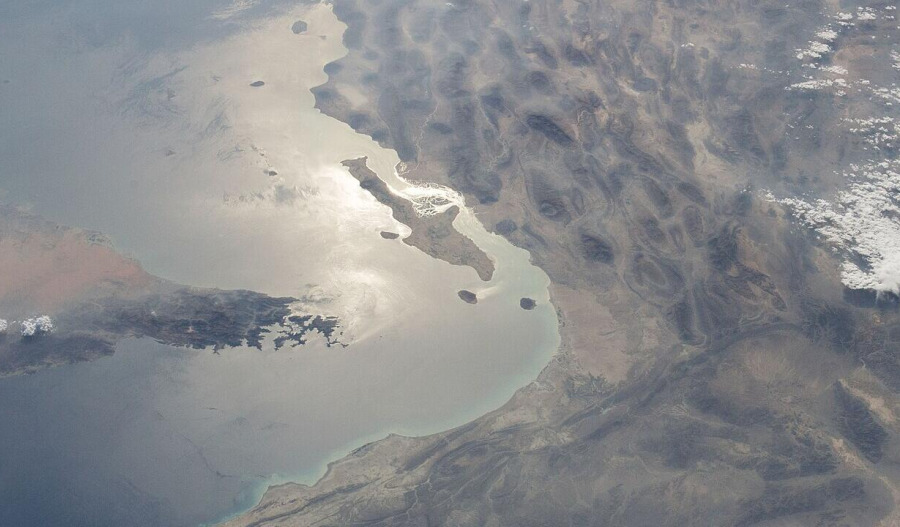
The Strait of Hormuz is one of the world’s most strategically important shipping lanes, carrying around one-fifth of global oil and liquefied natural gas shipments before the conflict erupted.

Oil markets reacted positively to signs of progress in negotiations, with crude prices falling 5% on Monday to their lowest levels in two weeks amid growing optimism that the conflict could ease.
However, significant obstacles remain unresolved.
The two sides continue to differ sharply over Iran’s nuclear ambitions, the future of sanctions imposed on Tehran, and the release of billions of dollars in Iranian oil revenues frozen overseas.
Regional tensions linked to Israel’s ongoing conflict in Lebanon with the Iranian-backed Hezbollah militia also remain a complicating factor.
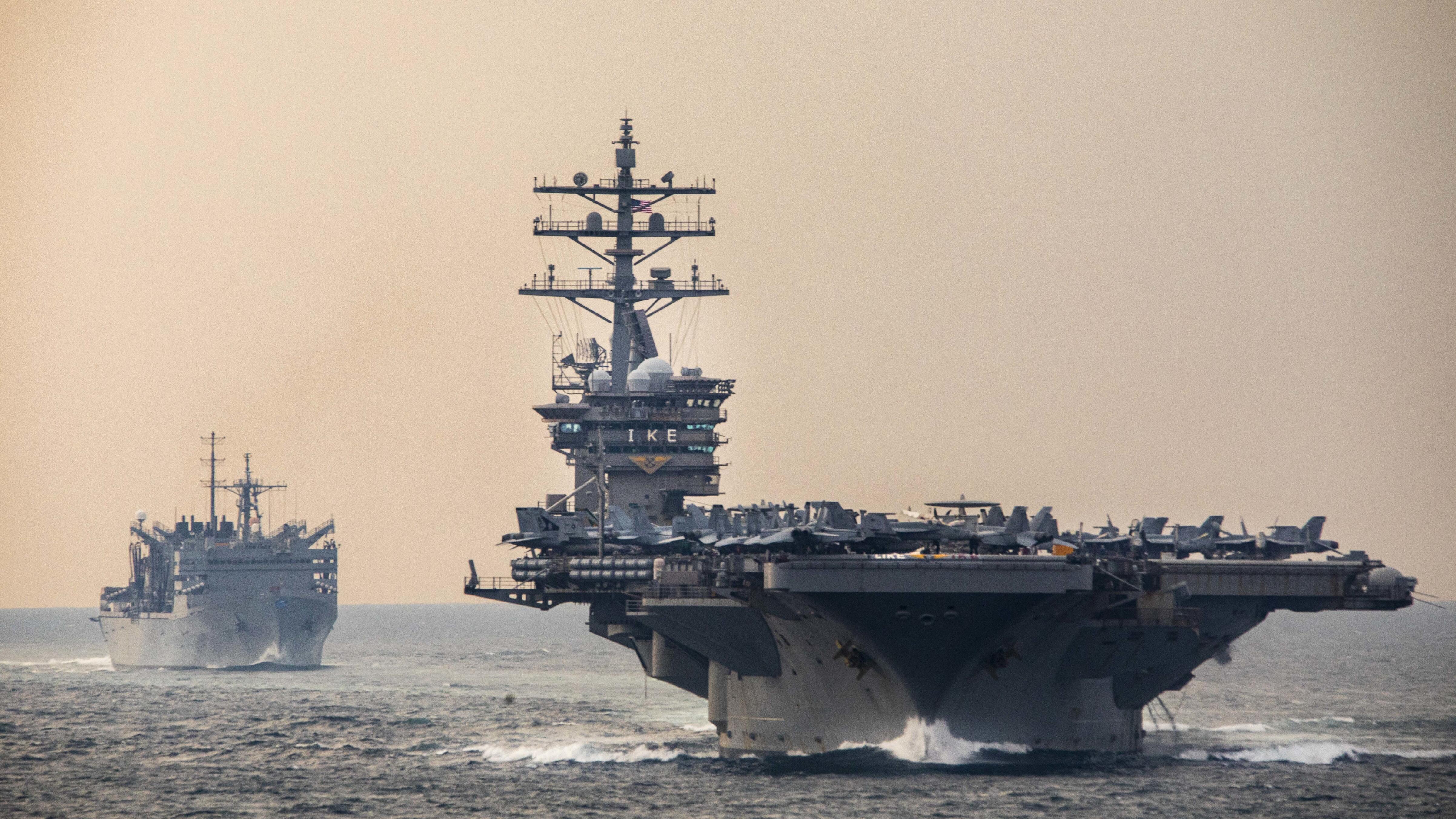
A senior Trump administration official, speaking on condition of anonymity, said Iran had agreed “in principle” to reopen the Strait of Hormuz in exchange for the lifting of the U.S. naval blockade and to dispose of its stockpile of highly enriched uranium.
The official also said Washington believed Iran’s Supreme Leader Ayatollah Mojtaba Khamenei had endorsed the broad structure of the proposed agreement.
The source rejected suggestions that Tehran had refused to relinquish its enriched uranium reserves, stating: “It’s a question about how.”
A second senior administration official said the current framework would provide negotiators with 60 days to finalise a comprehensive agreement.
Iranian sources familiar with the talks told Reuters that future stages of the negotiations could include “feasible formulas” for handling Tehran’s enriched uranium stockpile, including dilution of the material under supervision from the United Nations nuclear watchdog.
Iran has consistently denied accusations from the United States and Israel that it is pursuing nuclear weapons, maintaining that its uranium enrichment activities are intended solely for civilian energy purposes.
Western governments, however, argue that the purity levels achieved by Iran exceed those required for peaceful nuclear power generation.
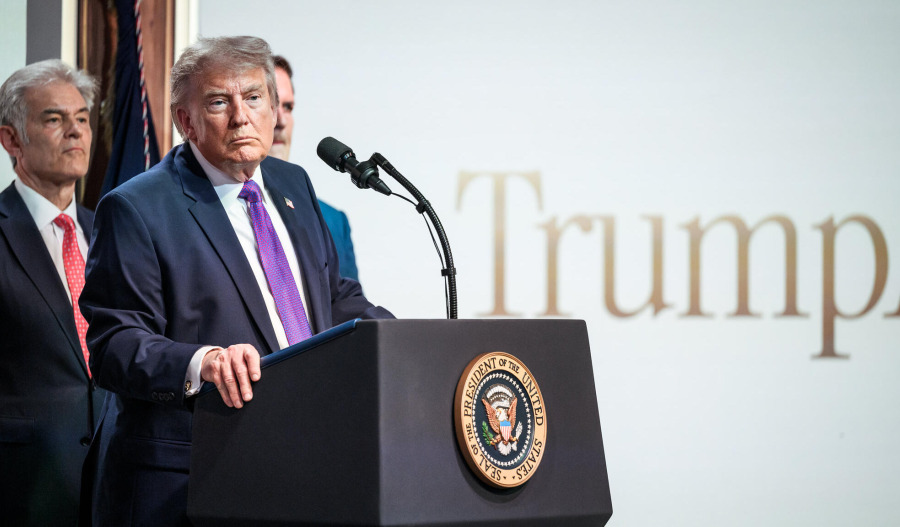
Trump, whose approval ratings have come under pressure amid rising energy costs tied to the conflict, has repeatedly promoted the prospect of securing a deal since the war began on 28 February.
On Sunday, the president defended his handling of the negotiations and criticised opponents questioning his willingness to compromise with Tehran.
“If I make a deal with Iran, it will be a good and proper one ... So don’t listen to the losers, who are critical about something they know nothing about,” Trump posted on Truth Social.
A ceasefire first agreed in early April has largely held despite sporadic tensions, though officials on both sides acknowledged the situation remained fragile as negotiations continued.