The United States and Iran have moved closer toward a potential agreement to end their nearly three-month-old conflict, with negotiators reportedly agreeing on broad principles for a peace framework, although major sticking points remain unresolved.
A senior Trump administration official told CBS News that Washington and Tehran were working toward a finalised agreement, with Iran having in principle agreed to a deal that would include the disposal of highly enriched uranium.
According to the official, there is now a broad commitment between both sides on key principles.
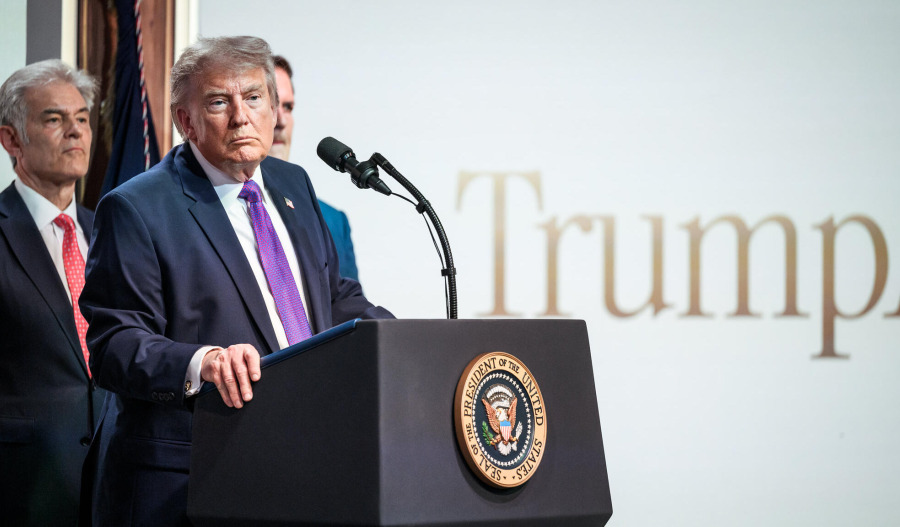
Following a call with Middle Eastern leaders on Saturday, United States President Donald Trump said a peace agreement with Iran had been “largely negotiated”, although details were still under discussion.
Trump also told CBS News earlier on Saturday that negotiators were “getting a lot closer” to finalising a deal, while Secretary of State Marco Rubio indicated further announcements could be made shortly.
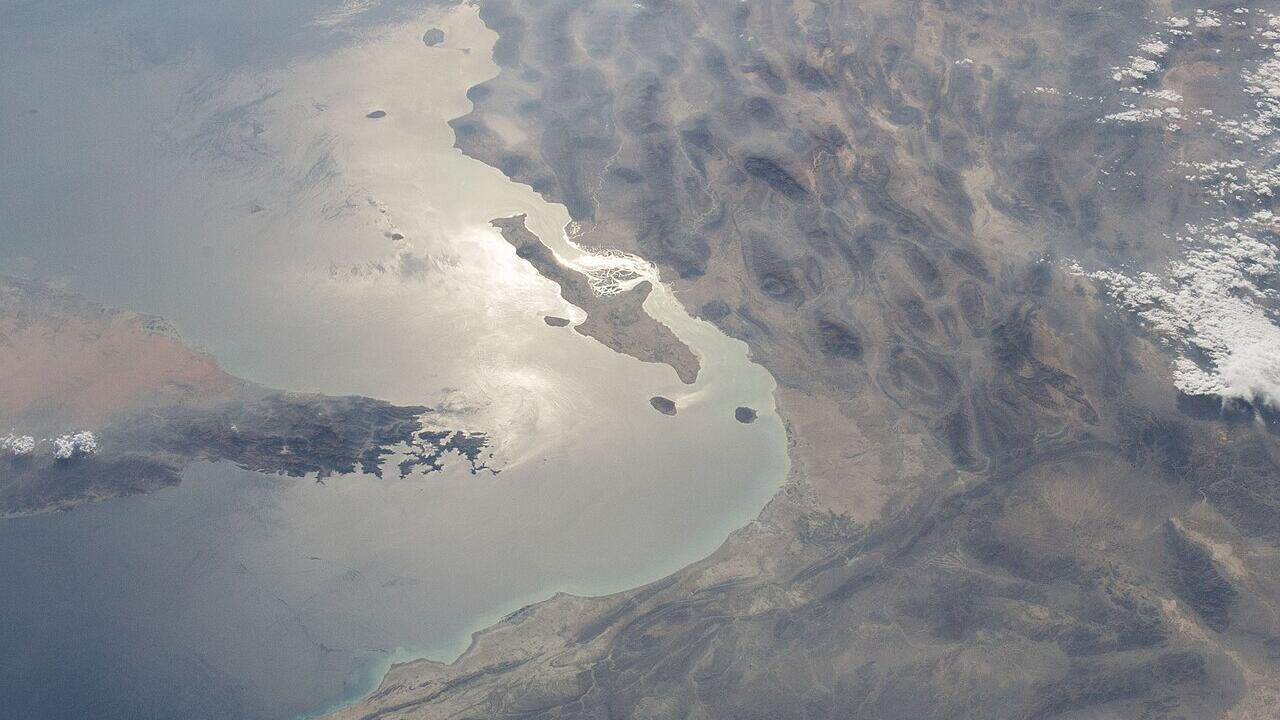
Sources familiar with the talks said the latest proposal included discussions surrounding the reopening of the Strait of Hormuz, the release of some frozen Iranian assets held overseas and the continuation of negotiations between the two sides.
Iran’s semi-official Fars News Agency reported on Saturday that even “in the event of a possible agreement, the Strait of Hormuz will still be under Iranian management.”
In a Truth Social post, Trump reiterated his view that negotiations were progressing positively, while stressing there was no urgency to conclude an agreement.
“The negotiations are proceeding in an orderly and constructive manner, and I have informed my representatives not to rush into a deal in that time is on our side,” Trump said in the social media post. “Both sides must take their time and get it right. There can be no mistakes!”
Despite signs of progress, both countries remain divided over Tehran’s enriched uranium stockpile and proposals linked to shipping access through the Strait of Hormuz.

Speaking in Miami on Thursday, Rubio said there were “good signs” that an agreement could be reached but warned any arrangement allowing Iran to permanently control shipping through the Strait of Hormuz would be unacceptable.
“No one in the world is in favour of a tolling system. It can’t happen [and] it would be unacceptable,” Rubio told reporters.
“If we can’t get a good deal, the president’s been clear he has other options,” Rubio said.
Iranian media also acknowledged that the latest American proposal had reduced differences between the two sides.
The semiofficial Iranian Students’ News Agency reported that the proposal “has narrowed the gaps to some extent”, although it added that “further reductions require an end to the temptation for war from Washington”.
Negotiations in recent weeks have made limited progress, with both nations maintaining an uneasy ceasefire while Tehran continues restricting access through the Strait of Hormuz and Washington maintains a blockade against Iranian ports.
Trump also rejected discussions involving Iran and Oman regarding a potential payment system to manage traffic through the Strait of Hormuz, saying the United States maintained authority over the international waterway.
“We want it open. We want it free. We don’t want tolls. It’s international. It’s an international waterway,” the president told reporters on Thursday.
The issue of Iran’s enriched uranium stockpile remains another major obstacle in negotiations. Washington has pushed for Tehran to relinquish its stockpile over concerns it could eventually be used in the development of nuclear weapons, while Iran insists the material is intended solely for peaceful purposes.
Reuters reported on Thursday that Iran’s supreme leader, Ayatollah Mojtaba Khamenei, had directed that near-weapons-grade uranium should not be transferred outside the country.
Meanwhile, the U.S. military’s Central Command said in a post on X on Friday that the USS Abraham Lincoln aircraft carrier strike group was “maintaining peak readiness” in the Arabian Sea while continuing enforcement operations against Iranian ports.