United States President Donald Trump said on Wednesday that negotiations with Iran were in their “final stages”, raising hopes of a diplomatic resolution to escalating tensions in the Middle East.
However, he also noted that the U.S. remained prepared to launch further attacks on Tehran if Iran failed to agree to a peace deal, though Washington was willing to wait a few days to “get the right answers”.
Oil prices retreated on the news, with West Texas Intermediate crude futures falling 5.7% to settle at US$98.26 per barrel, while Brent crude futures dropped 5.6% to close at $105.02 a barrel.
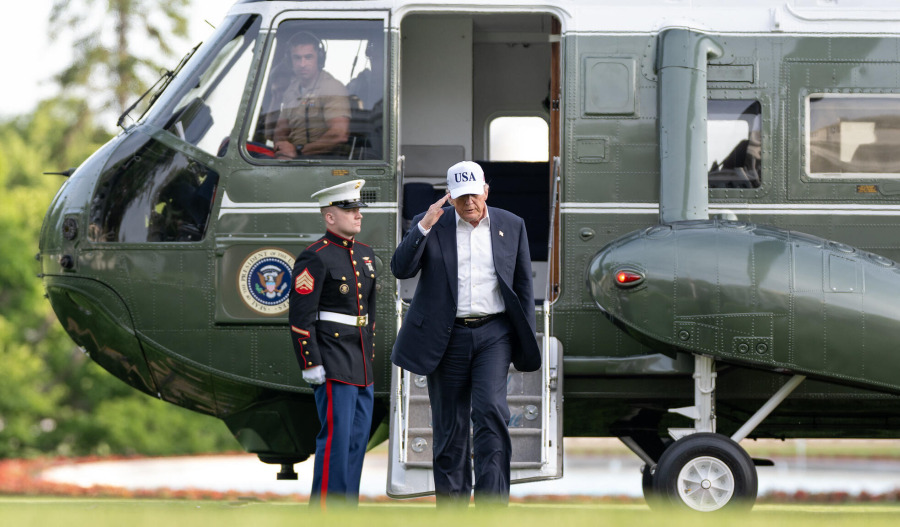
Speaking to reporters at Joint Base Andrews, Trump said the situation remained precarious and could deteriorate rapidly if negotiations broke down.
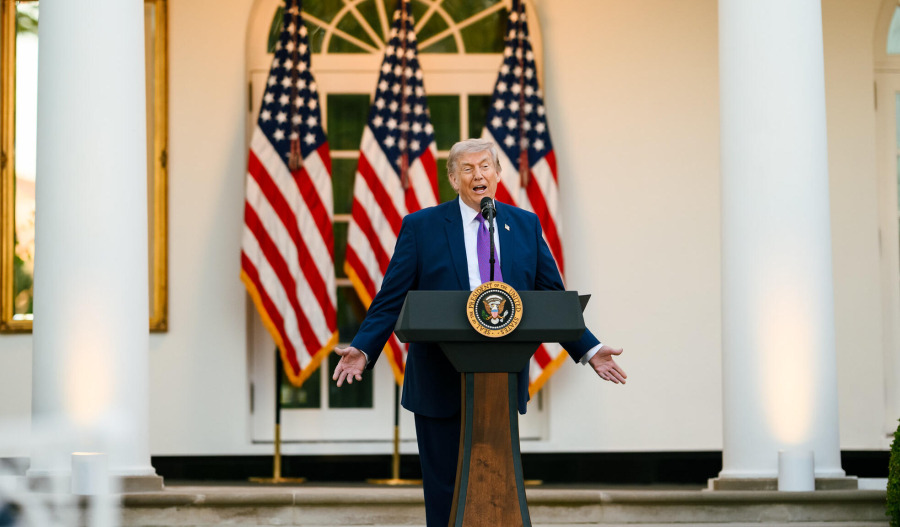
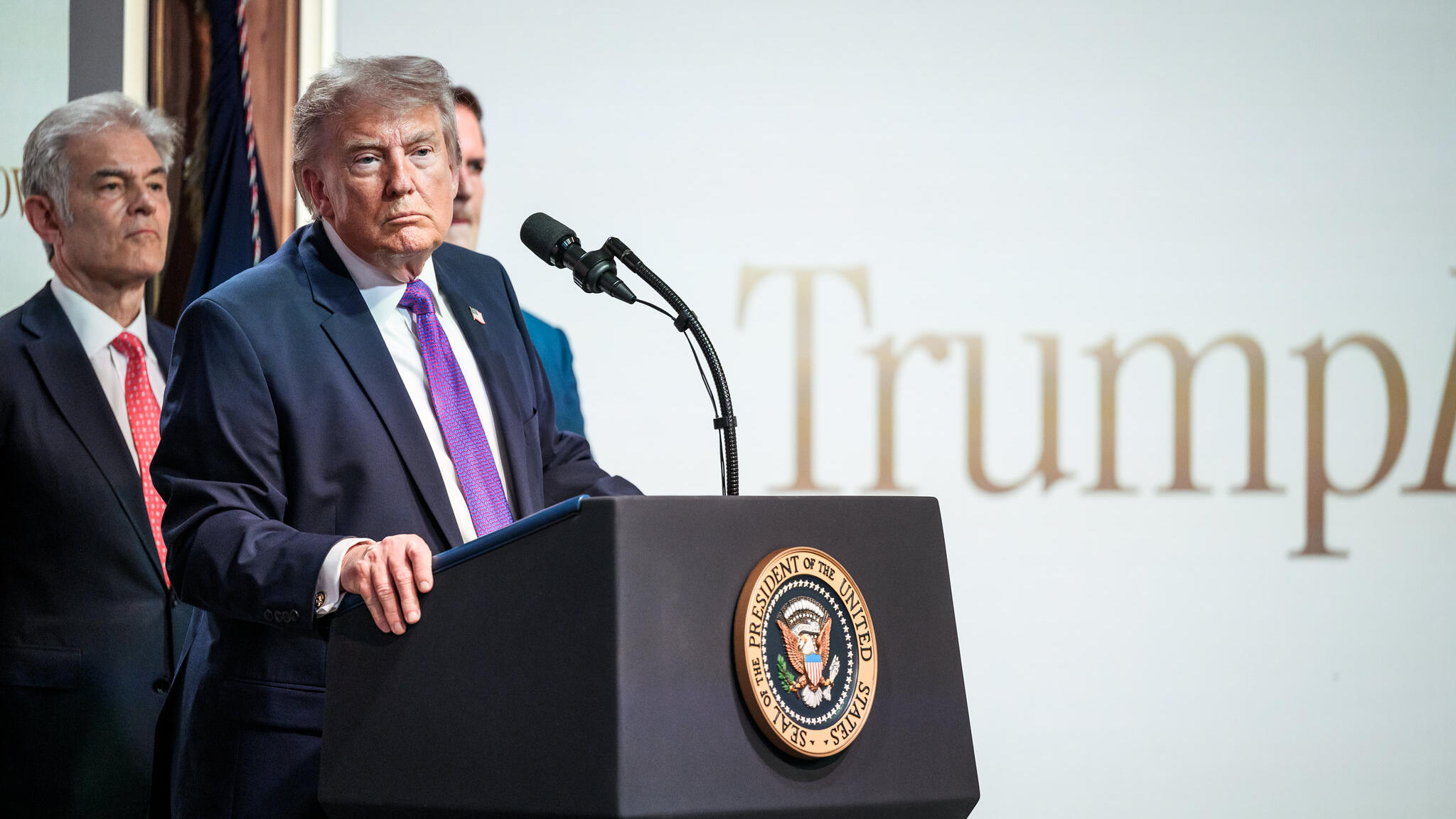
"Believe me, if we don't get the right answers, it goes very quickly. We're all ready to go," Trump said. Asked how long he would wait for a response from Iran, he replied: "It could be a few days, but it could go very quickly."
Trump later reiterated that the United States would not allow Iran to obtain a nuclear weapon.

"We're in the final stages of Iran. We'll see what happens. Either have a deal or we're going to do some things that are a little bit nasty, but hopefully that won't happen," Trump told reporters earlier in the day.
"Ideally I'd like to see few people killed, as opposed to a lot. We can do it either way."
The president said earlier this week that he had delayed renewed military strikes on Iran to allow additional time for diplomacy following requests from Gulf Arab allies.
Despite the conciliatory tone, Iran issued a fresh warning against any renewed military action by the United States.
"If aggression against Iran is repeated, the regional war that was promised will this time extend beyond the region, and our crushing blows will bring you to your knees in places you cannot imagine," the Islamic Revolutionary Guard Corps (IRGC) said in the statement carried by Fars News Agency on Wednesday, according to Kurdistan 24.
Tehran also announced the creation of a new "Persian Gulf Strait Authority" aimed at controlling traffic through the Strait of Hormuz, one of the world’s most strategically important shipping routes for global oil and gas supplies.
The United States and Iran have remained locked in a prolonged standoff in recent weeks, with Tehran blockading the Strait of Hormuz while Washington has imposed blockades on Iranian ports.