The United Arab Emirates (UAE) and Saudi Arabia reported separate drone incidents over the weekend, as United States President Donald Trump warned Iran that the “clock is ticking” after talks aimed at ending the regional conflict stalled.
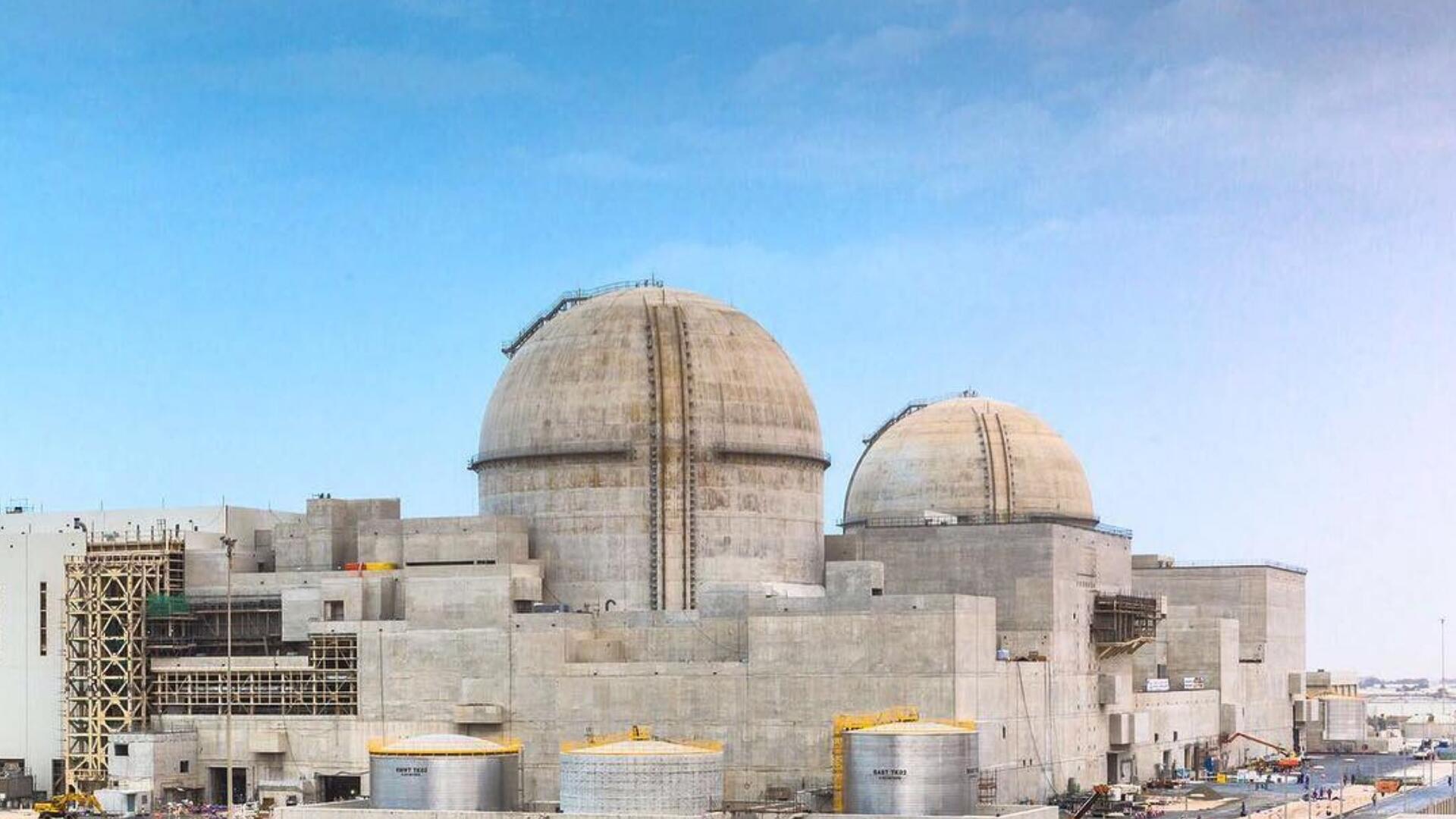
A drone strike caused a fire at the Barakah Nuclear Power Plant in the UAE, officials said in a post on X, while Saudi Arabia reported intercepting three drones that entered its airspace from Iraq.
Emirati officials said they were investigating the source of the attack and stressed the UAE had the right to respond.
Saudi Arabia said the three drones it intercepted had crossed from Iraqi airspace and warned it would take all necessary operational measures to protect its sovereignty and security.
Although hostilities linked to the Iran conflict have eased since a ceasefire took effect in April, drones have continued to be launched from Iraq toward Gulf states, including Saudi Arabia and Kuwait.
According to the Abu Dhabi Media Office, the drone that penetrated UAE defences struck an electrical generator outside the inner perimeter of the Barakah facility.
Authorities said there were no injuries and radiological safety levels were unaffected.

The UAE’s Federal Authority for Nuclear Regulation later confirmed the plant remained safe and that no radioactive material had been released.
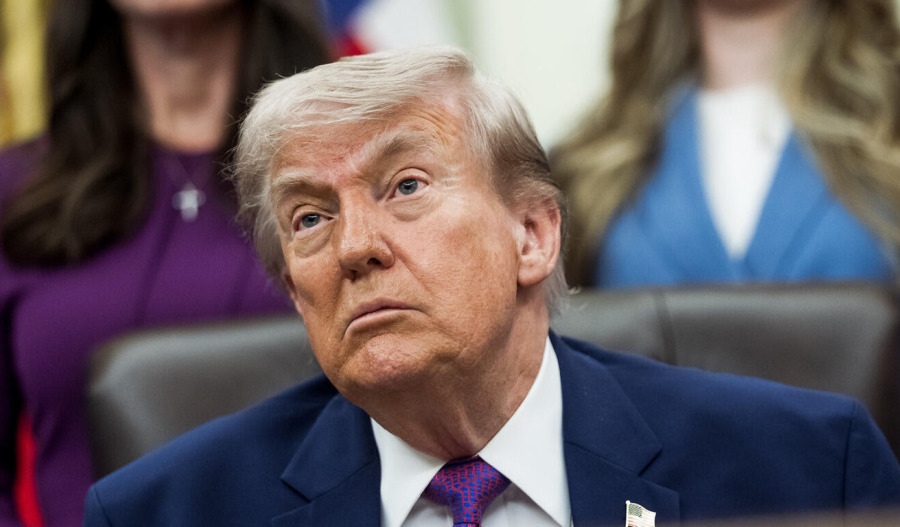
Meanwhile, Trump intensified pressure on Tehran as negotiations over ending the conflict remained deadlocked.
“They better get moving, FAST, or there won't be anything left of them,” Trump wrote on Truth Social. “TIME IS OF THE ESSENCE!”
Al Jazeera reported that Washington had failed to offer meaningful concessions in response to Tehran’s latest proposals, warning that the lack of compromise could result in an “impasse in the negotiations”, according to the semi-official Mehr news agency.
Last week, Trump said the ceasefire was on “massive life support” after rejecting Tehran’s demands as “totally unacceptable”.
According to Iran’s semi-official Tasnim news agency, Tehran’s proposals included an immediate end to the conflict on all fronts, including Israeli attacks against Iran-backed Hezbollah in Lebanon, a halt to the U.S. naval blockade of Iranian ports, guarantees against future attacks, compensation for war damage, and recognition of Iranian sovereignty over the Strait of Hormuz.
Iran’s semi-official Fars news agency reported that Washington responded with five conditions, including demands that Iran operate only one nuclear facility and transfer its stockpile of highly enriched uranium to the United States.