Saudi Arabia has reportedly carried out covert military strikes on Iran in retaliation for attacks on the kingdom, according to Reuters, citing Western and Iranian officials, signalling an escalation in the widening regional conflict.
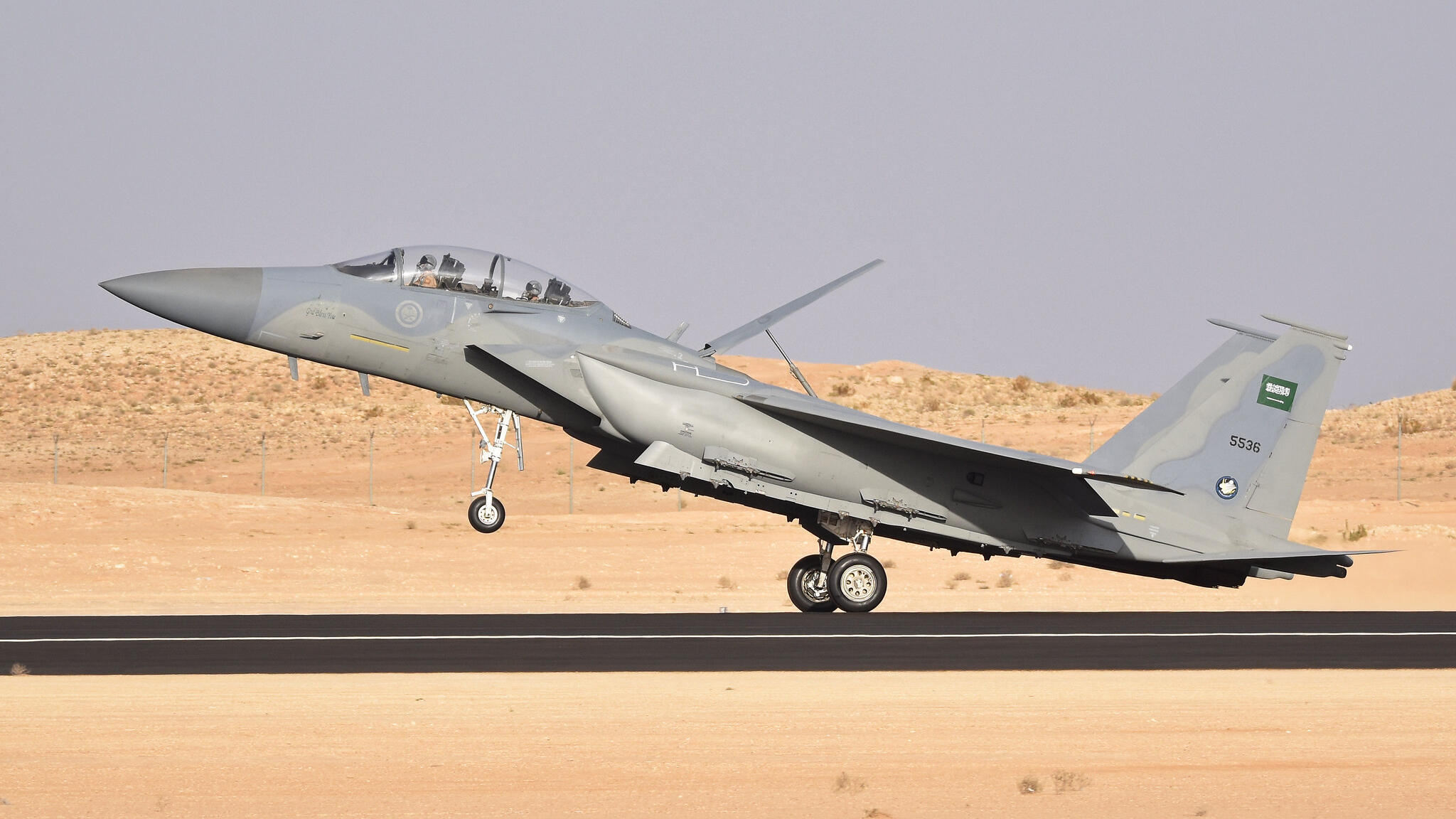
The previously unreported attacks mark the first known instance of Saudi Arabia directly conducting military operations on Iranian territory.
According to two Western officials and two Iranian officials briefed on the matter, the strikes were launched by the Saudi Air Force in late March following Iranian attacks on Saudi targets during the ongoing Middle East war.
Saudi Arabia has historically relied heavily on the United States military for regional protection due to the close defence relationship between the two countries.
However, the prolonged 10-week conflict has exposed vulnerabilities in the Gulf kingdom’s security arrangements as Iranian missile and drone attacks penetrated regional defence systems.
Since the outbreak of hostilities involving the United States and Israel, Iran has reportedly targeted all six Gulf Cooperation Council states with missiles and drones, striking U.S. military bases, airports, civilian infrastructure and oil facilities while also closing the Strait of Hormuz, a key global shipping route.
The developments follow a report by The Wall Street Journal that the United Arab Emirates (UAE) had also conducted military strikes on Iran.
Together, the Saudi and Emirati operations indicate Gulf states have become increasingly willing to respond militarily after sustained Iranian attacks on regional infrastructure and energy assets.
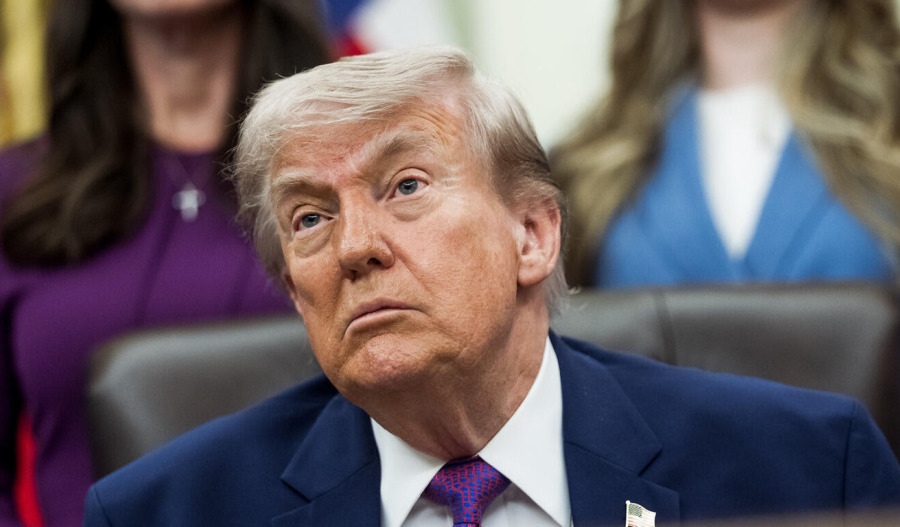
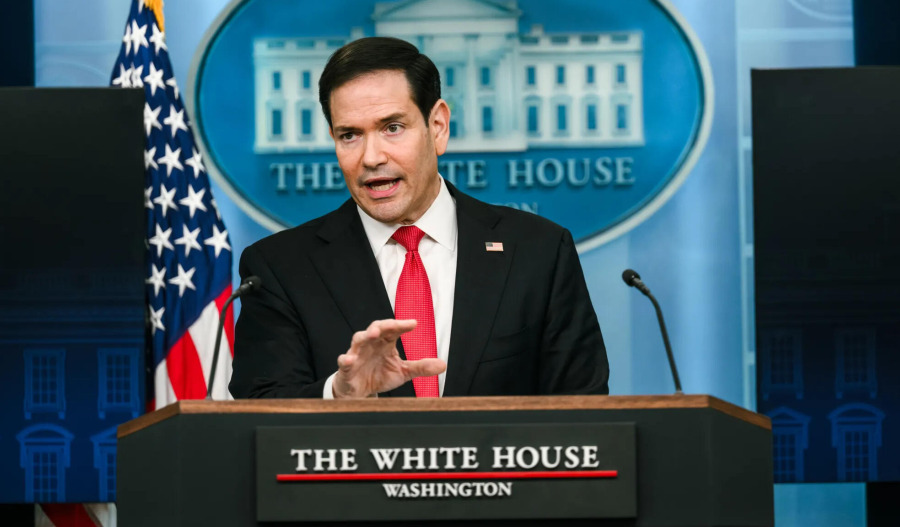
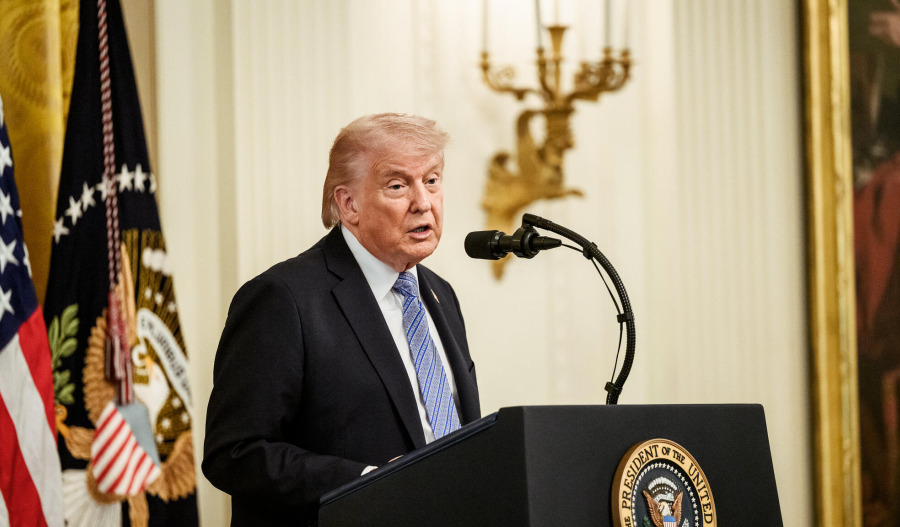
Meanwhile, U.S. Defence Secretary Pete Hegseth said President Donald Trump would not require congressional approval to resume military strikes on Iran despite surpassing the 60-day threshold outlined under the War Powers Resolution of 1973.
Hegseth made the comments during testimony before the Senate Appropriations Committee on Tuesday after the Trump administration exceeded the timeframe requiring congressional authorisation for sustained military action.
Earlier in May, the administration said hostilities with Iran had ceased and therefore did not seek approval from Congress.
However, under questioning from Senator Lisa Murkowski, Hegseth argued the president retained sufficient constitutional authority to relaunch military operations if necessary.

“Should the president make the decision to recommence, we would have all of the authorities necessary to do so,” Hegseth said.
Murkowski later asked whether it would assist the president if Congress formally approved an Authorisation for Use of Military Force.
“Our view is that he has all the authorities he needs under Article 2,” Hegseth said.
The debate unfolded as Hegseth appeared before lawmakers to defend the administration’s proposed US$1.5 trillion federal budget for fiscal year 2027, though tensions with Iran dominated the hearings amid fragile ceasefire negotiations.
Under the War Powers Resolution, the president must seek congressional approval for military operations extending beyond 60 days.
The administration has argued that the legislation is unconstitutional and that Article 2 of the U.S. Constitution grants the president sufficient authority to conduct military operations independently.
Separately, the United Kingdom announced plans to deploy military assets to support a multinational mission aimed at protecting shipping through the Strait of Hormuz.
British Defence Minister John Healey said the mission would include autonomous mine-hunting equipment, Typhoon fighter jets and the warship HMS Dragon.
The announcement was made during a virtual summit involving defence officials from more than 40 participating nations.
"The UK is playing a leading role to secure the Strait of Hormuz, and we are demonstrating that today with new cutting-edge kit to protect our interests and secure the Strait," Healey said in a statement.
“With our allies, this multinational mission will be defensive, independent, and credible.”
The conflict has sharply reduced shipping traffic through the Strait of Hormuz, through which roughly one-fifth of the world’s oil supply passes, contributing to rising global energy prices and supply disruptions.
Britain said its contribution would be backed by £115 million (A$215.3 million) in funding for mine-hunting drones and counter-drone technologies aimed at safeguarding commercial shipping routes.