Oil prices pulled back during Asian deals on Wednesday, partially retracing gains from the previous session as investors monitored renewed tensions between the United States and Iran and searched for clarity around fragile ceasefire negotiations tied to reopening the Strait of Hormuz.
By 2:45 pm AEST (4:45 am GMT), Brent crude futures had fallen US$1.64, or 1.7%, to US$98.16 a barrel, while United States West Texas Intermediate (WTI) crude dropped US$1.92, or 2.0%, to US$91.97 per barrel.
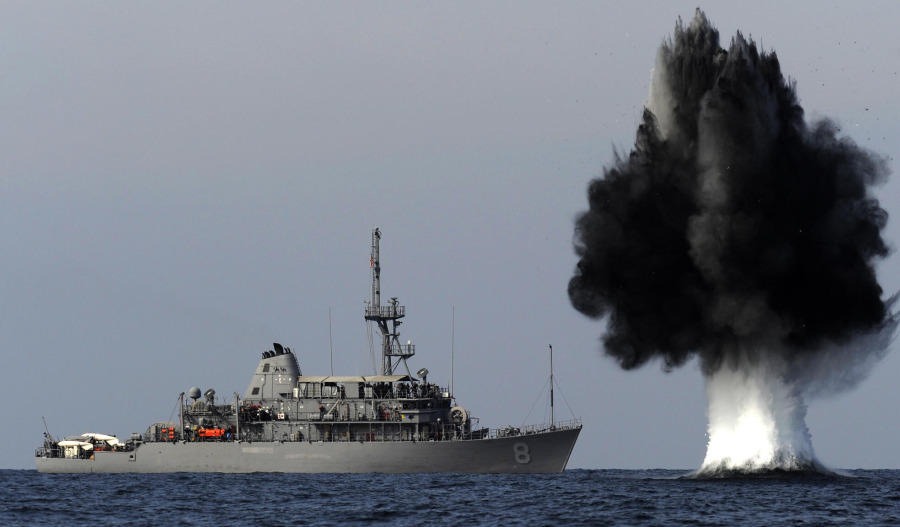
The declines followed a rally on Tuesday, when both benchmarks lifted after the U.S. military carried out new strikes in Iran, undermining hopes that Washington and Tehran were close to reaching an agreement to end the conflict.
Iran accused the U.S. of violating the ceasefire by targeting sites near the strategically important Strait of Hormuz, while Washington maintained the strikes were defensive in nature.
Analysts at ANZ said renewed fighting had complicated negotiations that had previously appeared to be progressing:

"The renewed hostilities came despite the U.S. touting progress toward a peace deal. Secretary of State, Mario Rubio, said any pact would likely take a few days to finalise.
“However, those negotiations have failed to reach consensus on key issues, including the cessation of fighting in Lebanon. That was made more challenging after Israel said on Monday it would intensify strikes against Iranian-backed Hezbollah in Lebanon.”
Analysts also warned there were growing signs of tightness across global oil markets despite some easing in crude inventory drawdowns.
"In the meantime, there are mounting signs of tightness in the global oil market. While the pace of global drawdowns is easing due to short-term builds in distillates and jet fuel, there has been a renewed acceleration in U.S. Strategic Petroleum Reserve releases.
"This suggests the market is transitioning from a crude-led supply shock to a more complex product-driven dislocation."
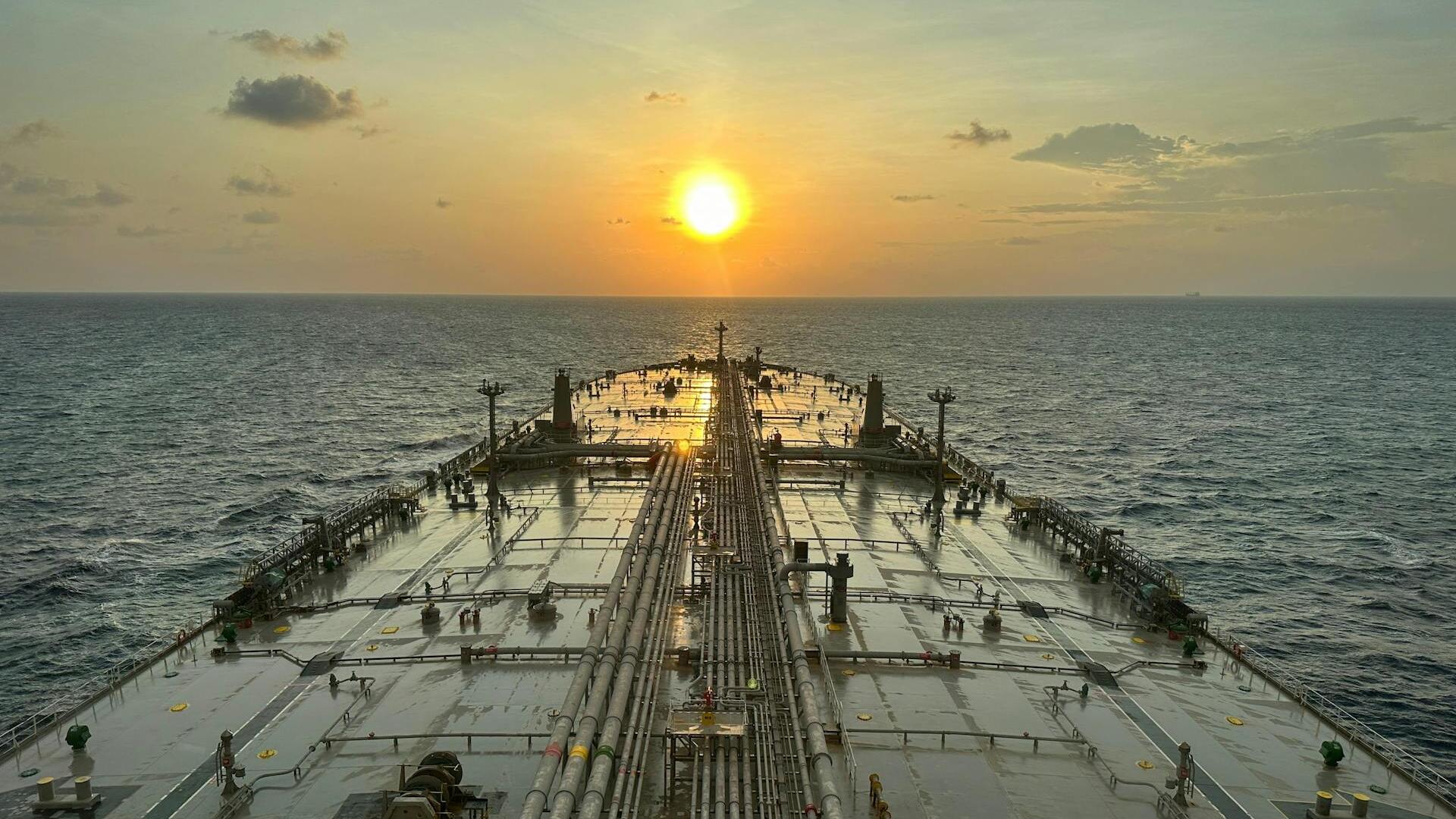
Despite the escalation, reports that some LNG tankers had successfully passed through the Strait in recent days helped support expectations that the vital waterway could partially reopen soon, potentially easing supply concerns in global energy markets.