Oil prices pushed higher during Asian trade on Tuesday after the United States military carried out strikes in southern Iran, heightening concerns over ongoing disruptions to global energy supplies as negotiations to end the conflict remained unresolved.
By 2:40 pm AEST (4:40 am GMT), Brent crude futures had climbed $2.07, or 2.2%, to US$98.21 a barrel.
United States West Texas Intermediate crude traded at $91.85 a barrel, slightly above Monday’s last traded level but still down $4.75, or 4.9%, from Friday’s close. There was no official settlement on Monday because of the U.S. Memorial Day holiday.
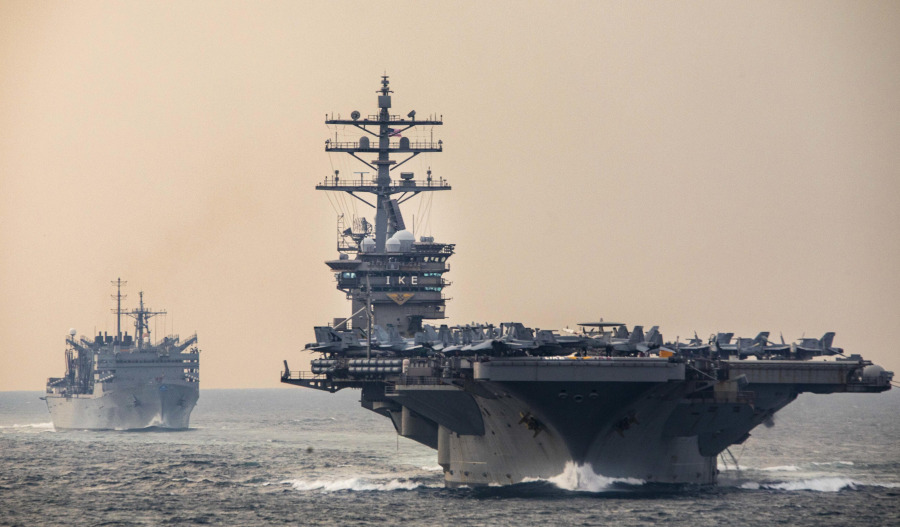
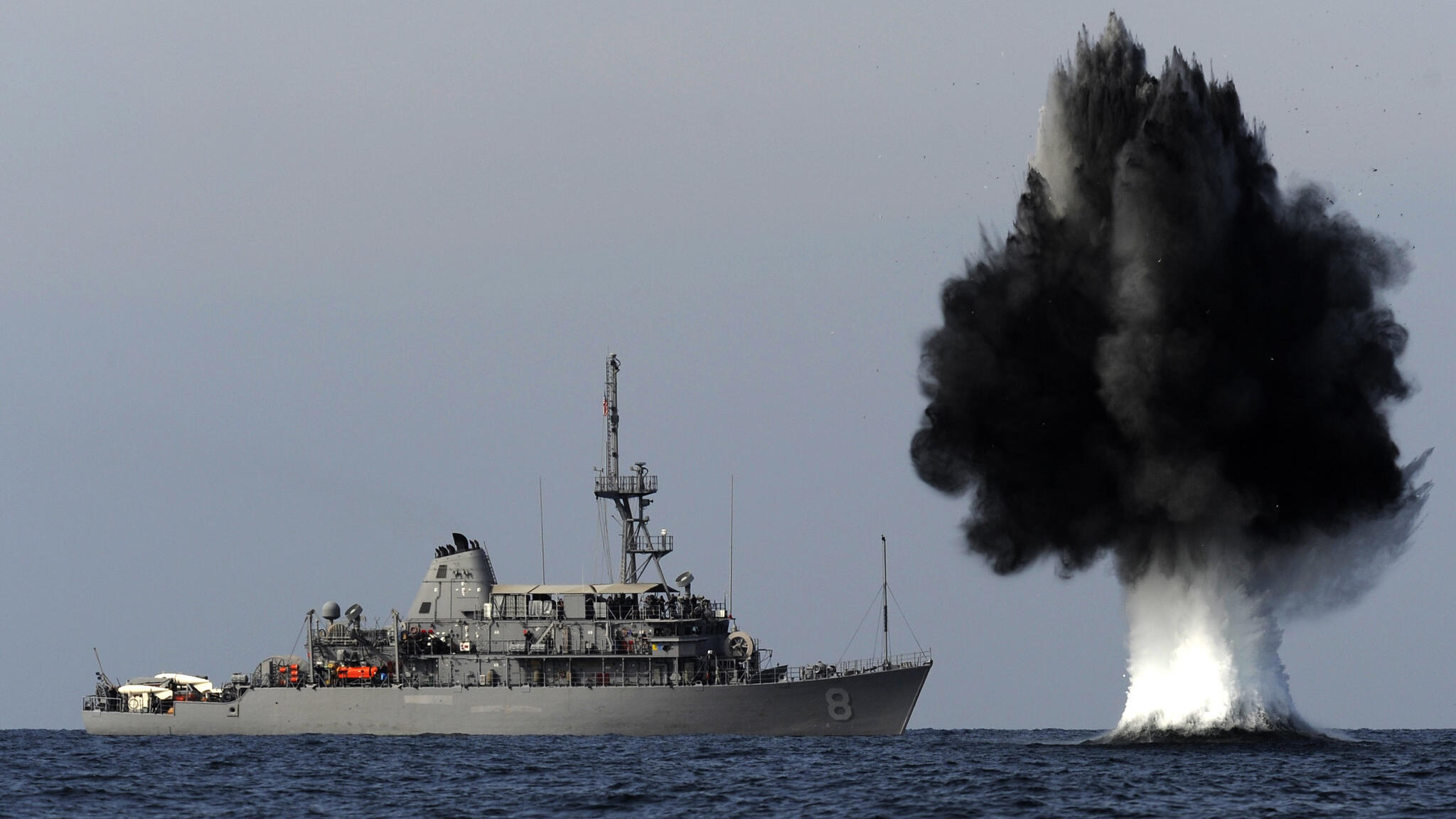
U.S. Central Command said it had launched strikes against targets in southern Iran, including missile launch sites and boats allegedly attempting to lay naval mines near the Strait of Hormuz.
The military said the operations were conducted “to protect our troops from threats posed by Iranian forces”.
Iranian media reported explosions in Bandar Abbas and surrounding coastal areas near the Strait of Hormuz on Monday, further escalating tensions in one of the world’s most important energy transit corridors.
The conflict has severely disrupted shipping activity through the Gulf region. Tehran has effectively halted most non-Iranian shipping entering or leaving the Gulf since the conflict began, choking off roughly one-fifth of global oil and gas flows and contributing to a sharp rise in energy prices.
Oil prices have surged more than 50% since the outbreak of the conflict, although recent diplomatic developments have offered some hope for de-escalation.
Iran’s top negotiator and foreign minister were in Doha on Monday for talks with Qatar’s prime minister regarding a potential agreement with Washington to end the three-month conflict.

Both Tehran and Washington have said progress has been made on a proposed memorandum of understanding that would halt hostilities and provide negotiators with 60 days to finalise a broader agreement.
However, analysts warned that significant obstacles remain unresolved.
ANZ analysts said in a note to clients that major sticking points continued to threaten negotiations:
“Key red lines for both parties have yet to be addressed. The fate of Iran’s nuclear program is still to be addressed. Iran’s Tasnim news agency said the draft agreement could still collapse because the U.S. was obstructing some key clauses,” the analysts said.
ANZ also noted that oil markets were beginning to adjust to the prolonged disruption rather than anticipating a rapid resolution:
“In the meantime, there have been signs of adjustment rather than resolution in the global oil market over the past week. Physical flows through the Strait of Hormuz have edged higher and alternative export routes via Saudi Arabia and Oman have improved, but overall Persian Gulf supply has deteriorated, with sharp declines in Iraqi output highlighting the depth of ongoing disruption.
“At the same time, inventory dynamics have shifted, with the pace of global drawdowns easing due to short-term builds in distillates and jet fuel and a renewed acceleration in the US’ SPR releases, while floating storage has stabilised.
"Together, these developments point to a market transitioning from a crude-led supply shock to a more complex product-driven dislocation.”
Despite ongoing tensions, some shipping traffic has resumed through the Strait of Hormuz.
According to Reuters, ship-tracking data showed three liquefied natural gas tankers recently passed through the waterway carrying cargoes to Pakistan, China and India. A supertanker transporting Iraqi crude to China also successfully transited the strait after reportedly being stranded for nearly three months.