Oil prices tumbled more than 5% during Monday’s Asian trading session, falling to two-week lows as investors grew increasingly optimistic that the United States and Iran were edging closer to a peace agreement despite ongoing disputes over key issues, including restrictions around the Strait of Hormuz.
By 2:45 pm AEST (4:45 am GMT), Brent crude futures had fallen $5.68, or 5.5%, to US$97.86 per barrel, while U.S. West Texas Intermediate crude dropped $5.60, or 5.8%, to $91.01 per barrel.
Both benchmark contracts touched their lowest levels since 7 May earlier in the trading session.
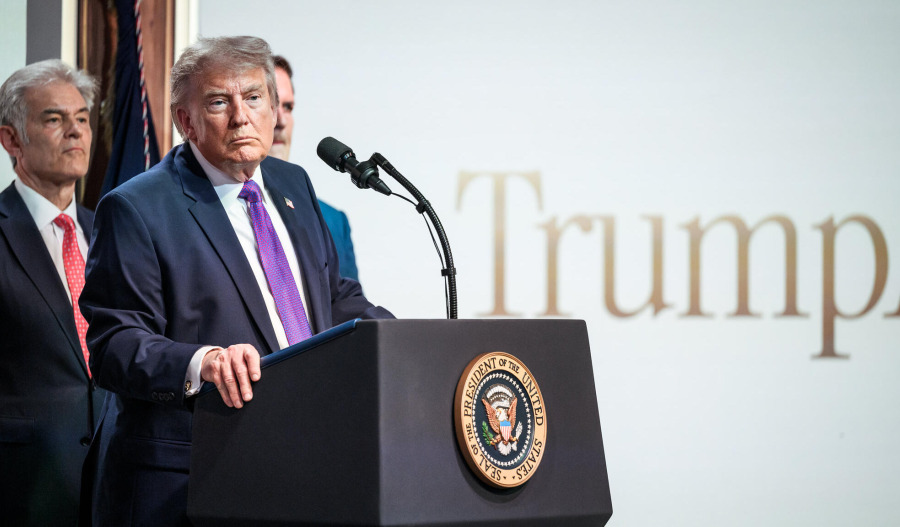
The declines followed comments from U.S. President Donald Trump over the weekend, indicating that Washington and Tehran had “largely negotiated” an understanding on a potential peace agreement that could reopen the Strait of Hormuz.
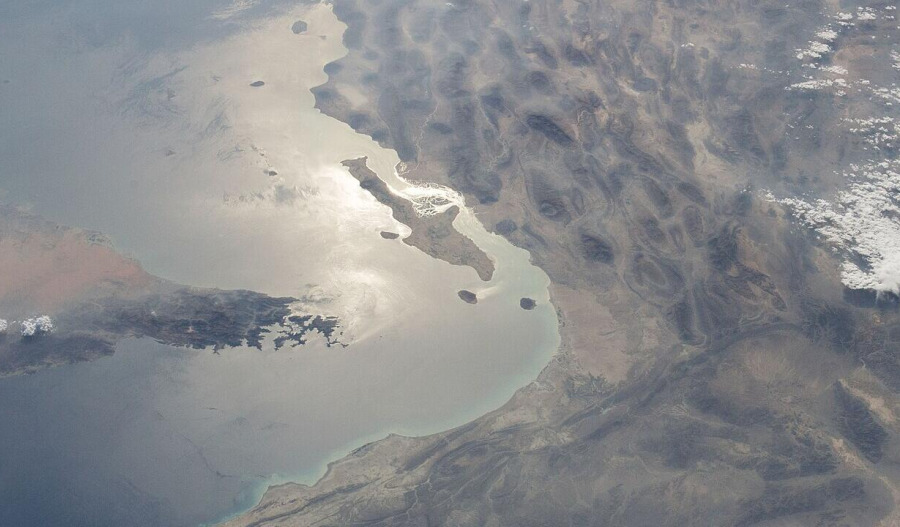
Before the conflict escalated, the Strait of Hormuz carried roughly one-fifth of global oil and liquefied natural gas shipments, making it one of the world’s most strategically important energy transit routes.
Despite the progress in negotiations, major differences remain unresolved, with Trump cautioning on Sunday that negotiators should not rush into an agreement.
“We've been at this stage before, only for talks to break down. Therefore, the market will likely be more cautious about overreacting,” said Warren Patterson, head of commodities strategy at ING, in The Commodities Feed.
“While talks continue, vessels are still trickling through the Strait of Hormuz. A crude tanker and an LNG carrier recently navigated the strait.

"Iran, meanwhile, claims 33 vessels moved through the strait in a 24-hour window over the weekend after obtaining approval. This includes all commercial vessels, not just tankers.”
Patterson added that speculative positioning data pointed to improving sentiment surrounding prospects for an eventual deal.
“The latest positioning data shows that speculators reduced their net long in ICE Brent by 10,517 lots over the last reporting week, to 335,288 lots as of last Tuesday.
"The move was dominated by fresh shorts entering the market. This suggests growing optimism, or at least hope, for an imminent deal between the U.S. and Iran.”
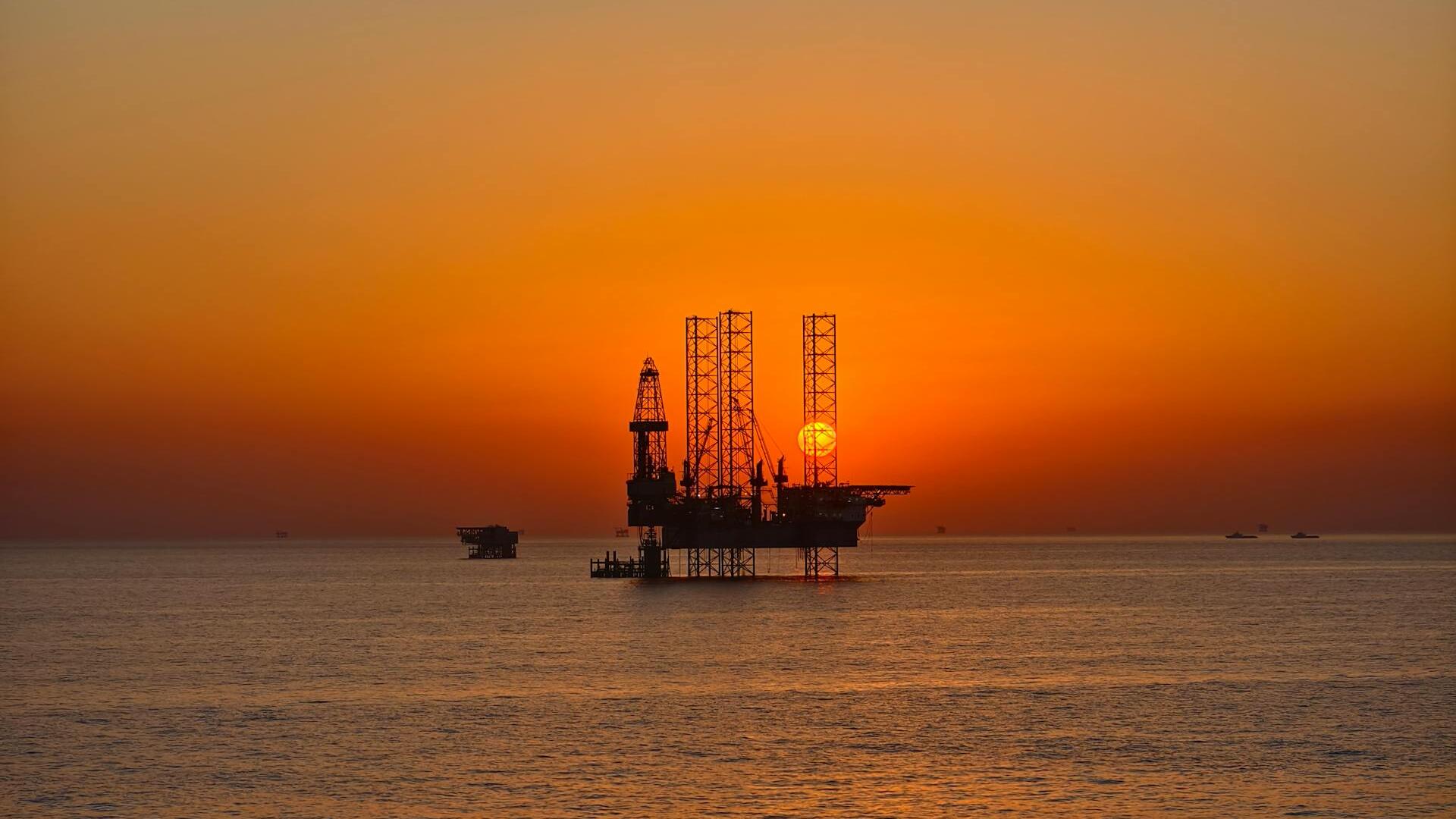
Meanwhile, higher domestic energy prices in the United States have prompted energy companies to continue expanding drilling activity.
According to Baker Hughes, U.S. energy firms added oil and natural gas rigs for a fifth consecutive week, marking the first such streak since February 2025 and lifting the total rig count to its highest level since July 2025.
The total rig count rose by seven to 558 in the week ending 22 May.
Despite the increase, Baker Hughes noted the overall rig count remained down by eight rigs, or 1%, compared with the same period a year earlier.