The United States and Iran have reportedly reached an agreement on a memorandum of understanding to extend their ceasefire for 60 days, although U.S. President Donald Trump has yet to approve the proposal, according to four sources familiar with the matter cited by Reuters.
Under the proposed agreement, the truce would be extended for another 60 days while negotiations continue over key issues, including Iran’s nuclear program.
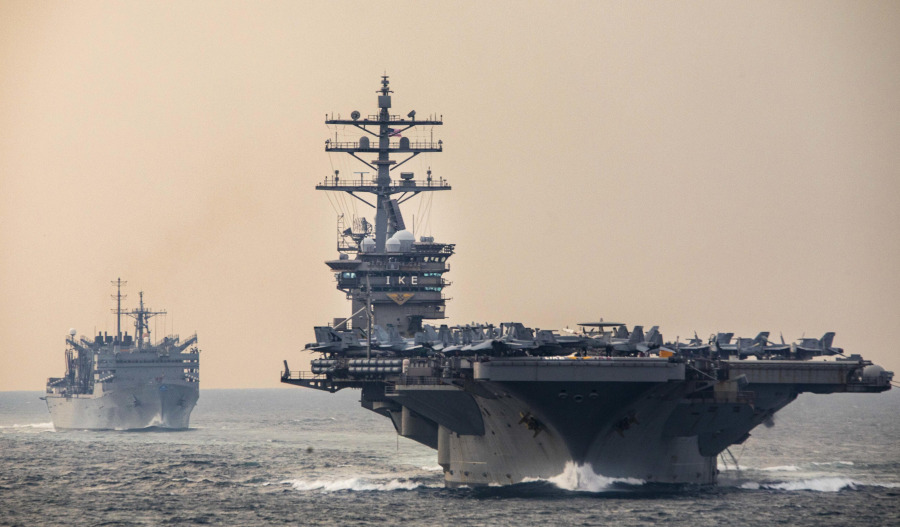
The deal would also allow unrestricted shipping through the Strait of Hormuz and require the United States to lift its blockade of Iranian ports and ease some sanctions on Iranian oil exports.
If approved by leaders in Washington and Tehran, the agreement would mark the most significant step toward peace since the conflict began on 28 February.
News of the draft deal emerged after reports of attacks between the two countries, the latest flare-up since the ceasefire came into effect in early April.
The Trump administration has repeatedly signalled that an agreement to end the conflict was close, although Iranian officials have frequently disputed or downplayed those claims.
The reports helped push oil prices lower on optimism that the Strait of Hormuz could remain open.
The strategic waterway handles roughly one-fifth of global oil and liquefied natural gas shipments.
Earlier, The Hill reported that U.S. Central Command said American forces had shot down four Iranian attack drones and struck a ground control station in the Iranian port city of Bandar Abbas.

Kuwaiti forces also reportedly intercepted a ballistic missile fired toward the country, which hosts a major U.S. military base.
Kuwait condemned the missile launch and called on Iran to immediately halt what it described as a serious escalation.
Pakistan, which has acted as a mediator, said Foreign Minister Ishaq Dar would meet U.S. Secretary of State Marco Rubio in Washington on Friday, although the purpose and significance of the meeting remained unclear.
Trump has repeatedly claimed since mid-March that an end to the war is near, despite limited signs of public progress between the two sides.
Iran has called for sanctions relief, the unfreezing of foreign assets and the withdrawal of U.S. forces from the region. Washington has continued to demand that Tehran dismantle its nuclear program, which Iran insists is intended for peaceful purposes.
Tehran has also insisted that any broader peace agreement must include an end to Israeli military operations in Lebanon.
However, the conflict there continued, with Israel saying it had targeted infrastructure linked to Iran-backed Hezbollah militants in the southern Lebanese city of Tyre and carried out a strike in Beirut.
Separately, the United States warned Oman against supporting any proposal with Iran to impose tolls in the Strait of Hormuz.
Treasury Secretary Scott Bessent said Oman’s ambassador had assured him there were no plans to introduce such tolls.
“Oman, in particular, should know that the U.S. Treasury will aggressively target any actors involved - directly or indirectly - in facilitating tolls for the Strait and any willing partners will be penalised,” Bessent wrote in a post on X.