Oil prices fell sharply during Monday's Asian session after United States President Donald Trump postponed a planned attack on Iran, raising hopes that a diplomatic agreement could curb Tehran's nuclear ambitions and reopen the Strait of Hormuz.
By 2:40 pm AEST (4:40 am GMT), Brent crude futures had fallen $4.54, or 5.2%, to US$83.39 a barrel, while U.S. West Texas Intermediate crude dropped $5.01, or 5.9%, to $79.66 a barrel.
Despite Monday's decline, both benchmarks recorded strong gains last month as renewed fighting between the United States and Iran, along with attacks on several tankers near Oman, heightened concerns over global energy supplies.
Brent rose 20.5% during the month, while WTI climbed 21.8%.

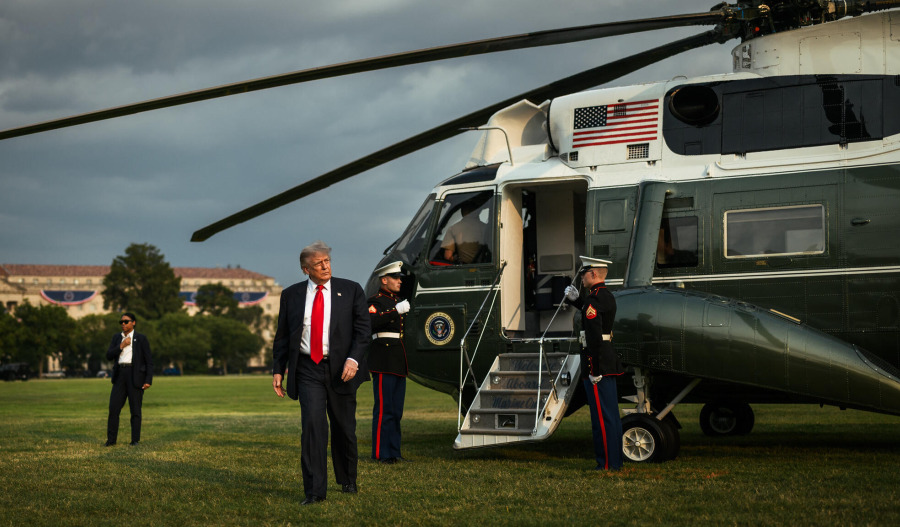
Over the weekend, Trump said on Truth Social that Iran and other Middle Eastern countries had requested more time to finalise an agreement that would result in "the Immediate, Complete and Total" reopening of the Strait of Hormuz and "an end to Iran's nuclear threat".
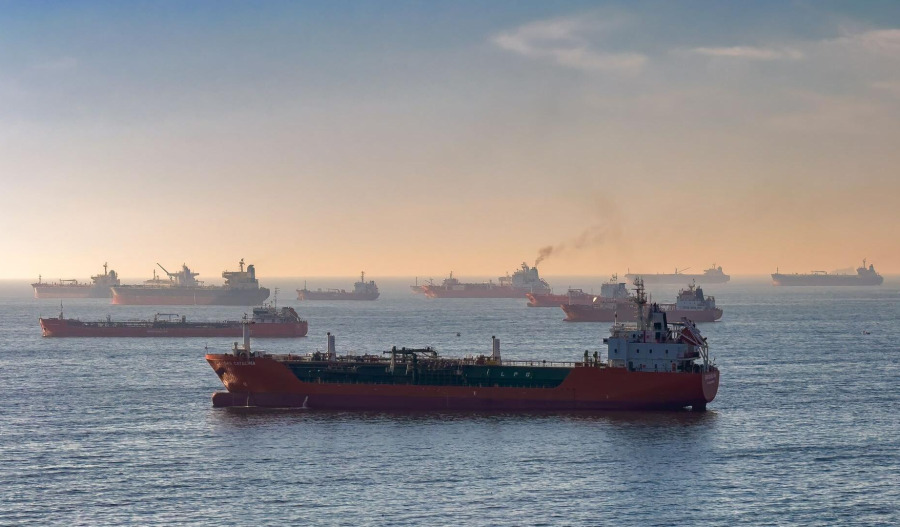
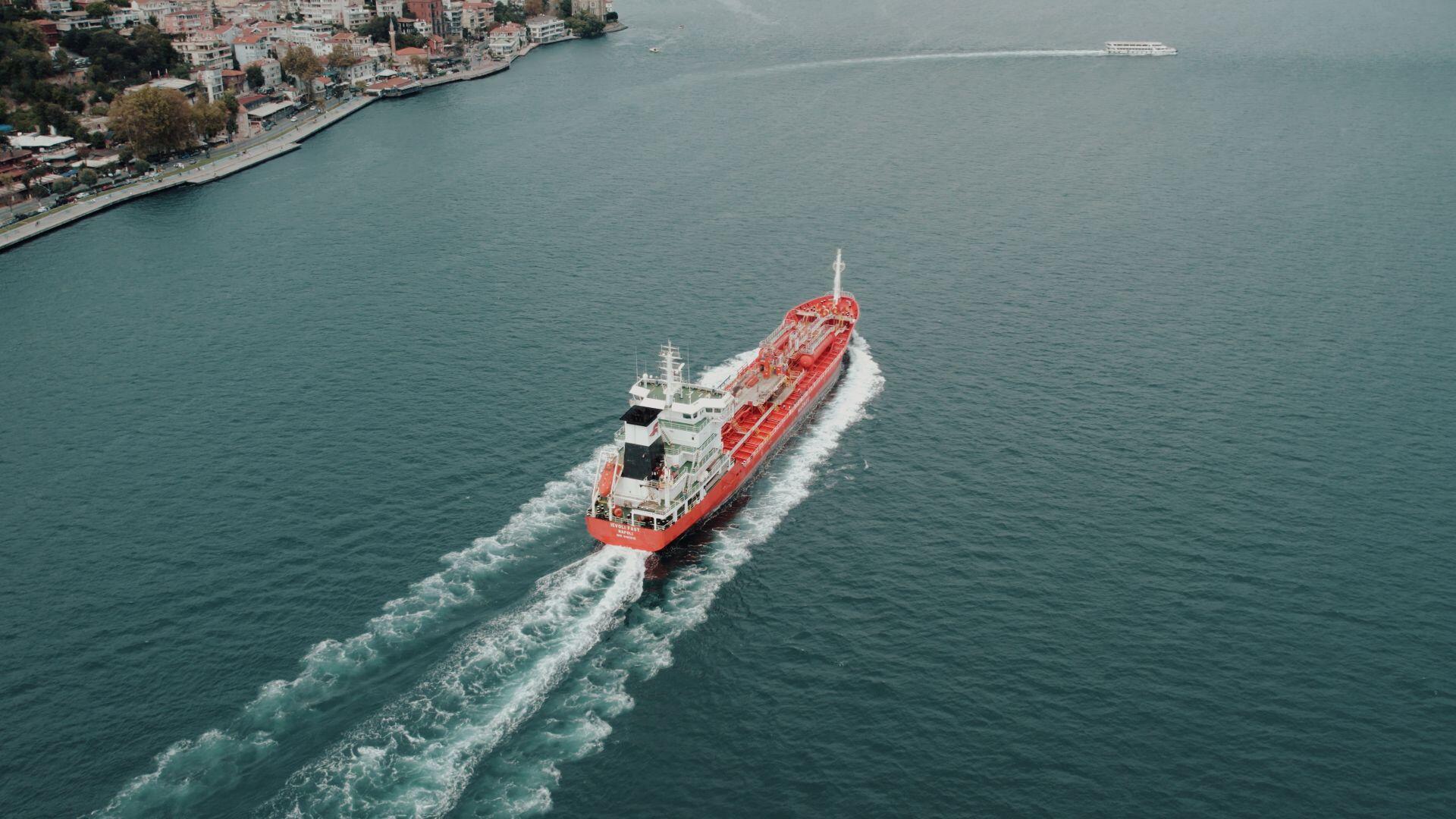
Meanwhile, the United Kingdom Maritime Trade Operations (UKMTO) reported three additional tanker attacks since Saturday, amid ongoing security risks in the region.
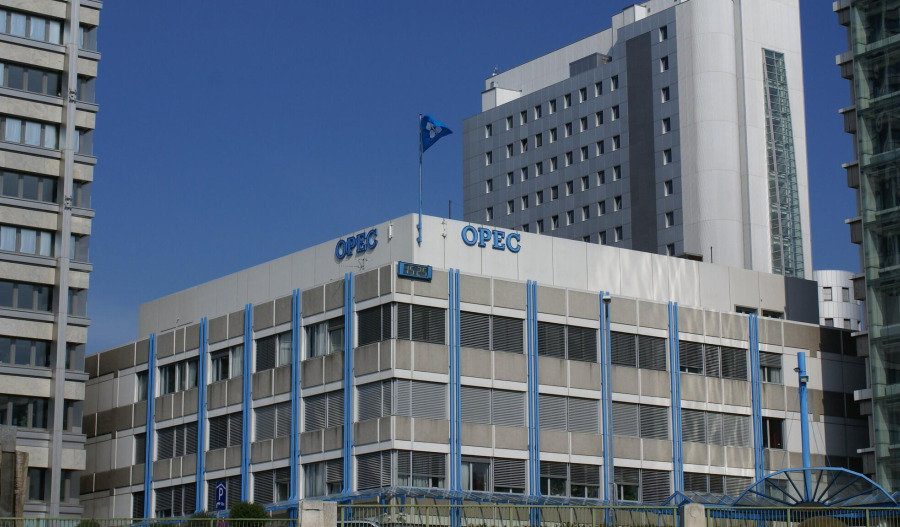
On Sunday, The Organization of the Petroleum Exporting Countries and allies (OPEC+) approved an oil production quota increase of around 188,000 barrels per day from September, completing the phased rollback of a layer of voluntary output cuts introduced in 2023.
However, export disruptions affecting the Gulf, Russia and Kazakhstan due to the wars involving Iran and Ukraine have meant that much of this year's successive OPEC+ production increases have remained largely on paper, with limited impact on actual global supply.