Oil prices fell during Friday's Asian deals, but remained on track for their strongest monthly gain in years, as crude flows through key Middle East shipping routes improved despite continued tensions between the United States and Iran.
By 4:05 pm AEST (6:05 am GMT) Brent futures for October delivery were down $1.09, or 2.2%, to $84.98 a barrel, while U.S. West Texas Intermediate (WTI) crude slipped $2.00, or 2.4%, to $81.59 a barrel.
Despite Friday's losses, both benchmarks were on course to post monthly gains of around 20%.
ING commodities strategists said in The Commodities Feed that shipping activity through the Strait of Hormuz was beginning to recover.
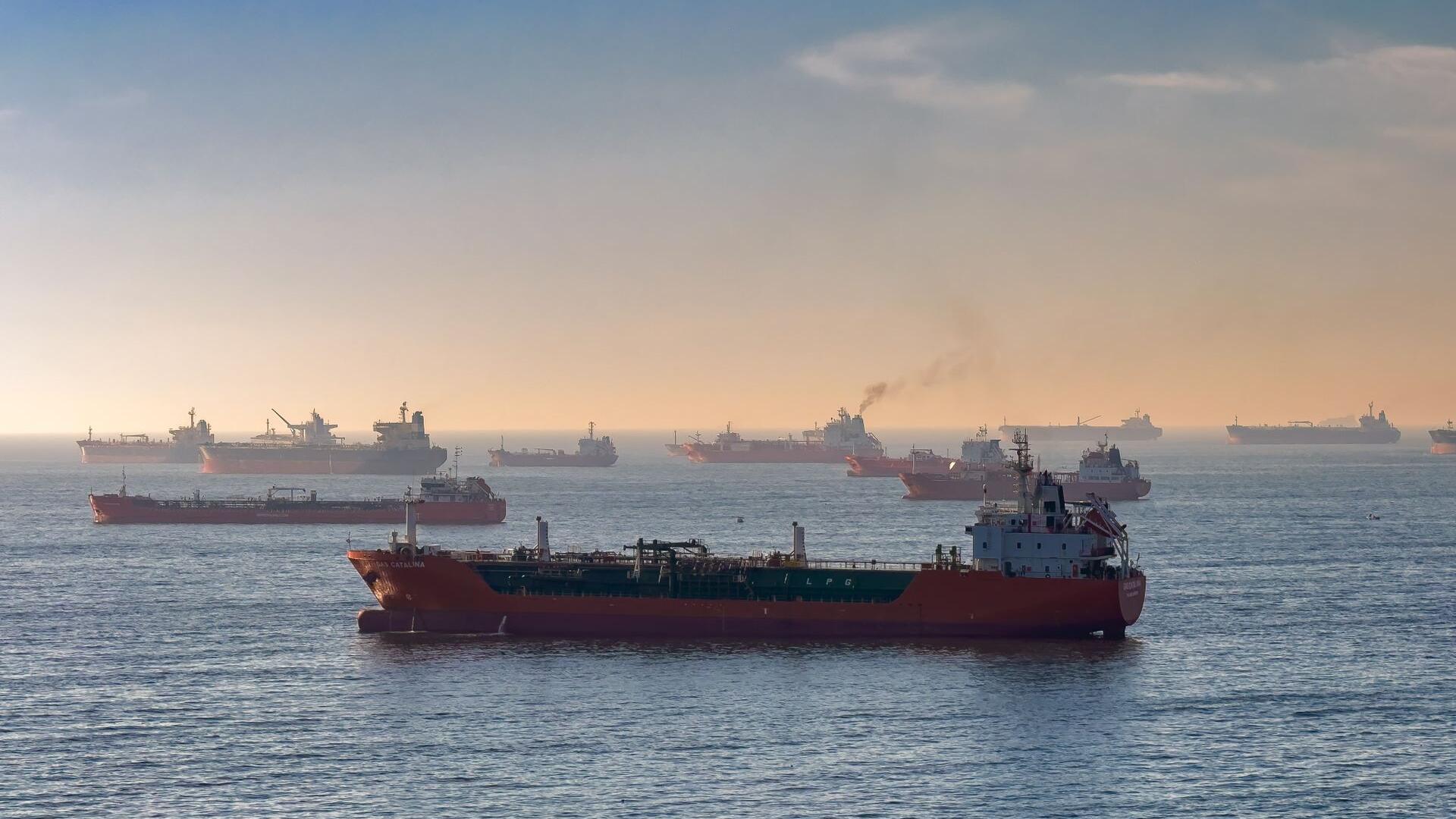
"There are signs of an increase in oil flows through the Strait of Hormuz. Ship tracking data shows that tanker crossings have increased slightly.
"Though still in single digits, there are also reports that the shuttling of oil across the strait has resumed. This will not be detected by tracking data, given that transponders will be turned off.
"However, the U.S. energy secretary has said that around 13m b/d of oil is coming out of the Persian Gulf, with roughly half coming through the strait. The other half is using pipelines to bypass the strait.
“That would mean flows from the region are around 65% of pre-war levels.

"The U.S. also appears to have ruled out further releases from its strategic petroleum reserves (SPR), once the ongoing release of 172m barrels is complete.
"The SPR currently stands at a little under 308m barrels, and there’s growing concern over how much further this reserve could be tapped, given operational minimum levels.
"While the U.S. Department of Energy has said the operational minimum is 70m barrels, others in the industry estimate this level to be higher, potentially in the region of 180–200m barrels.
“This suggests that the buffer the SPR offers is significantly less than what the headline number states.”
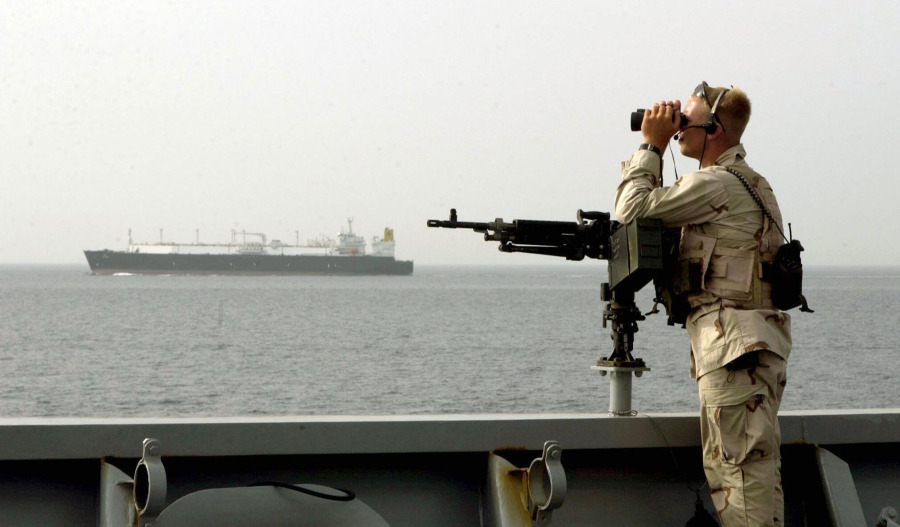
The Strait of Hormuz, which normally carries around one-fifth of global crude oil and liquefied natural gas shipments, has remained a focal point for energy markets after being largely blockaded following the launch of the U.S.-Israel war against Iran on 28 February.
Separately, Reuters reported that Saudi Arabia is seeking to establish a multinational maritime defence coalition to strengthen security across the Bab el-Mandeb Strait, the Red Sea and the Gulf of Aden, all critical energy shipping routes.
According to Reuters, Saudi Arabia's Defence Ministry said 14 countries, including Djibouti, Egypt, Pakistan, Sudan and Turkey, have backed the proposed coalition.
The move follows last week's announcement by Iran-backed Houthi militants in Yemen of a naval blockade against Saudi Arabia, threatening shipping through the Red Sea, an important alternative route for oil exports bypassing the Strait of Hormuz.