The conflict between the United States and Iran escalated on Wednesday after President Donald Trump said the U.S. would "be hitting them very hard" in response to new attacks targeting American forces in the Middle East.
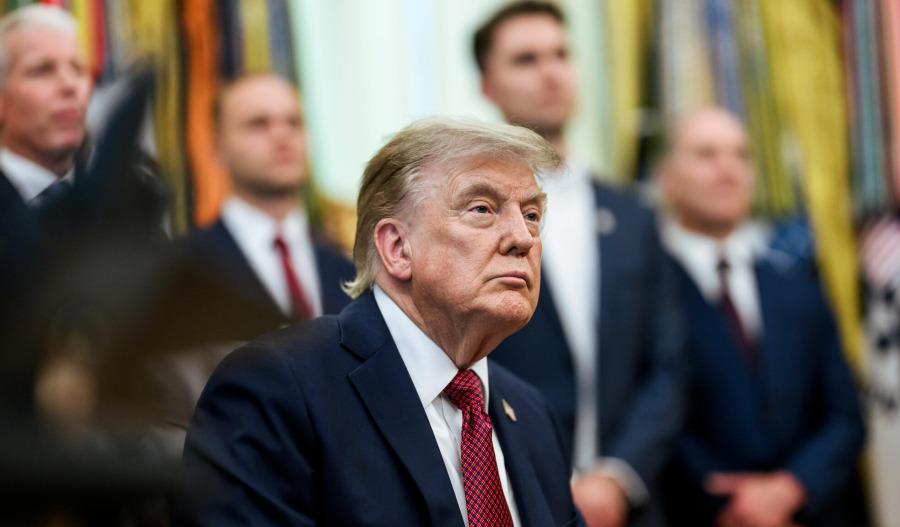
Speaking to reporters in the Oval Office, Trump said: "We're going to be hitting them very hard because it's our turn to hit them. They know it's coming, they're asking us not to do it."
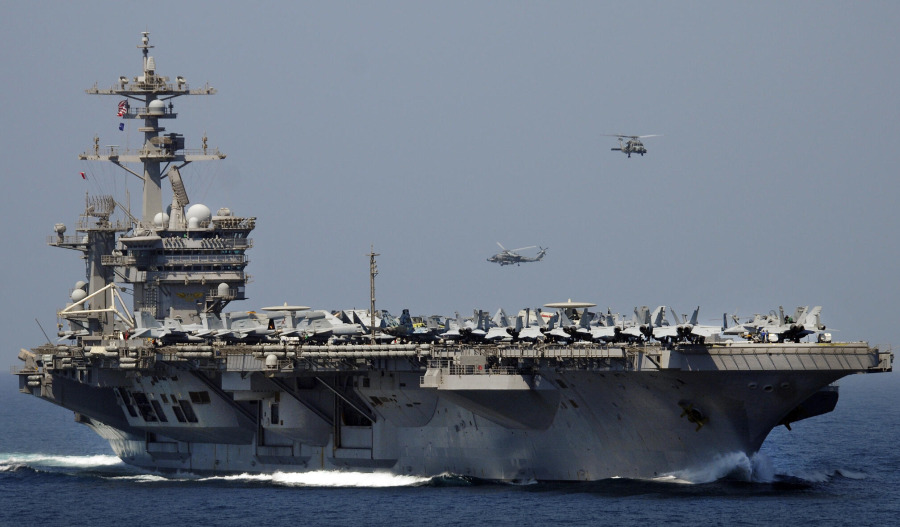
U.S. Central Command (CENTCOM) said it concluded Wednesday night's strikes on Iran at about 10 pm ET, targeting dozens of Islamic Revolutionary Guard Corps (IRGC) sites, including military command centres, missile and drone facilities, coastal defence positions and maritime capabilities.
The comments followed a series of developments across the region, including joint U.S.-Saudi airstrikes on Iranian-backed forces in Iraq, fresh sanctions targeting entities accused of exploiting shipping through the Strait of Hormuz, and reports of drone attacks on vessels at an Egyptian port.
At least 20 people were killed in joint U.S.-Saudi strikes on the Popular Mobilization Forces in Iraq, according to the Iranian-backed umbrella paramilitary group.
U.S. Central Command (CENTCOM) said the strikes were carried out late Tuesday against Iranian proxy forces, marking the first confirmed attacks by a Gulf state during the conflict.
Meanwhile, the U.S. Department of the Treasury's Office of Foreign Assets Control announced sanctions against the Persian Gulf Marine Insurance Company and Hormuz Safe Marine Services Authority, alleging the IRGC-backed entities were running an "extortion scheme that forces commercial vessels to purchase mandatory maritime 'insurance' to transit the Strait."

According to the department, the entities manufacture risk, including the threat of vessel seizures, and then charge commercial vessels for coverage against dangers created by the regime itself, generating revenue that sustains IRGC operations and Iran's broader campaign of regional destabilisation.
“With its economy in freefall and inflation in the triple digits, the regime is desperate for cash,” said Secretary of the Treasury Scott Bessent. “The United States will not allow Iran to hold global commerce hostage or use international shipping to finance the IRGC’s terrorism, aggression, and repression.”
The State Department also designated eight companies operating vessels it alleged had transported illicit Iranian crude oil and petrochemical products to China and the United Arab Emirates as part of Iran's "shadow fleet."
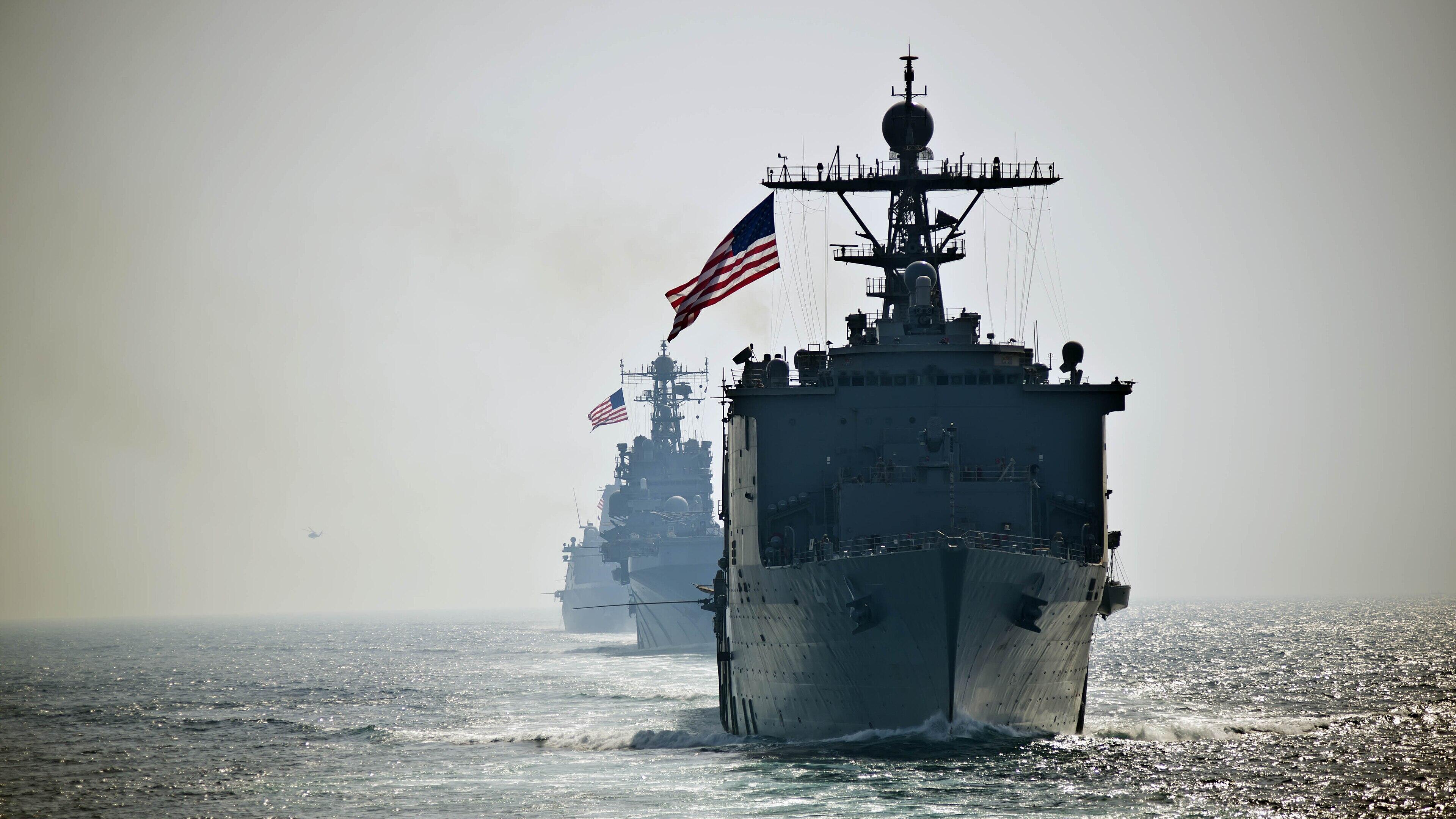
CENTCOM said it has redirected 20 commercial ships accused of attempting to evade the blockade on Iranian ports, up from 12 reported on Saturday.
U.S. forces have also boarded two vessels and disabled another two. President Trump ordered the blockade to resume about two weeks ago.
Commercial traffic through the Strait of Hormuz remains extremely limited, according CBS News, citing analytics firm Kpler, amid Iranian threats to strike ships that fail to comply with its rules.
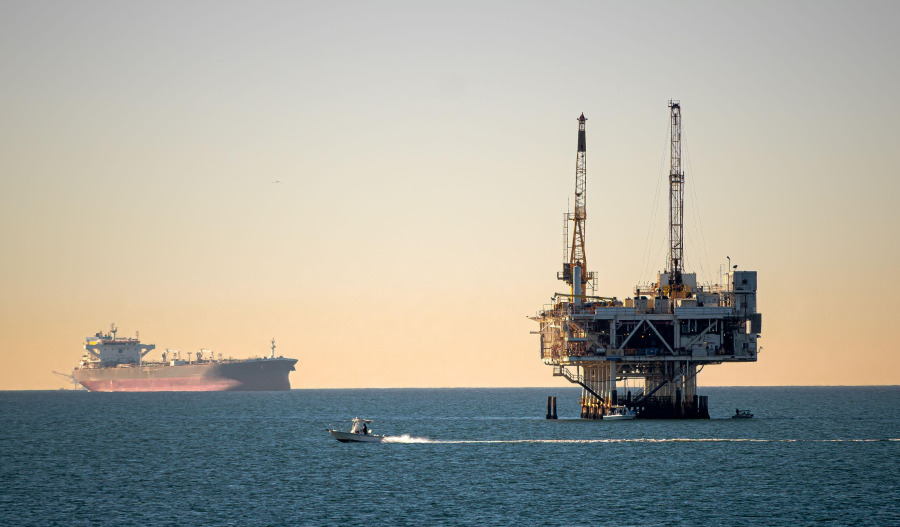
Separately, drone strikes ignited fires on two natural gas vessels at Egypt's Damietta port, according to British maritime security firm Ambrey. The attacks targeted a U.S.-owned floating storage facility and a Greek-owned tanker.
Egypt's Petroleum Ministry said no injuries were reported but did not identify the cause of the fires. Responsibility for the strikes was not immediately known.