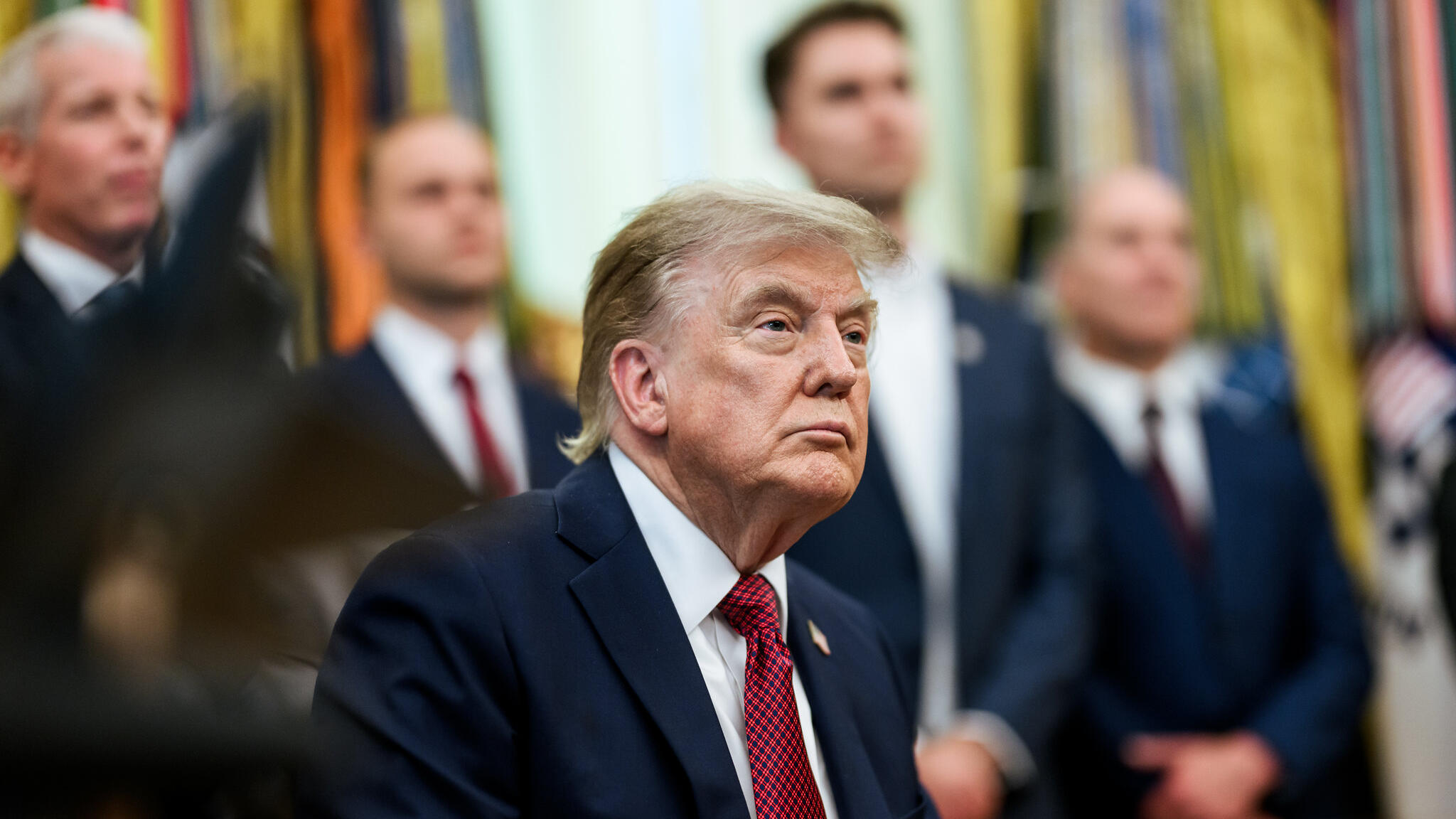
United States President Donald Trump said Washington was holding "good talks" with Iran and expressed optimism that diplomacy could end the conflict, while warning that military strikes would resume if negotiations failed.
Despite Trump's upbeat assessment, regional tensions remained elevated as Saudi Arabia, Jordan and Iraq reported drone attacks on Monday, suggesting Tehran was continuing to test the limits of the temporary pause in hostilities.
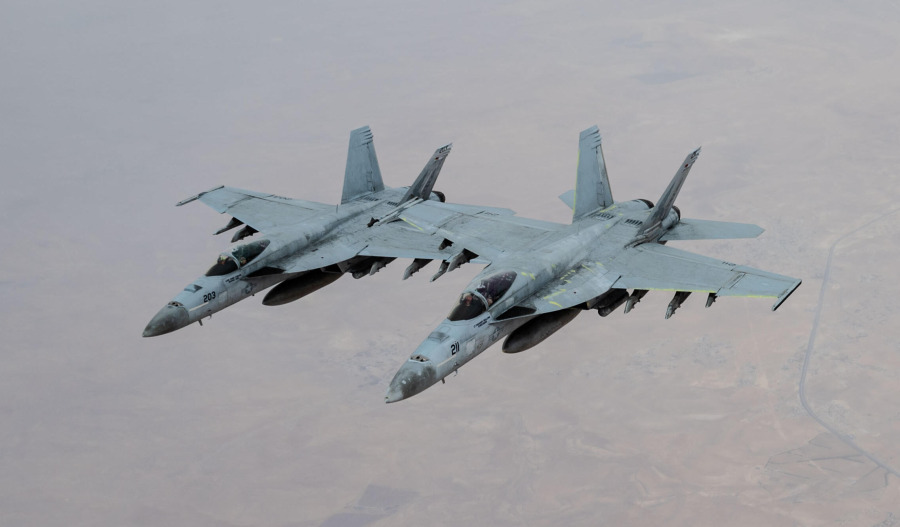
Washington suspended its two-week air campaign against Iran on Saturday, marking Trump's latest strategic shift in the five-month conflict.
"We're having good talks," he said. "I think there's a good chance that something could happen, and if it does, good, if it doesn't, we go back to doing what we were doing two days ago."
Speaking later at a campaign rally in Michigan, Trump struck a more forceful tone on Tehran.
"You can't bribe them. You've got to beat them, and we'll beat the hell out of them. But we'll see how it turns out. Right now, there are very friendly negotiations going on."
An Iranian official told Reuters on Sunday that Tehran would suspend its own attacks provided Trump's self-imposed ceasefire remained in place.

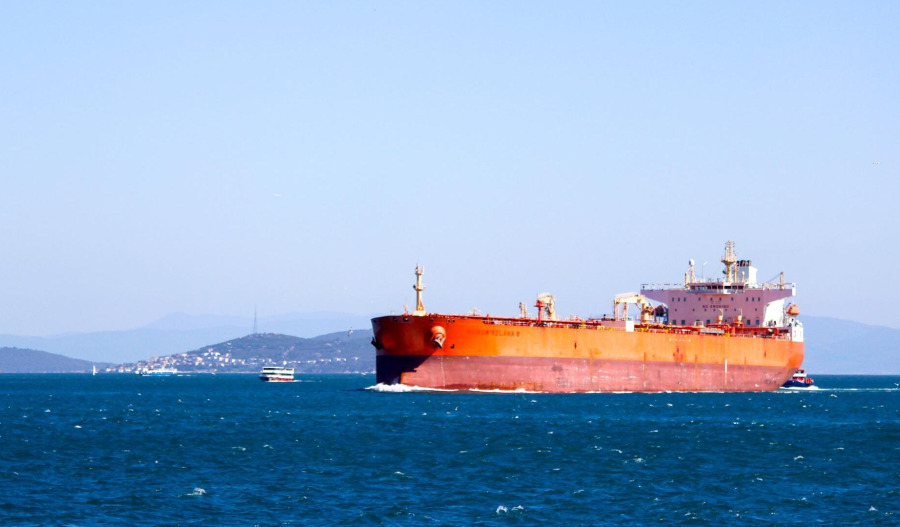
However, Iran's central military command later accused the United States of threatening commercial vessels and oil tankers in its territorial waters while "attempting to implement an illegal maritime blockade", describing the actions as "an escalation of the conflict in the region".
Saudi Arabia said it intercepted drones targeting petroleum infrastructure, including sites in Riyadh. The kingdom said the drones had been launched from Iraq by Iran-backed armed groups and reserved the right to respond.
Separately, Iran-backed Houthi forces in Yemen said they had targeted Saudi Arabia's East-West Pipeline, which transports crude to the Red Sea port of Yanbu, in retaliation for what they described as Saudi drone incursions.
Tehran also maintained that it remained in control of the Strait of Hormuz, the strategic waterway through which a significant share of the world's oil exports passes, despite Trump's insistence that international shipping must be allowed to transit freely.
The suspension of the U.S. bombing campaign, following 13 consecutive nights of strikes, combined with Trump's comments on negotiations, triggered a sharp sell-off in oil markets.
U.S. crude dropped 8.21% to US$81.98 a barrel, while Brent crude fell 9.31% to US$87.77 a barrel.
According to a U.S. official and multiple media reports, Trump's decision to halt the strikes followed military advice that the campaign had reached the limits of its effectiveness.