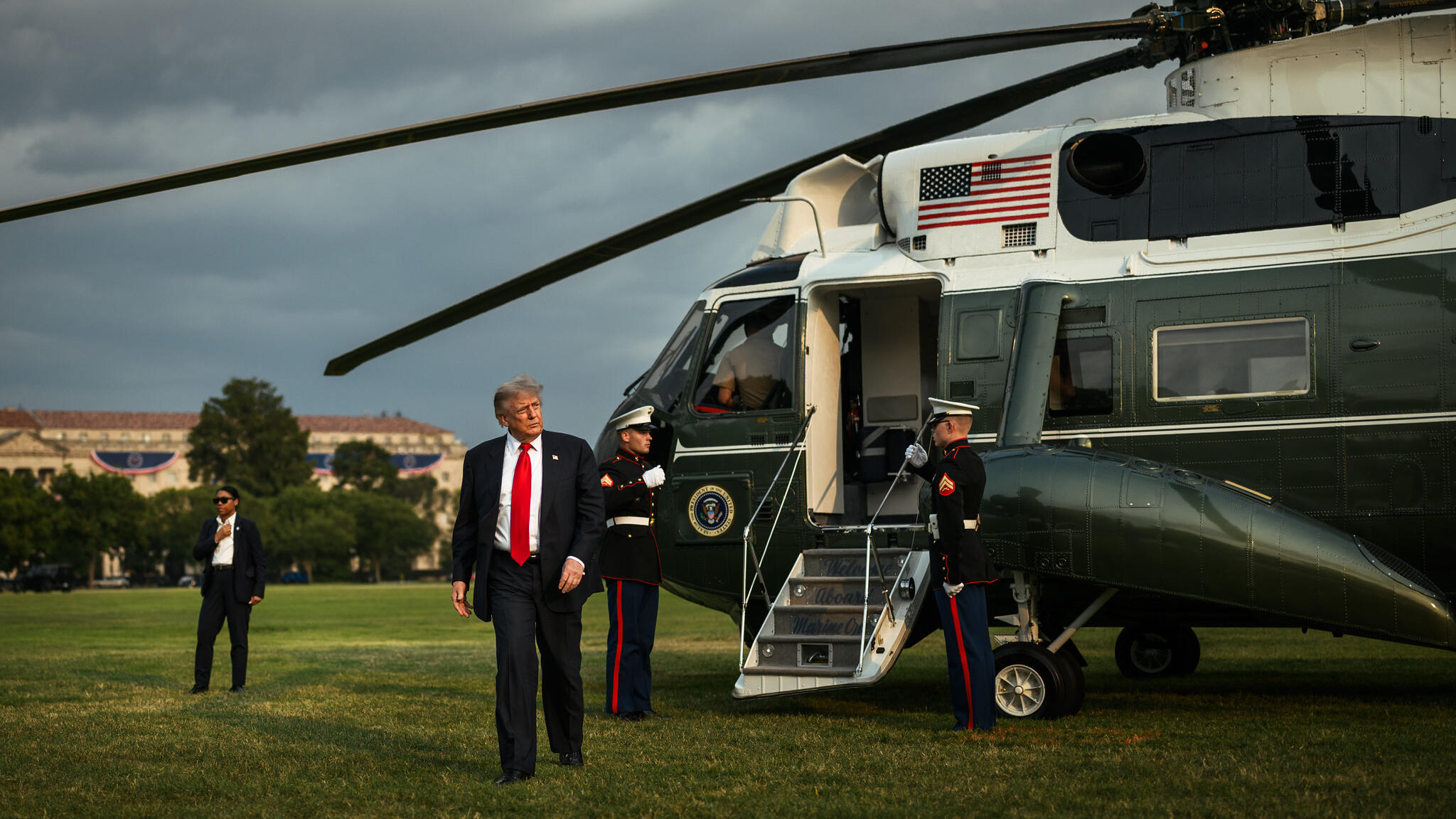
President Donald Trump said the United States will postpone a fresh military strike on Iran while negotiations continue over a deal aimed at halting Tehran's nuclear programme and reopening the Strait of Hormuz.
Posting on his Truth Social platform late on Saturday, Trump said Iran and several Middle Eastern nations had requested additional time to finalise an agreement that would deliver "the Immediate, Complete and Total" reopening of the strategically important waterway and bring "an end to Iran's nuclear threat".
Trump did not identify the countries involved. His comments came after a phone call with Saudi Crown Prince Mohammed bin Salman.
"Based on this request, I have agreed, for the future benefit of the WORLD and, likewise, the survival of a successful and prosperous Iran, to cancel the attack, subject to being able to rapidly make a DEAL," Trump wrote.
Meanwhile, Al Jazeera reported on Sunday that talks between Tehran and Oman over the Strait of Hormuz were nearing completion, citing Iranian Foreign Minister Abbas Araqchi.

Iran last month publicly rejected an Omani proposal, backed by Gulf states, to jointly manage the strait. People familiar with the matter previously told Reuters the proposal included voluntary transit fees for vessels using the waterway.
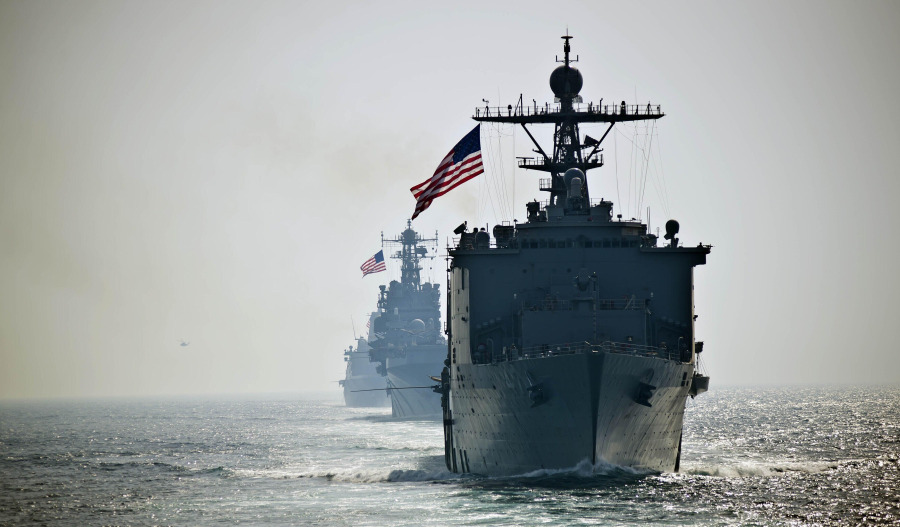
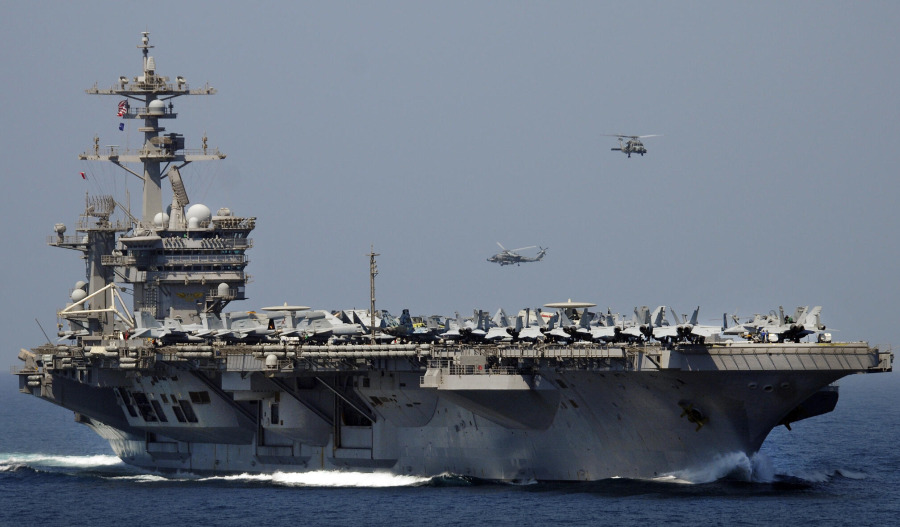
Trump's latest remarks marked a significant de-escalation after several days of escalating threats between Washington, Israel and Tehran during a conflict that has expanded across the Gulf, the Red Sea and into the eastern Mediterranean.
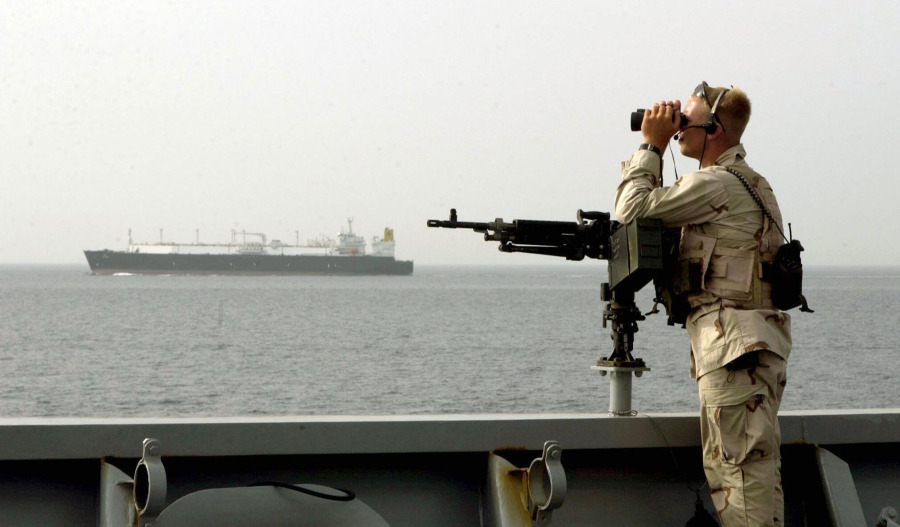
Iran has largely closed the Strait of Hormuz, through which around 20% of the world's oil and liquefied natural gas flowed before the conflict, disrupting global energy supplies, lifting prices and fuelling inflation concerns.
Trump and Israeli Prime Minister Benjamin Netanyahu met in Washington last Tuesday, where an Israeli official said they discussed all available options to curb Iran's nuclear programme, including diplomacy, economic pressure and military action. Tehran continues to deny it is pursuing nuclear weapons.
Iran's acting defence minister, Brigadier General Majid Ebn Al-Reza, said Tehran viewed recent U.S. threats as "psychological and cognitive warfare" but was treating them seriously.