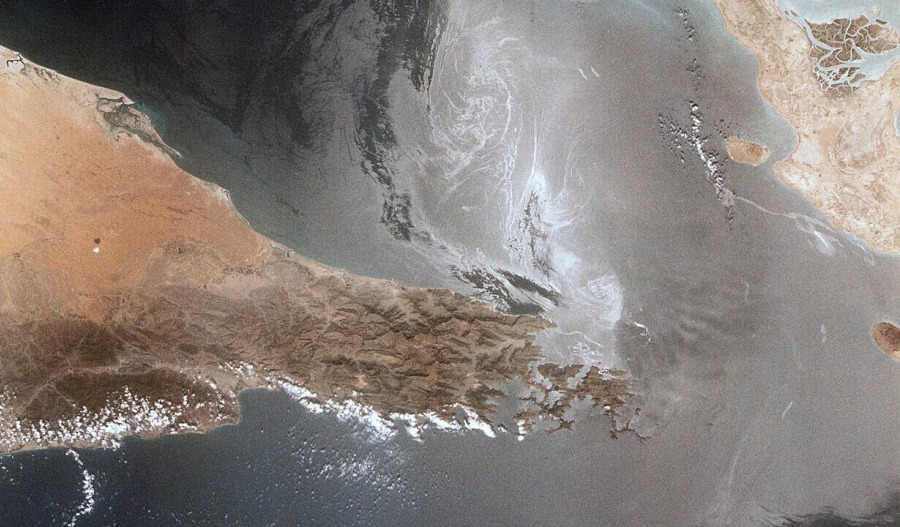
Oil prices traded higher during Asian deals on Wednesday, rising for a fourth consecutive session as investors weighed uncertainty over crude exports through the Strait of Hormuz amid conflicting messages from Tehran and Washington about whether the key waterway is open to shipping.
By 2.45 pm AEST (4.45 am GMT), Brent crude futures were up 58 cents, or 0.6%, at US$91.60 a barrel, while U.S. West Texas Intermediate crude futures gained 66 cents, or 0.8%, to $85.60 a barrel.
ANZ analysts commented in a note to clients:
"The gains were limited by signs that some oil is still getting through the strait. Saudi Arabia is said to be offering to sell oil off the coast of Oman, a sign that the kingdom may be shuttling barrels through the key waterway.
"UAE’s state oil giant, Abu Dhabi National Oil Co, said that despite its vessels being targeted, it is determined to safely deliver energy to global energy markets and to meet our customer commitments as much as possible.
"Ship tracking data from Bloomberg shows that daily crossings have slumped to single digit levels in recent days.
"However, oil tankers have been turning transponders off the make the journey undetected in increasing numbers in recent weeks."

United States President Donald Trump said on Tuesday that no talks were taking place with Iran and insisted that the Strait of Hormuz was open, contradicting Tehran's assertion that the critical waterway remained closed to shipping.
A temporary ceasefire agreement expired on Monday, while a senior Iranian official told Reuters that Tehran was moving towards a "fully offensive" military posture amid a diplomatic stalemate.
There were no reports of fresh strikes by either side on Tuesday.
Iraq is also seeking to reduce its reliance on the Strait of Hormuz. The country's cabinet approved mechanisms for exporting Iraqi crude through specialised international and local companies and via multiple export outlets, the government said on Tuesday.
Contracts under the new mechanism will run for three months from 1 September, according to a statement issued after the cabinet meeting.
In the U.S., crude oil and distillate inventories fell last week, while gasoline stocks increased, according to data from the American Petroleum Institute (API) on Tuesday.
Official U.S. inventory figures from the Energy Information Administration are due later in the U.S. session (Thursday AEST).