Iran has threatened to shift to a "fully offensive" military posture after efforts to negotiate a permanent end to its war with the United States stalled, while Washington ruled out extending a temporary ceasefire agreement.
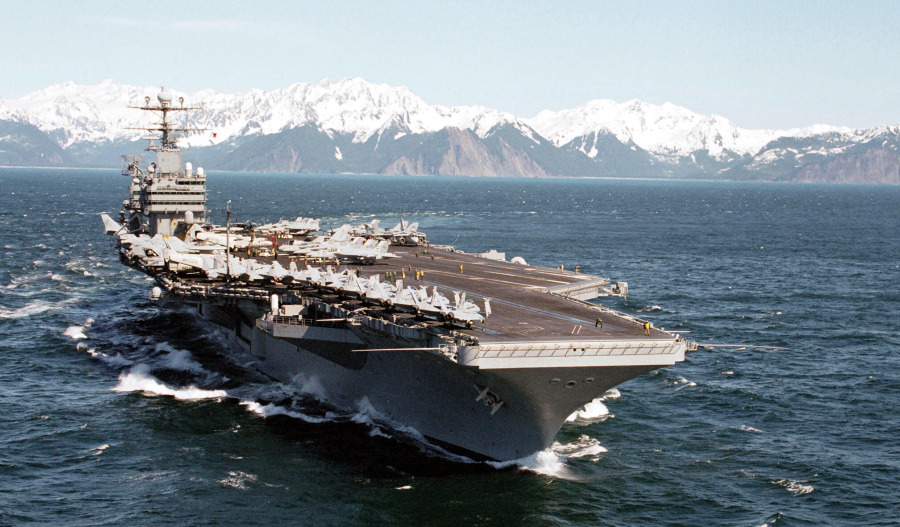
A senior Iranian official told Reuters that Tehran could escalate tensions in the Strait of Hormuz and the wider region if diplomacy fails, warning that Iran would launch a "timely and precise" military attack to break the U.S. naval blockade.
The warning came as a 60-day deadline for a broader peace agreement expired on Monday. The memorandum of understanding, signed on 17 June, called for the "immediate and permanent termination of military operations on all fronts" and set a framework for negotiations covering Iran's nuclear programme and U.S. sanctions.
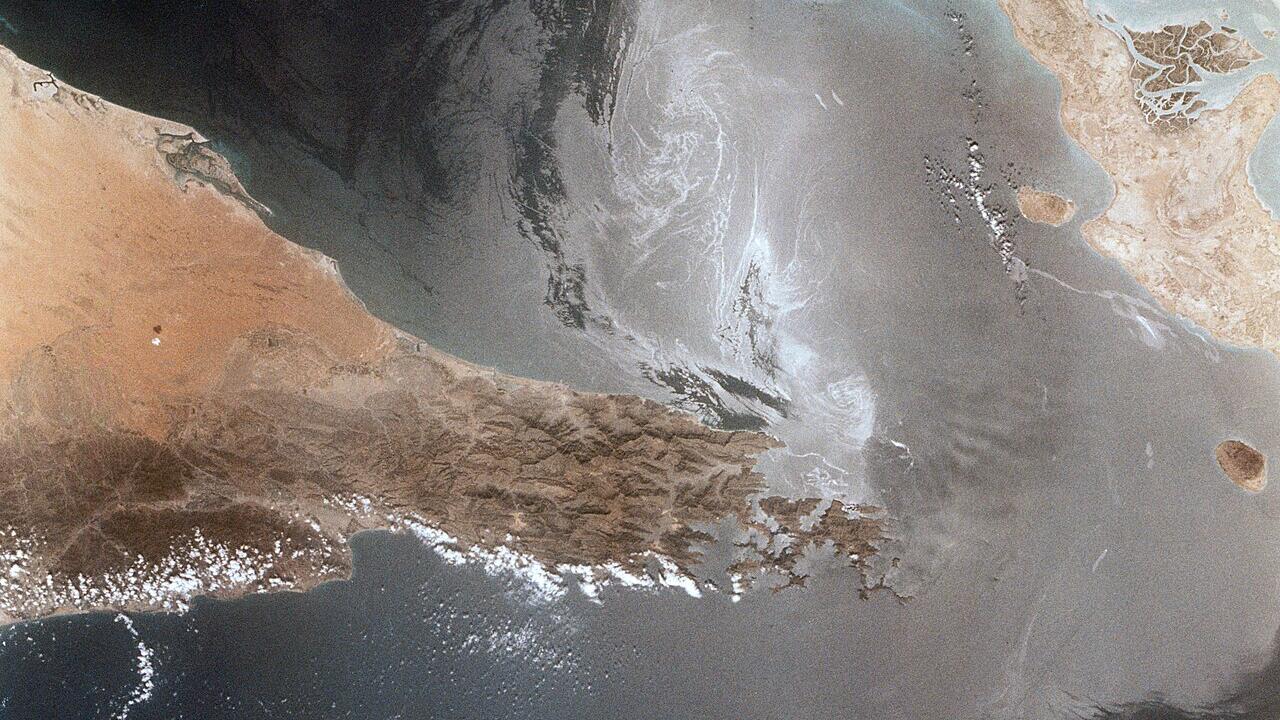
The agreement subsequently unravelled over disagreements about control of the Strait of Hormuz, the critical waterway through which a significant share of global oil and liquefied natural gas shipments normally passes.
Shipping through the strait has since fallen sharply, adding to concerns about energy supplies and global trade.
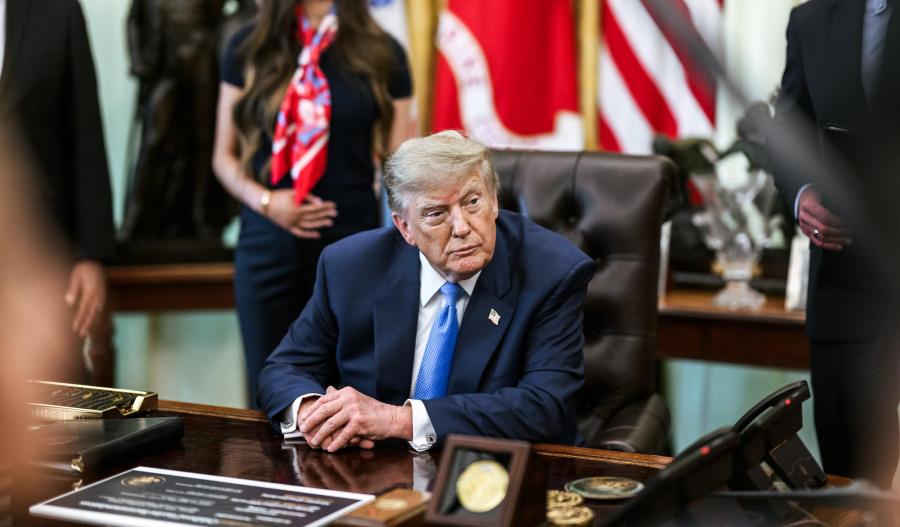
Asked on Monday whether Washington was seeking to extend the June agreement, U.S. President Donald Trump said no.
He also said Iran would not make the kind of deal he considered necessary, reiterating that preventing Tehran from obtaining a nuclear weapon remained the primary U.S. objective.
Despite the diplomatic impasse, reports have pointed to back-channel contacts between Washington and Iran's powerful Islamic Revolutionary Guard Corps (IRGC).

Axios reported that former Director of National Intelligence Tulsi Gabbard spoke with an Iraqi Kurdish leader with close ties to the IRGC, through whom the US reportedly delivered a message to IRGC commander General Ahmad Vahidi.
The Trump administration has been concerned about whether Iranian negotiators represent the IRGC, according to Axios.
Jared Kushner, Trump's son-in-law and special envoy, said separately that discussions between the U.S. government and different parts of the Iranian government were "probably more robust than it's maybe ever been".
Kushner also said Iran was "not showing any interest" in a deal that would make sense for Washington, although he described broader U.S.-Iran discussions as positive.
A major sticking point has been the Strait of Hormuz. Iran has argued that a provision of the memorandum gives it the right to manage the waterway, which it shares with U.S. ally Oman, while Washington has rejected that interpretation.
Iran has separately been negotiating with Oman over arrangements for managing shipping through the strait and has said the two sides were close to an agreement.
Trump responded by threatening military action against Oman if it obstructed US efforts. "If Oman gets in the way, we'll bomb the sh-- out of them," Trump told Fox News.
In the Oval Office on Monday, Trump also said he did not believe Oman had behaved well but insisted the U.S. could "handle them very easily".
Trump also said he liked the idea of making the Strait of Hormuz a U.S. territory, arguing that Washington had "total control over the strait" through its naval blockade.