The United States on Thursday threatened to maintain its naval blockade of Iran indefinitely, intensifying economic pressure on Tehran as ceasefire negotiations stall, global oil supplies tighten and tensions across the region escalate.
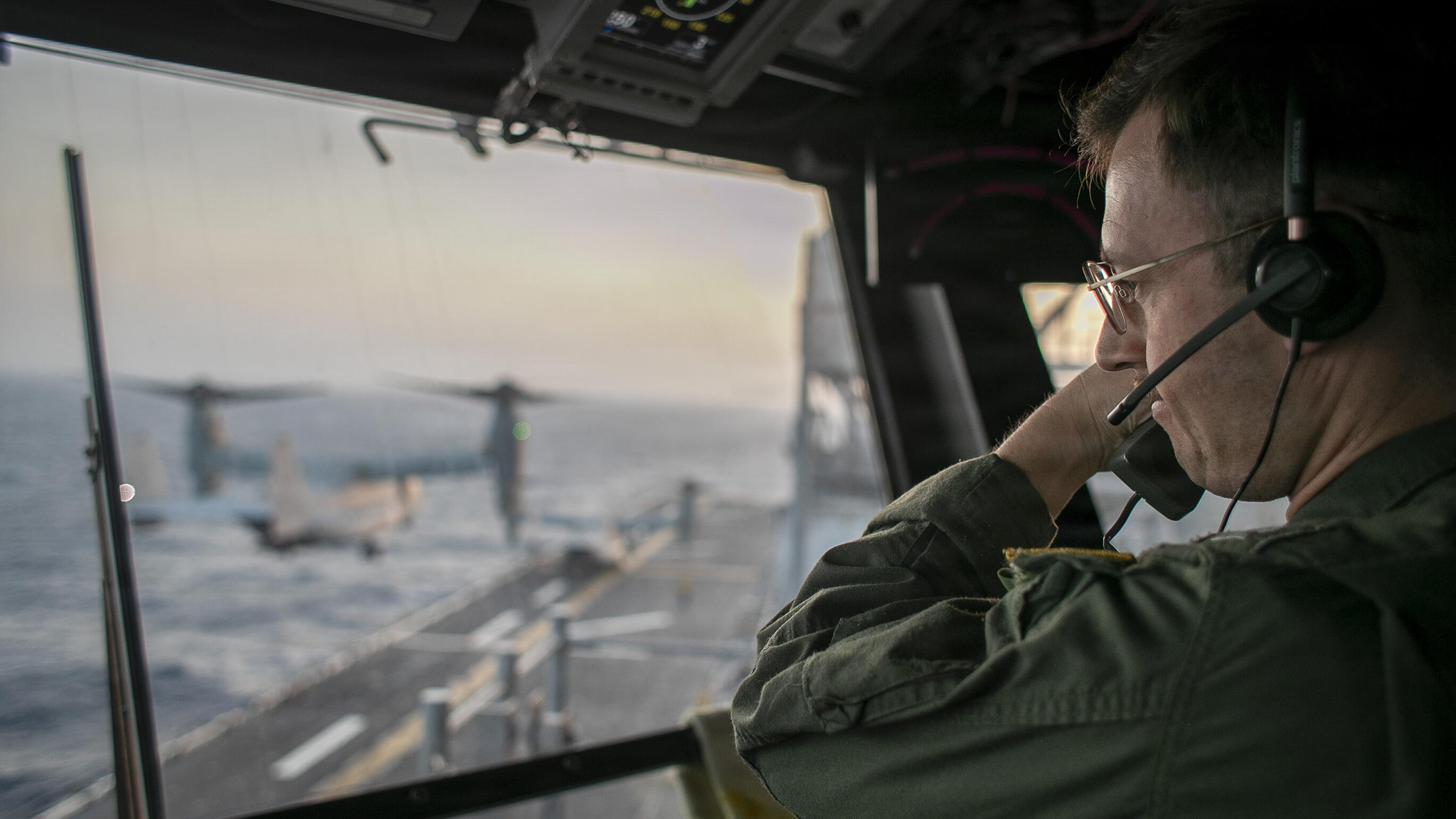
U.S. Defense Secretary Pete Hegseth said the U.S. military could maintain a naval presence in the region to enforce the blockade, which has already inflicted significant economic damage on Iran.
"Indefinitely the United States Navy can maintain a blockade like that because we'll rotate ships in and out, as we have, and we'll continue to," Hegseth told reporters during a trip to Panama.
A tentative June agreement aimed at ending the war has since collapsed, while Iran has sought to control the Strait of Hormuz and attacked vessels attempting to transit the strategic waterway.
Before the war began in February, the strait carried around one-fifth of global oil and liquefied natural gas supplies.

Two vessels operated by state-owned Abu Dhabi National Oil Company were attacked while transiting the strait on Thursday evening, according to UAE state news agency WAM.
The United Arab Emirates government condemned the incident as an Iranian attack.
Shipping traffic through the Strait of Hormuz fell to eight vessels on Tuesday, compared with a 10-day average of around 12 vessels and between 130 and 140 ships before the war.
U.S. President Donald Trump has repeatedly claimed that Washington has "total control" over the strait.
The U.S. lifted its blockade of Iranian shipping and ports for a month in mid-June but has since reinstated the restrictions, cutting off Tehran's main source of hard currency and compounding losses from wartime strikes on its energy infrastructure.
Washington has previously said it would lift the blockade once Iran and Oman, which sit on opposite sides of the strait, reach an agreement to restore commercial shipping.