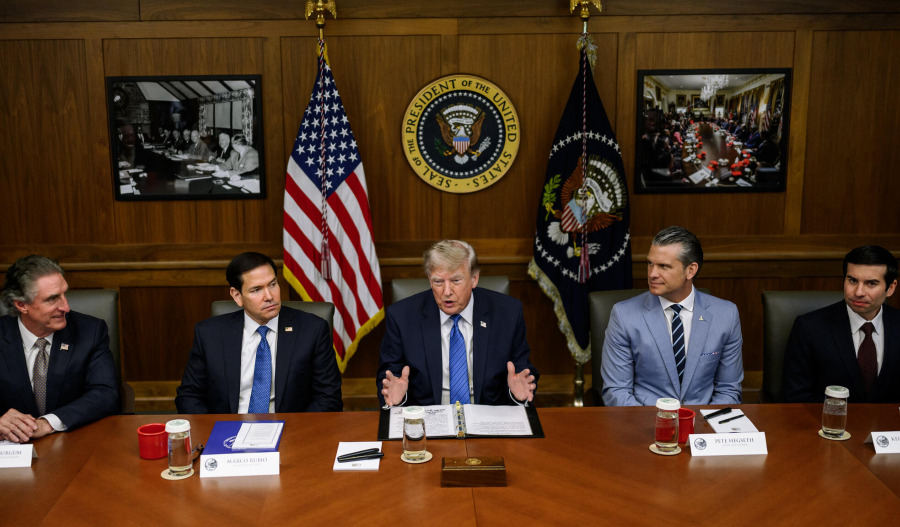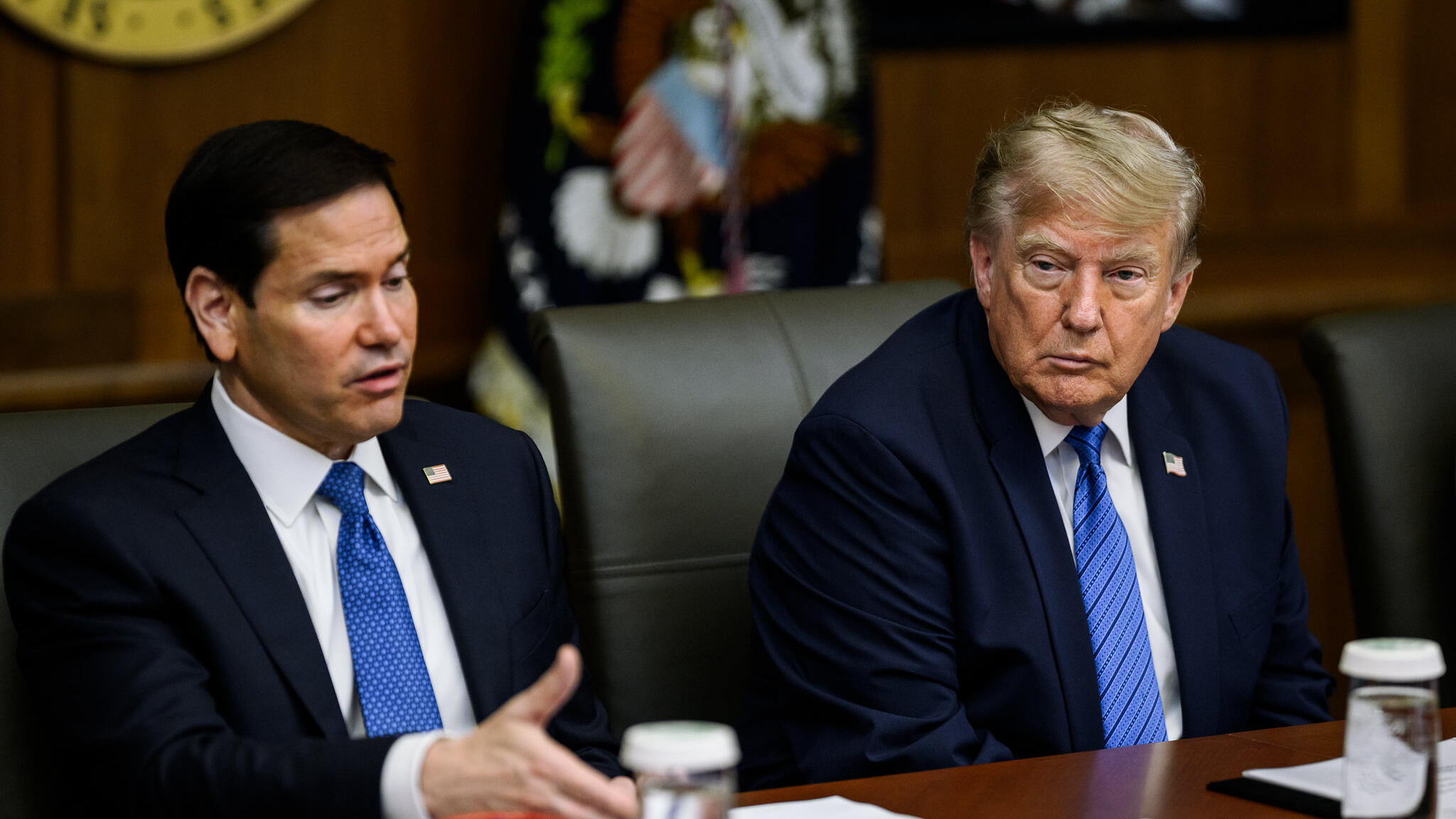
President Donald Trump said the United States is “semi-negotiating” with Iran while signalling that Washington is prepared to maintain economic pressure on Tehran as talks over the Strait of Hormuz continue.
“We are only semi-negotiating with them. We are just watching Iran with its huge inflation and the fact they have no money,” Trump reportedly told Axios in a phone interview.
Trump said Iran was in “very bad shape” and that the U.S. blockade of the Strait of Hormuz had further weakened the country’s economy.
“It will work out. It always works out. It’s like a chess game,” he said.
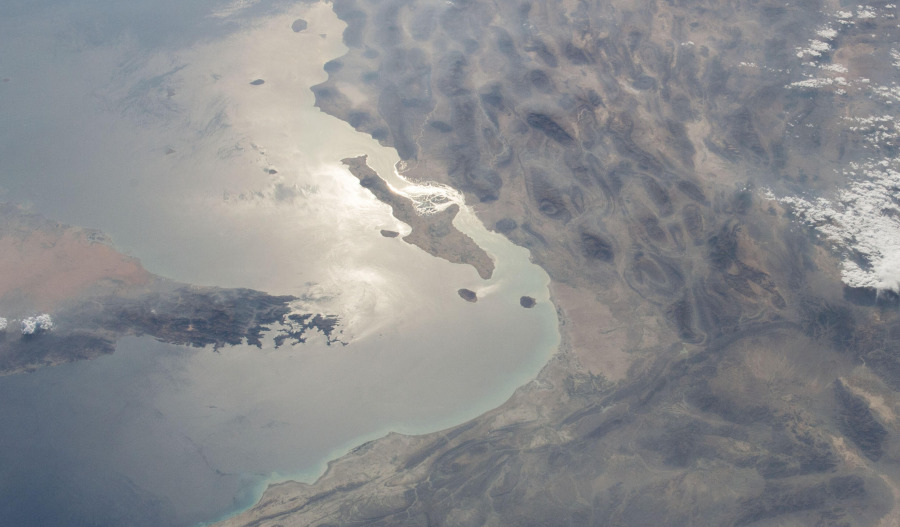
Iranian Foreign Minister Abbas Araghchi said on Saturday that negotiations with Oman were approaching their “final stages”, but stressed that this did not mean the Strait of Hormuz would immediately reopen.
He said reopening the strategic waterway would depend on additional conditions and compensation for what Iran described as the U.S. violation of a June memorandum of understanding covering peace talks.

Iran’s Revolutionary Guards also said the reopening of the strait was subject to its own mechanism and was separate from negotiations between Iran and Oman.
Iran’s Supreme National Security Council has since issued further demands, saying the Strait of Hormuz will remain closed until the U.S. “corrects its behaviour”.
The council said Washington must end the war permanently, stop threatening Iran, lift the naval blockade of Iranian ports and withdraw its military forces from the region. It also called for compensation for war damage, the lifting of sanctions and the unconditional release of frozen Iranian assets.
The U.S. has not immediately commented on the latest demands. Under the interim agreement reached in June, negotiations were expected to address sanctions, compensation and frozen assets as part of a final deal.
Meanwhile, the U.S. Central Command (CENTCOM) said its renewed blockade of the Strait of Hormuz has redirected 53 ships attempting to enter or leave Iranian ports.
The blockade was reinstated on 14 July after Iran targeted ships in the strait and a ceasefire between the two sides collapsed. More than 140 ships were redirected during the first blockade between April 14 and June 18.
Central Command said it has also allowed more than 30 vessels carrying humanitarian aid to pass through the area.