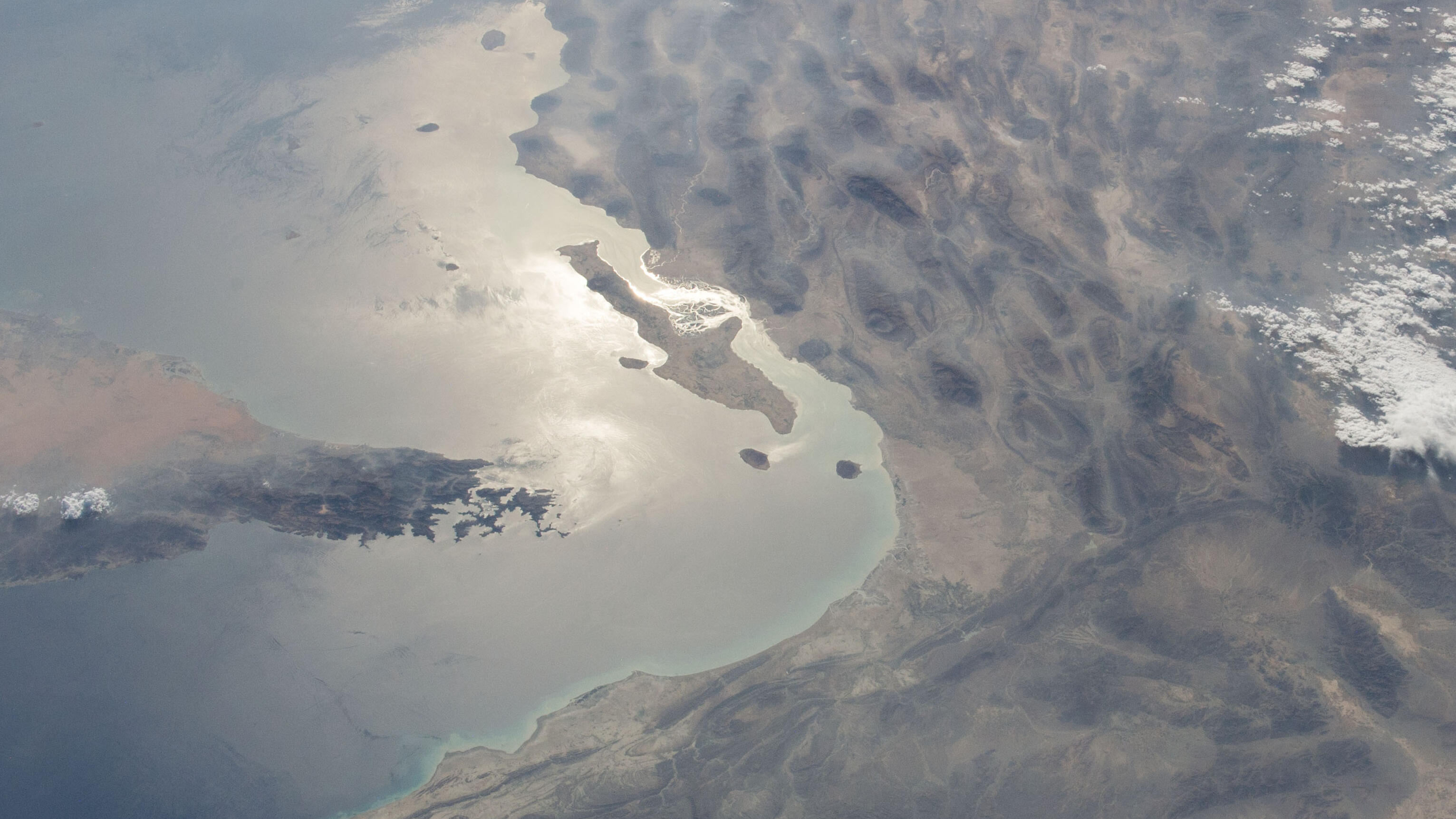
Iran and Oman are moving closer to an agreement on a new framework for managing shipping through the Strait of Hormuz, although Tehran says the proposal does not amount to a full reopening of the strategic waterway.
According to Iran's state news agency IRNA, the proposed arrangement would see commercial vessels enter the strait through Iranian waters before exiting through Omani waters.
IRNA reportedly said the negotiations are intended to establish "a new model that is different from the 60-year-old practice of the past", replacing the longstanding system under which vessels transited the strait without the proposed framework.
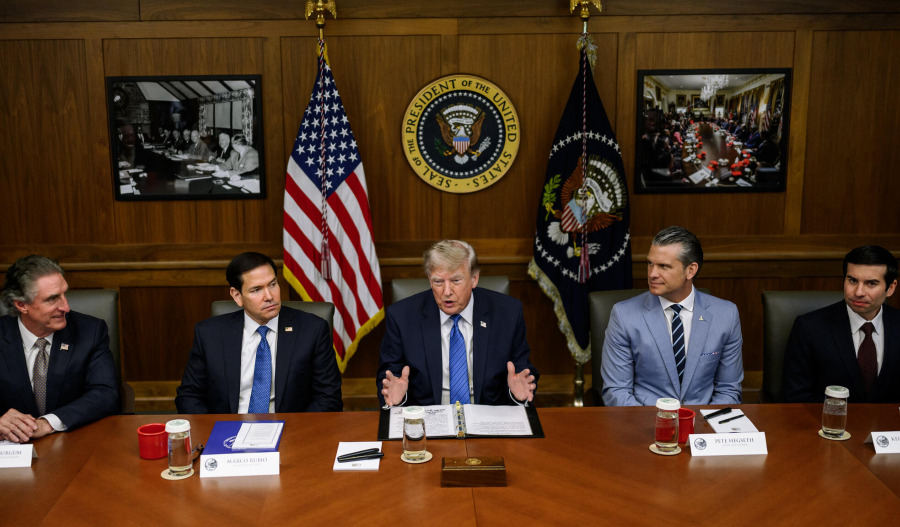
President Donald Trump has said an agreement on the Strait of Hormuz could be announced as early as Thursday.
The Iranian state news agency argued the conflict involving Iran had fundamentally altered the security environment around the waterway and that previous arrangements were no longer suitable.
IRNA added that the success of any agreement would depend on whether countries across the region and the broader international community accepted the new framework.
The report made no reference to imposing transit fees on vessels using the strait, an issue that could prove contentious if introduced.

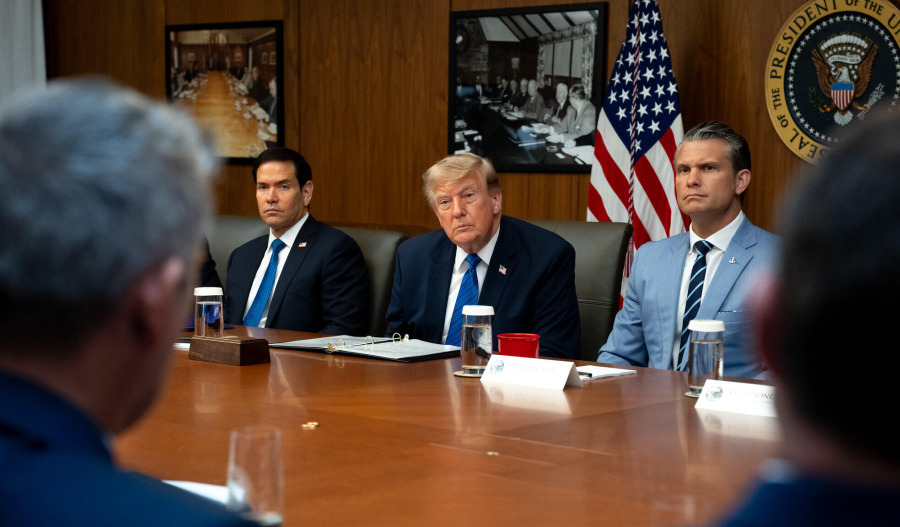
Separately, U.S. officials told CBS News that President Trump was scheduled to speak by phone with Saudi Crown Prince Mohammed bin Salman on Thursday to discuss developments involving Iran.
Saudi Arabia has played a key role in diplomatic efforts to ease tensions in the Gulf. Following the United States' decision to cancel a planned large-scale strike on Iran over the weekend, Trump said Saudi Arabia was among several countries that urged Washington to give negotiations more time.
"Many, many countries called," Trump said at an event in Las Vegas on Wednesday. "The leaders of many we are friendly with, a lot of them, almost all of them, one way or the other, and they all wanted to give [negotiations] a last chance."
Saudi Arabia has also faced attacks from the Iran-backed Houthi movement, which has targeted the kingdom's energy infrastructure and Saudi-flagged oil tankers in the Bab el-Mandeb Strait.
Meanwhile, the U.S. military blockade in the Strait of Hormuz redirected another vessel over the past day, bringing the total number of diverted ships to 49 since the restrictions were reinstated in mid-July, according to U.S. Central Command (CENTCOM).
The blockade continues to redirect all vessels travelling to or from Iranian ports through the Strait of Hormuz.
Shipping activity through the waterway remains subdued. CBS News reported that only eight vessels transited the strait on Tuesday, with just 29 ships making the crossing so far this week, citing maritime tracking firm Kpler.