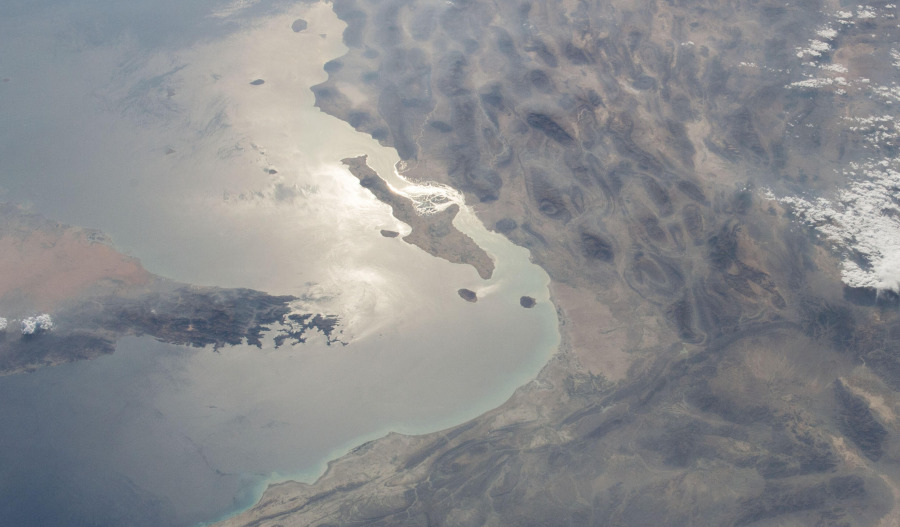
Oil prices extended their gains during Asian deals on Friday as uncertainty surrounding negotiations over the future operation of the Strait of Hormuz heightened concerns about global crude supplies.
By 2:50 pm AEST (4:50 am GMT), Brent crude futures were up US$1.33, or 1.6%, at $83.82 a barrel, while U.S. West Texas Intermediate (WTI) crude gained $1.05, or 1.4%, to $78.34 a barrel.
Both Brent and WTI benchmarks remained on track for weekly losses of 4.7 and 7.4%, respectively.
Analysts at ING noted in The Commodities Feed:
"There are suggestions that Iran wants to ban U.S. and Israeli ships from the Strait of Hormuz, while also seeking compensation from hostile countries before they can use the strait again.
"In addition, Iran still wants to charge fees for ships transiting the Strait of Hormuz, in the form of service fees rather than a toll.

"There doesn’t seem to be much of a compromise, which ultimately makes it more difficult to reach a sustainable deal.
Despite clear signs of progress in recent days, the tenor of the rhetoric and growing distrust between the U.S. and Iran mean things could go from bad to worse once again.
"For now, we hold onto our view that flows will start to normalise through the third quarter, which leaves us expecting Brent to average $80/bbl this quarter. However, there's plenty of risk and uncertainty to this view."
According to Reuters, citing Iran's Fars news agency, an Iranian lawmaker said a parliamentary committee is reviewing draft legislation that would ban U.S., Israeli and other vessels deemed hostile from using the Strait of Hormuz.
The proposal would also impose fines of up to 20% of cargo value on ships found to be in breach of the new restrictions.
Negotiators remain divided over transit fees. According to a senior Iranian official, Tehran is seeking charges of between 5% and 7% of cargo value for ships using the strait.
Oman is reportedly discussing fees of around 3%, while the United States continues to oppose any transit charges.