Oil prices rose during Tuesday's Asian deals as prospects for a deal to end the Middle East conflict weakened, with Iran signalling a more offensive military posture and the United States ruling out an extension of a temporary ceasefire agreement, raising concerns over global energy supplies.
Iran will shift to a "fully offensive" military posture after efforts to negotiate a permanent end to the war stalled, a senior Iranian official told Reuters on Monday. Washington has meanwhile ruled out extending the temporary ceasefire pact.
By 2:45 pm AEST (4:45 am GMT), Brent crude futures had risen 61 cents, or 0.7%, to US$91.48 a barrel, while U.S. West Texas Intermediate crude futures gained 70 cents, or 0.8%, to $85.20 a barrel.
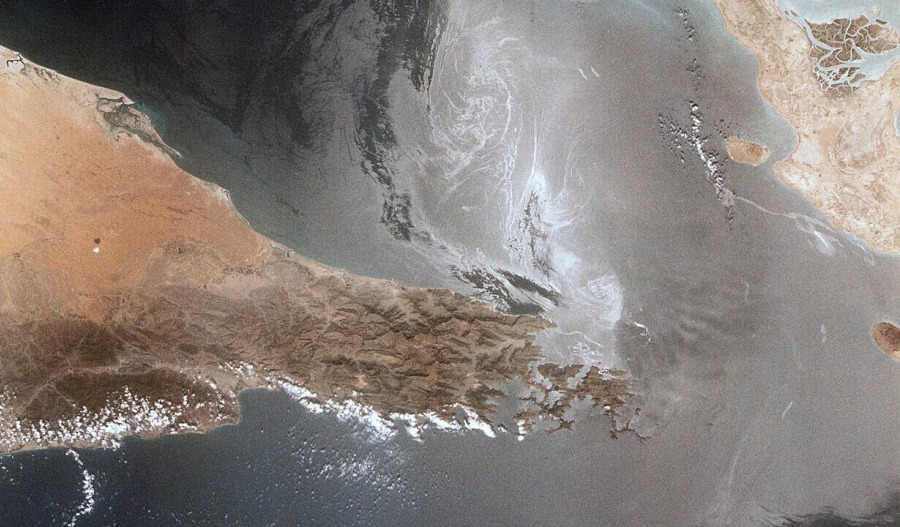
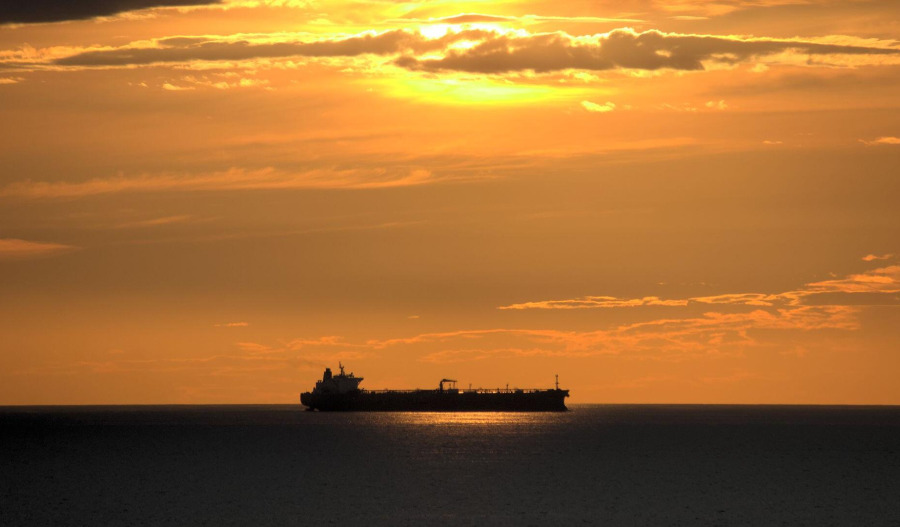
Progress towards peace talks and the resumption of oil tanker traffic through the strategic Strait of Hormuz has stalled, increasing the risk that the conflict launched by the United States and Israel against Iran on 28 February could continue.

ANZ analysts commented in a note to clients:
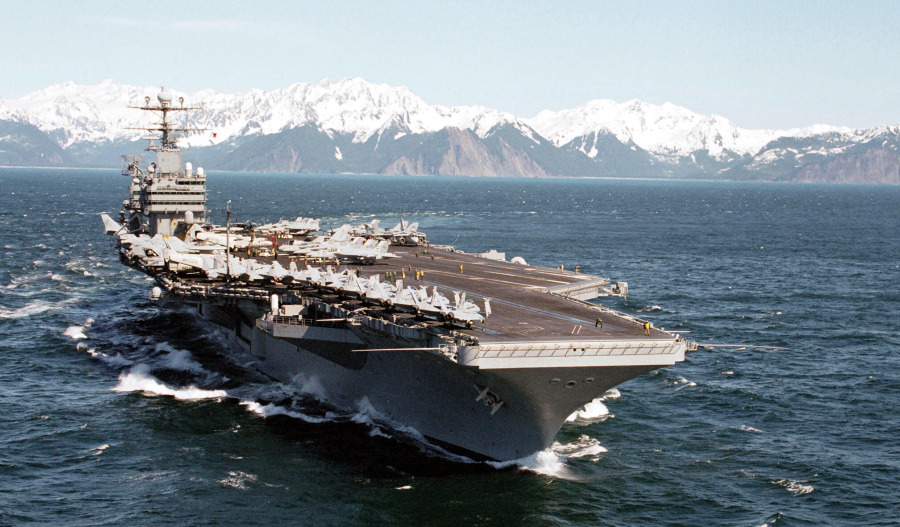
"Talks appear to be at a standstill, as the 60-day truce expired on Monday. Trump said he’s not seeking to extend the memorandum of understanding signed in June and warned that he’s in no hurry to end the conflict, citing pressure from the U.S. naval blockade on the Islamic Republic.
"U.S. Energy Secretary, Chris Wright, told Fox News that the U.S. is playing the long game with Iran, implying the administration has no imminent plans for de-escalation.
"Those comments came after Trump threatened to attack Oman if it gets in the way of the U.S. blockade on Iranian ships. Oman and Iran appear to be edging closer to a deal on how the Strait of Hormuz should be managed.
“However, without U.S. involvement in those talks, it’s unlikely it will lead to the full restoration of oil flows through the key waterway.”