
Oil prices slipped by more than 1% on Friday from multi-month highs, though crude benchmarks are poised for their most substantial monthly gains in years as a heightened geopolitical risk premium continues to underpin the energy complex.
By 3:40 pm AEDT (4:40 am GMT), Brent crude futures for April had fallen by $1.09, or about 1.6%, to $68.50 per barrel, while U.S. West Texas Intermediate crude declined $1.01, or roughly 1.5%, to $64.41 per barrel.
Both benchmarks had surged 3.3% and 3.5%, respectively, to multi-month highs in the previous session as markets absorbed a string of risk-driven developments.
Analysts at ANZ said sovereign and strategic risk concerns have been fuelling price support, noting: “Associated Press reported that Iran issued a warning to ships at sea that it planned to run a drill next week that would include live firings in the Strait of Hormuz.
"That stoked fears of a potential closure of a waterway that carries approximately 20% of world oil supply.
"Iran accounts for about 3% of global supply. It’s clear that the market is now pricing in a geopolitical risk premium amid the risks to supply disruptions.”
Heightened tensions in the Middle East have been reflected in broader security posturing, with a U.S. military buildup in the region and President Donald Trump urging Iran to negotiate on its nuclear programme or face potential military action.

Tehran’s response, indicating it would “strike back hard”, has amplified concerns about possible conflict and the risk of supply disruption.
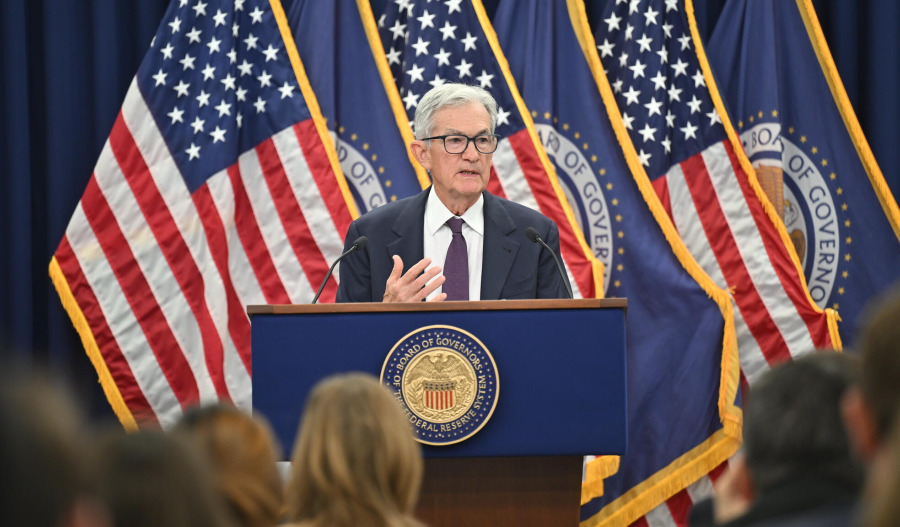
The U.S. dollar also strengthened on Friday, trimming a weekly slide after Trump said he would soon announce his nominee to lead the Federal Reserve and amid optimism that U.S. lawmakers would avoid a government shutdown.
This firming of the dollar typically places downward pressure on commodities priced in the currency, including oil, by making them more expensive for holders of other currencies.
Despite Friday’s downward move, both major oil benchmarks are set to record their first monthly gains in six months. Brent is up around 14.7% in January - its largest monthly jump since January 2022 - while WTI is on track to rise about 12% for the month, marking its most significant monthly advance since July 2023.
Supply fundamentals beyond the Middle East have also shaped the market backdrop. Disruptions at Kazakhstan’s Tengiz oilfield, following a series of unexplained electrical fires, prompted phased restarts aimed at returning production to full capacity after substantial output losses.
Meanwhile, inclement weather has dampened Russian exports, tightening flows from a key supply region.
In Venezuela, evolving political and economic conditions have created additional supply dynamics. After the ousting of President Nicolas Maduro early this month, the interim government approved sweeping reforms to the country’s principal oil law.
The U.S. administration also broadly eased sanctions on Venezuela’s oil industry, a move expected to encourage investment and potentially boost future crude and gas output.