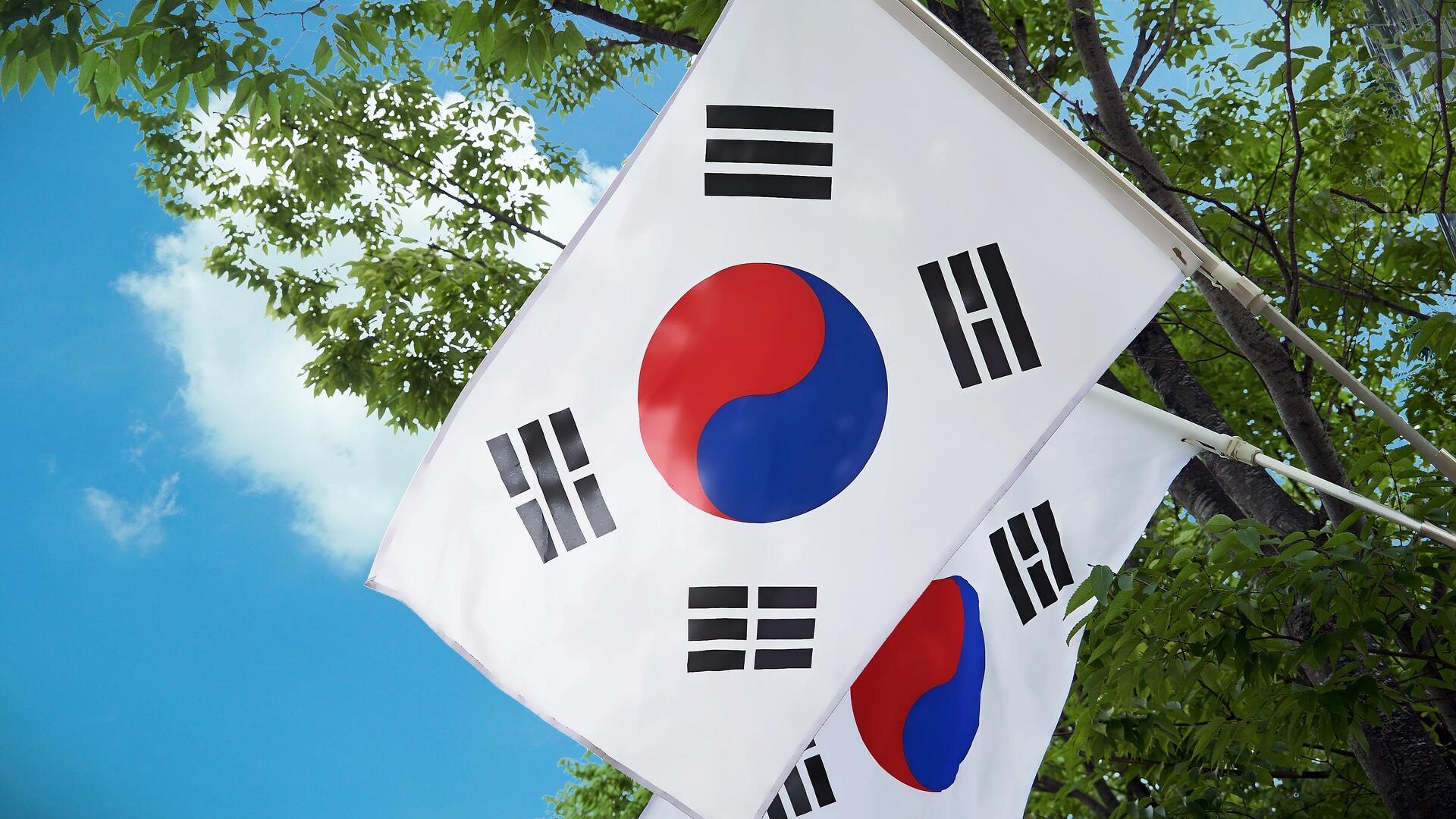
South Korea is clamouring to pass a United States investment law after the Trump administration warned that tariffs on Korean exports, particularly cars, could jump to 25% from 15%.
The reason offered was familiar U.S. President Trump logic - Seoul had not “delivered” on a deal struck last year.
In plain English, the U.S. president was arguing that South Korea promised something big and slow-walked on the paperwork.
At the centre of the dispute is a special investment law that would create a state-run vehicle to manage South Korea’s promised US$350 billion investment into the United States.
It’s understood this fund will channel Korean capital into American factories, infrastructure and technology.
This would be seen as a political win for Trump ahead of an election year, while providing further proof that tariffs “work”.
The Korean government insists this is a legislative timing issue, not a breach of trust.
The bill was submitted in November, is stuck in committee, and needs parliamentary approval before any money can legally move.
Korea’s ruling Democratic Party does have the numbers, but even friendly legislatures move slowly when billions and sovereignty are involved.
Trump’s administration has shown little patience for such nuance.
The White House line is blunt: tariff relief was exchanged for action, and action has not followed.
U.S. Trade Representative Jamieson Greer and Commerce Secretary Howard Lutnick have both hinted that Washington views Korea’s progress as selective — quick on regulating U.S. tech companies, slow on delivering U.S-facing investment.
That accusation cuts deeper than tariffs, with Republicans in Congress openly framing Korea’s digital and platform regulations as discriminatory against American firms, folding trade, technology and culture-war politics into a single grievance.
Markets reacted as expected, with Hyundai and Kia shares falling sharply before clawing back losses, a reminder that investors now treat Trump tariff threats as a negotiating phase rather than a policy endpoint.
Meanwhile, Korean officials clearly agree, and within 24 hours of the warning, ministers were dispatched to Washington with promises of faster timelines, preliminary project reviews and better “communication”.
However, communication is not the problem; it’s power.
Trump’s approach treats allied legislatures as inconveniences rather than constitutional constraints.
South Korea cannot simply wire US$350 billion because a foreign president is impatient, nor should it.
Democracies legislate first and spend later.
There is also a larger question Trump avoids.
If the U.S. Supreme Court is still weighing the legality of reciprocal tariffs, why is the administration using them as a pre-emptive cudgel?
The answer is political expediency. Tariffs are immediate, visible and emotionally legible to voters. Parliamentary process is not.
From a contrarian financial lens, Korea’s bigger risk is not higher tariffs but precedent.
If Washington learns that a public threat accelerates foreign lawmaking, it will repeat the tactic.
Today it is investment timing; tomorrow it could be exchange rates, tax policy or corporate regulation dressed up as “fair trade”.
Trump has since softened his tone, saying the U.S. will “work with South Korea to find a solution”.
But that line should be read not as reassurance but as a pause.
Pressure has been applied, signals have been sent, and the clock is still running.
Allies are discovering that under Trump, trade agreements are not contracts but ongoing tests of obedience.
Seoul may pass the bill by February, markets may settle, and tariffs may never rise.
But the message will linger; even trusted partners are only one delayed vote away from punishment.