Trump: US will hike Canada auto tariffs to 50%
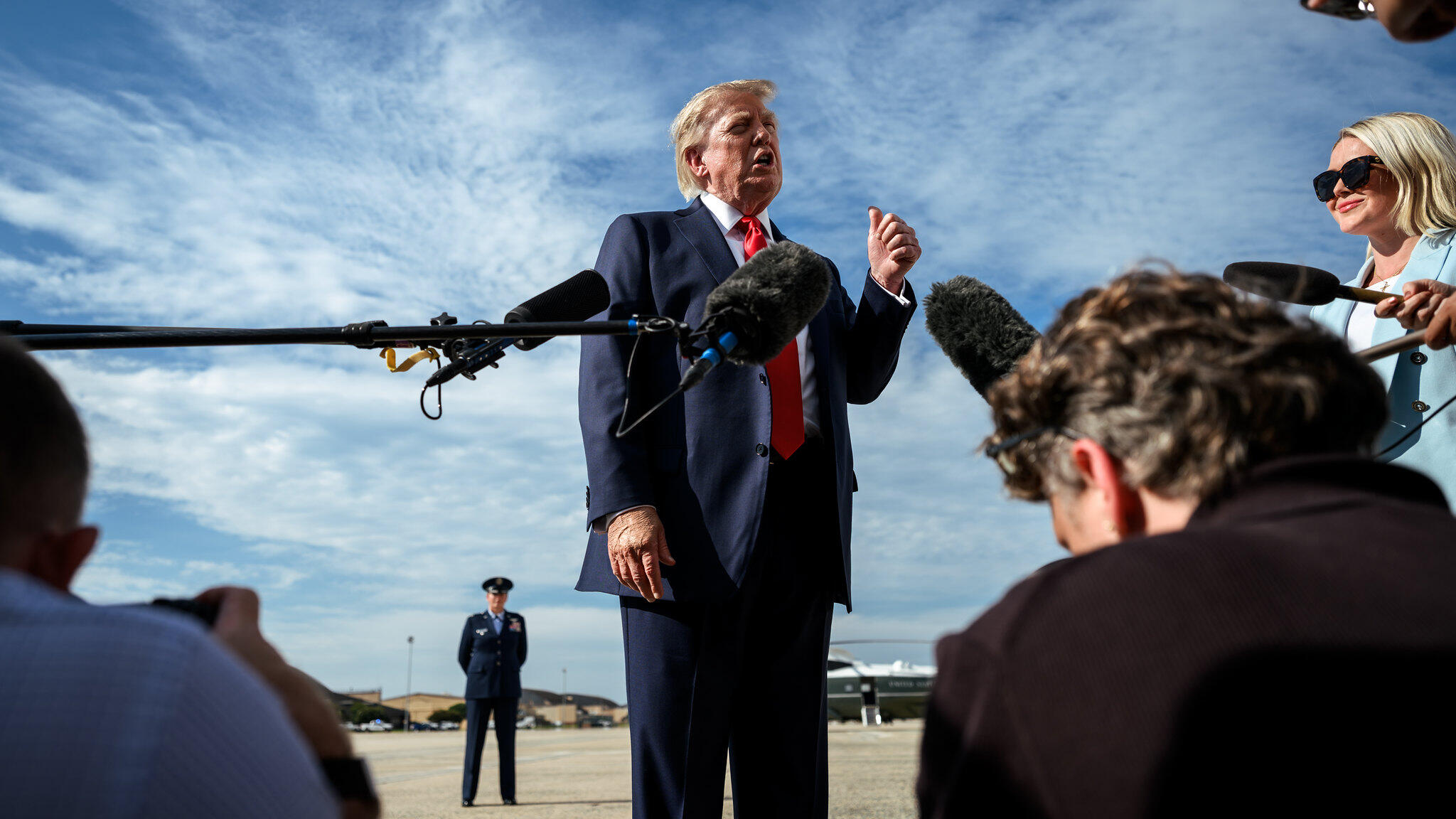
United States President Donald Trump said the U.S. will raise tariffs on imports of cars, trucks and automotive parts from Canada to 50% from 1 January 2027, escalating trade tensions following the collapse of negotiations last week. “Canada has been ripping off the United States of America for years,” Trump wrote in a Truth Social post, accusing the longtime trading partner of harming U.S. farmers through its tariff policies. “Not sustainable, and NOT ANYMORE!” he wrote. “On January First, 2027, Tariffs on all Cars, Trucks, both large and small, Automotive Parts, and Steel, will be increased to 50%.” Trump later returned to Truth Social to criticise Ontario Premier Doug Ford, who threatened to intensify the U.S.-Canada trade dispute by restricting U.S. access to electricity and critical minerals. “Someone should get these clowns to ‘fall in line’ or, the consequences for Canada will be far WORSE!” Trump wrote, referring to Ford as a “Flunky” of Canadian Prime Minister Mark Carney. Ford responded by calling Trump a “bully” and a “dictator”. Trump's latest tariff threat would double the top-line U.S. duties on Canadian auto imports, which currently stand at 25%. Canada had sought to reduce those tariffs as part of