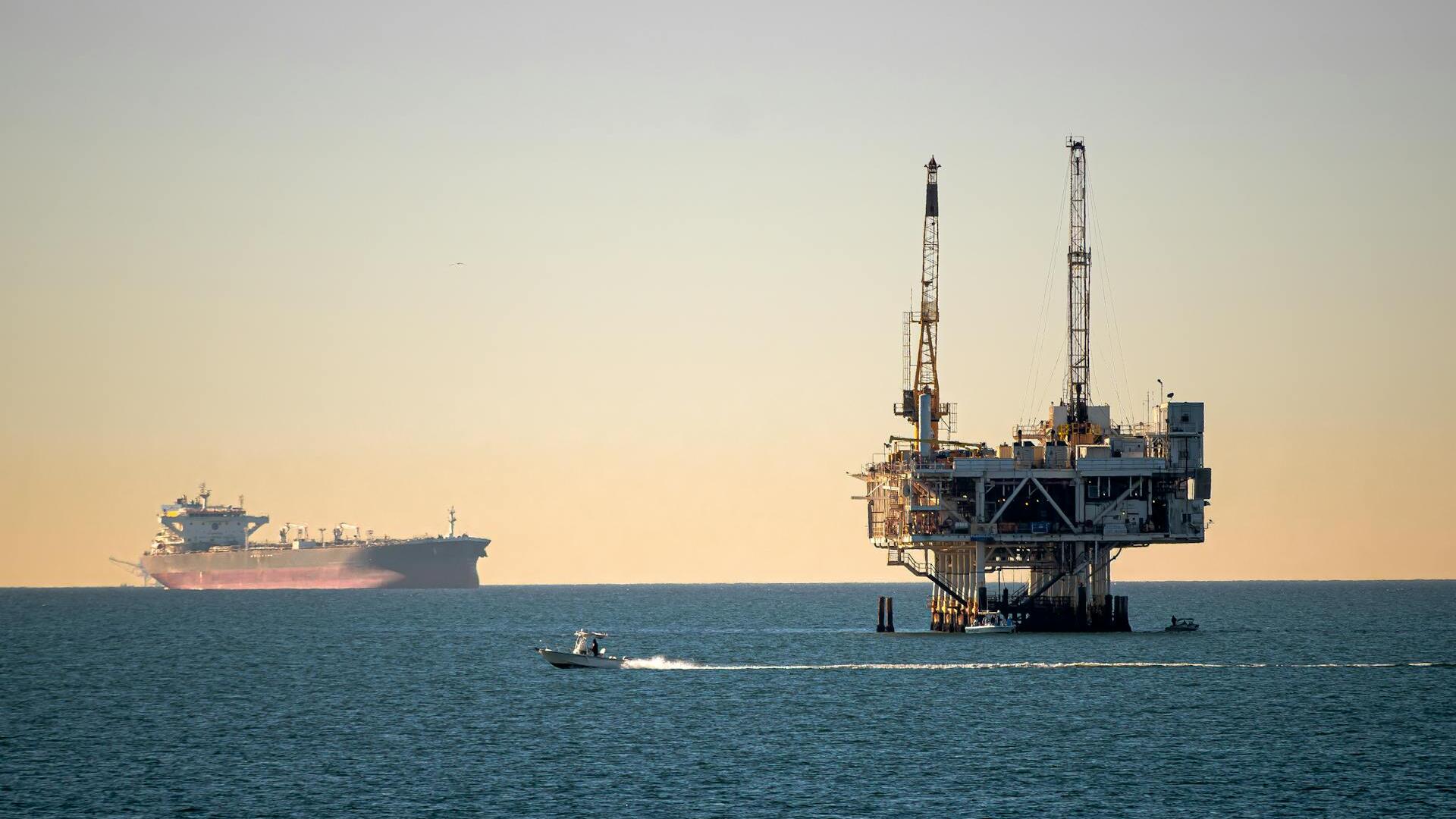
Oil prices edged higher during Wednesday’s Asian session, notching fresh three-month highs, supported by lingering concerns over United States supply disruptions following severe winter storms and a renewed rise in geopolitical tensions in the Middle East.
By 3 pm AEDT (4 am GMT), Brent crude futures for April delivery were up 25 cents or 0.4% to US$66.84 per barrel, while U.S. West Texas Intermediate crude traded 31 cents or 0.5% higher at $62.43 per barrel.
Both benchmarks had rallied 2.8% and 2.9% respectively in the previous session.
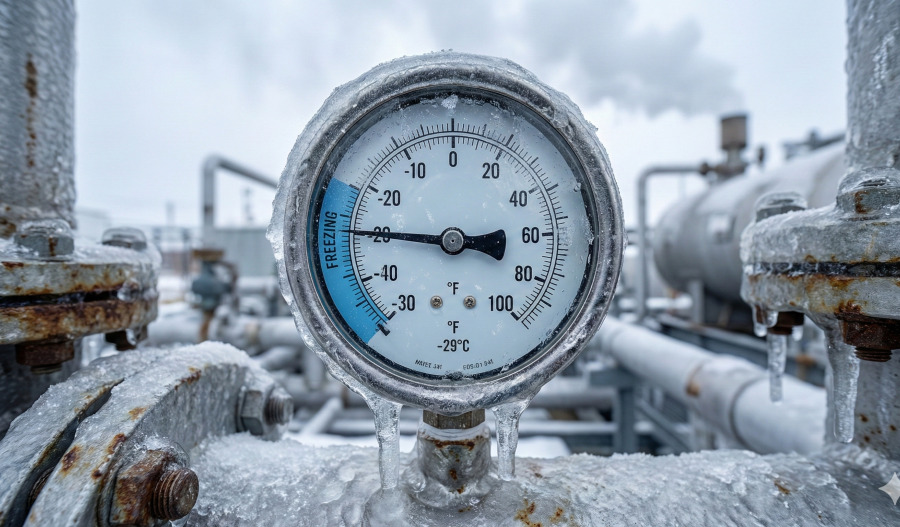
Adverse weather across the United States has strained energy infrastructure, with snowstorms disrupting refinery operations along the Gulf Coast and in other key regions.
Analysts and traders estimated that U.S. producers lost up to 2 million barrels per day over the weekend, equivalent to about 15% of national output, as freezing conditions and power grid stress hampered operations.

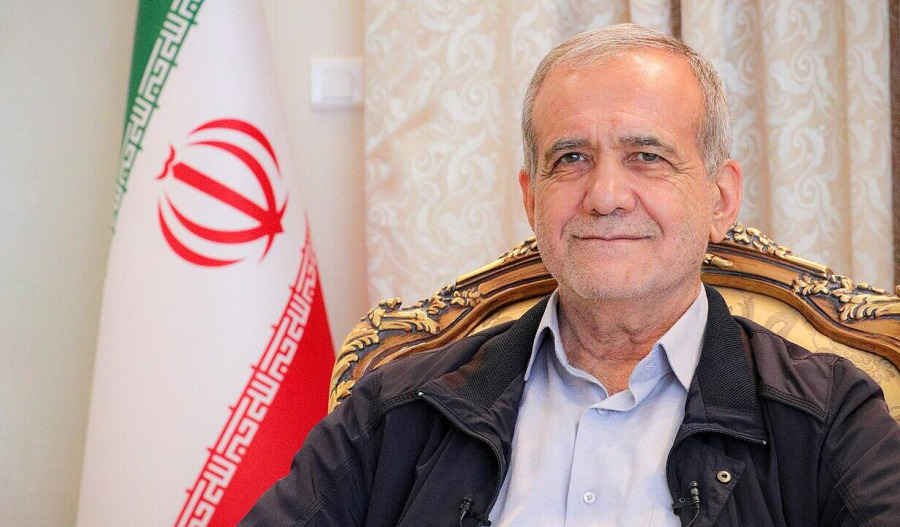
Geopolitical risks added to the supportive backdrop. A U.S. aircraft carrier and accompanying warships have arrived in the Middle East, according to U.S. officials cited by Reuters, broadening President Donald Trump’s options to defend U.S. forces or potentially take military action against Iran.
ANZ analysts noted: “This has raised the prospect that he will follow through on his threat to attack Iran’s senior leadership in response to a violent crackdown on nationwide protests.”
Outside the U.S., Kazakhstan’s largest oilfield, Tengiz, is expected to restore less than half of its normal production by 7 February as it gradually recovers from a recent fire and power outage, sources familiar with the matter told Reuters.
At the same time, pipeline operator Caspian Pipeline Consortium (CPC) said it had returned to full loading capacity at its Black Sea terminal after completing maintenance at one of its three mooring points, potentially easing some export constraints from the region.
Market participants are also looking ahead to OPEC+ policy. The producer group, comprising the Organization of the Petroleum Exporting Countries and allies including Russia, is expected to maintain its pause on output increases for March at a meeting scheduled for 1 February, reinforcing expectations of continued supply discipline in the near term.