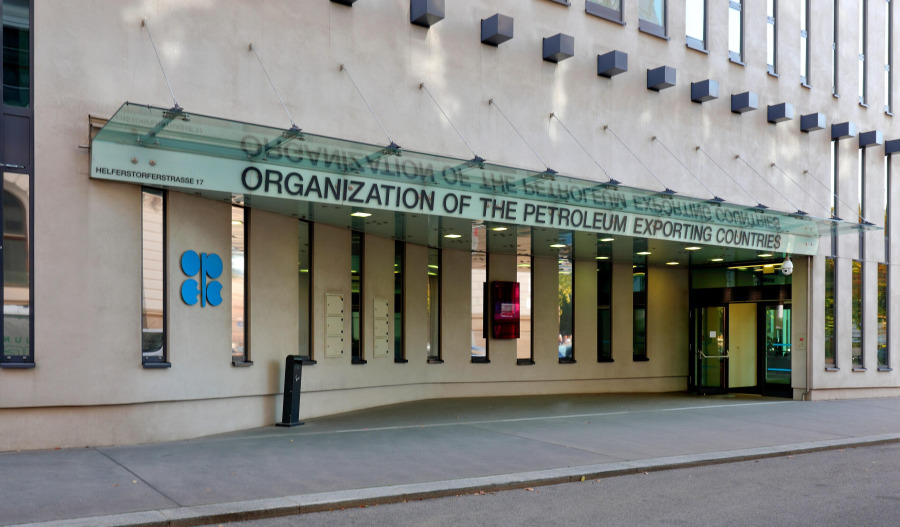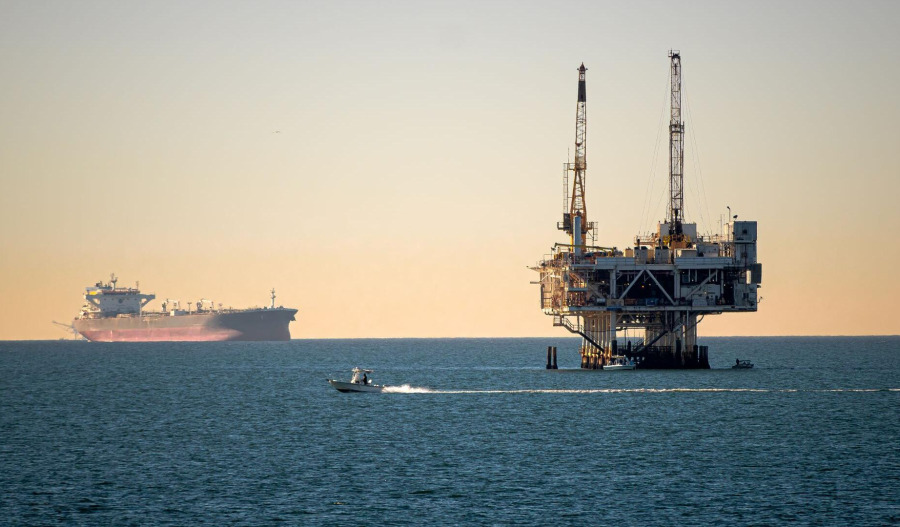
Oil prices edged lower during Monday's Asian trading session after the Organization of the Petroleum Exporting Countries (OPEC+) agreed to further increase production targets from August, while a slower-than-expected recovery in exports through the Strait of Hormuz continued to temper expectations of a significant increase in global crude supplies.
By 2:50 pm AEST (4:50 am GMT), Brent crude futures were down 27 cents, or 0.4%, at US$71.85 a barrel, while U.S. West Texas Intermediate crude slipped 12 cents, or 0.2%, to $68.57 a barrel.
There was no settlement for WTI on Friday as U.S. markets were closed for the Independence Day holiday.
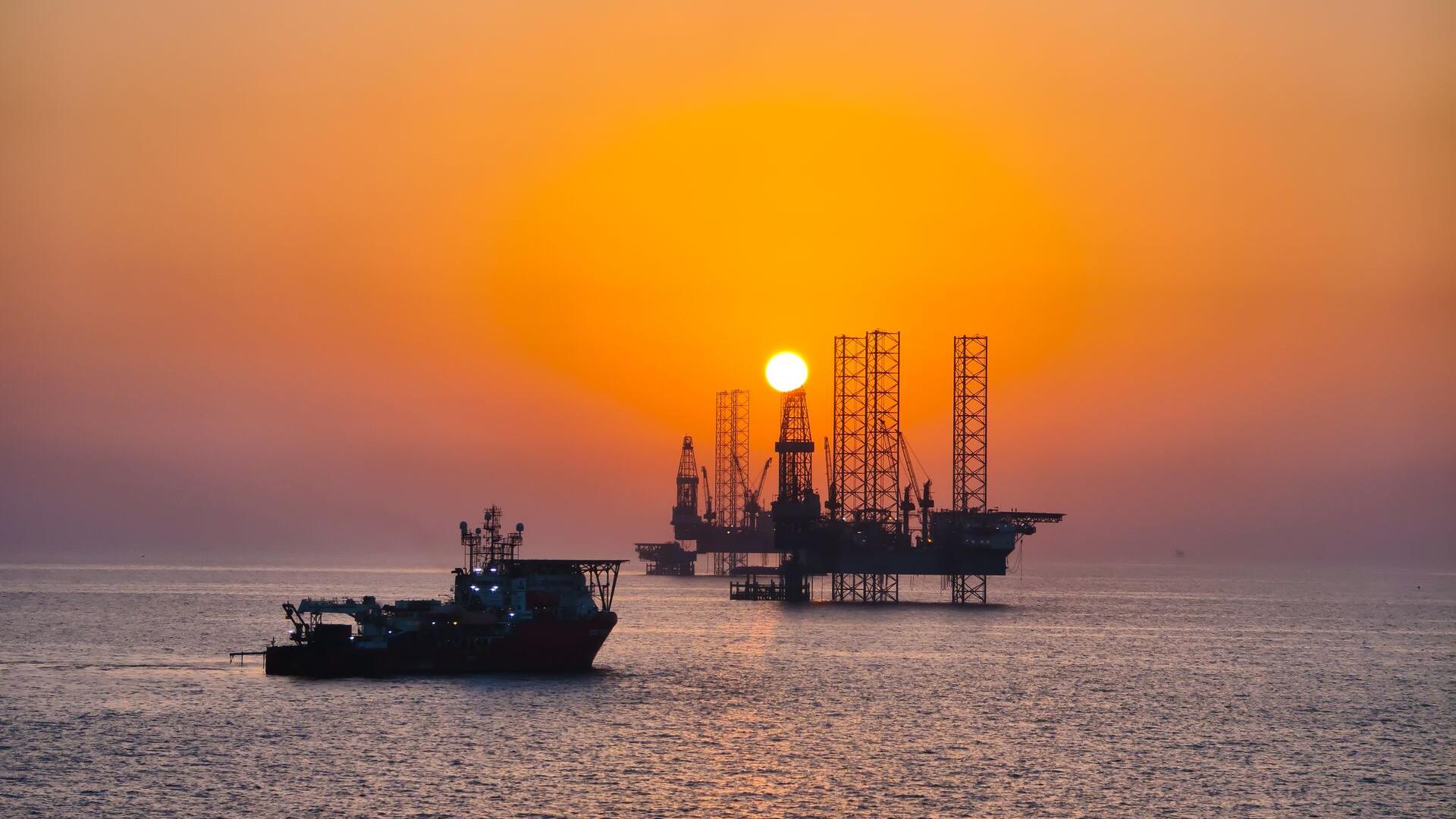
Both benchmark contracts were little changed over the past week after declining in recent weeks, with investors continuing to monitor negotiations between the United States and Iran over the future of shipping through the Strait of Hormuz, while assessing the pace of recovery in Gulf oil exports.
ANZ commodity strategists said the recovery in regional exports remained slower than many had anticipated.
"Recovery in Middle East oil flows is proving slower than expected. The initial rebound in tanker transits through the Strait of Hormuz has stalled, with vessel crossings remaining in single digits and no sustained recovery evident.

"While the interim U.S.-Iran agreement has reduced immediate geopolitical risks, shipping operators remain cautious, limiting the speed at which crude exports can return to normal levels."
They added that physical supply conditions continued to provide support for refined fuel markets despite easing geopolitical tensions.
"The oil market remains caught between improving geopolitical sentiment and still-tight physical fundamentals. Crude prices have largely unwound the conflict-related risk premium, but constrained Middle East exports, ongoing inventory drawdowns and elevated refining margins suggest that product markets remain vulnerable to further supply disruptions and may continue to outperform crude."
Over the weekend, OPEC+ agreed to increase collective production targets by a further 188,000 barrels per day from August, following similar output increases implemented for June and July.
However, much of the additional production has yet to reach global markets because of disruptions caused by the United States-Israeli conflict with Iran.
The closure of the Strait of Hormuz to tanker traffic during the conflict curtailed exports from several major OPEC producers, including Saudi Arabia, Kuwait and Iraq, limiting their ability to increase supply despite higher production quotas.
The United Arab Emirates officially exited OPEC on 1 May, leaving the remaining core producers to continue managing the group's phased production increases as oil markets adjust to gradually recovering Middle Eastern exports.