Oil prices edged higher during Asian deals on Friday as traders covered short positions ahead of the United States Independence Day holiday, while continuing to assess improving oil flows through the Strait of Hormuz and ongoing negotiations between Washington and Tehran.
By 2:55 pm AEST (4:55 am GMT), Brent crude futures were up 48 cents, or 0.7%, at US$72.28 a barrel, while West Texas Intermediate crude futures gained 39 cents, or 0.6%, to US$69.08 a barrel.
Despite the gains, both benchmarks posted weekly declines, with Brent falling 0.4% and WTI ending the week 0.8% lower.
Market participants attributed the modest rise largely to short-covering ahead of the long U.S. holiday weekend.
Investors also continued to monitor diplomatic efforts aimed at securing a permanent peace agreement between the United States and Iran following the four-month conflict that disrupted shipping through the Strait of Hormuz.
Qatar, which is acting as a mediator, said the two sides had made progress in recent discussions.
The talks made "positive progress" on matters related to the memorandum that halted the war in June, a Qatar Foreign Ministry spokesperson said in a post on X.
However, officials indicated there had been no significant breakthrough towards a comprehensive peace agreement.

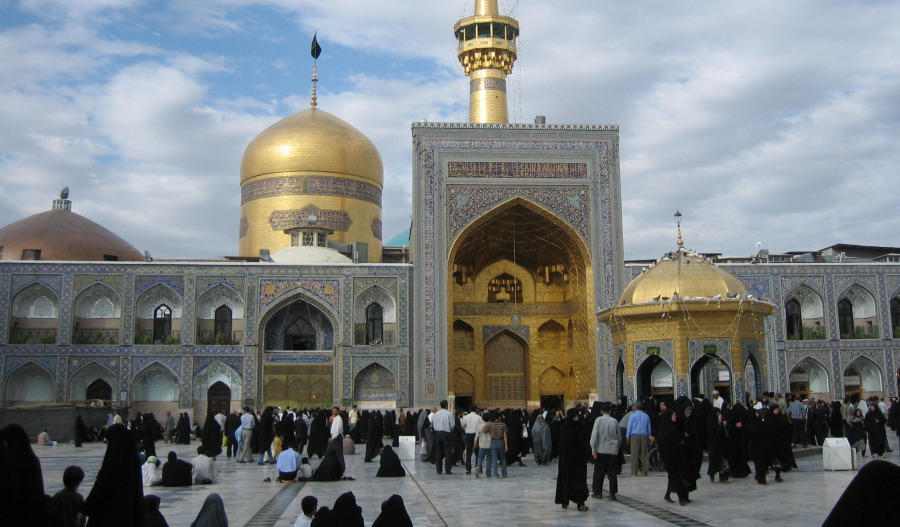
The Qatari Foreign Ministry said the next round of negotiations between U.S. and Iranian officials would take place after the funeral ceremonies for Iran's late Supreme Leader Ayatollah Ali Khamenei conclude on 9 July.
Commodity strategists at ING noted in The Commodities Feed:
“The oil market is on course for its fourth consecutive week of declines as flows through the Strait of Hormuz continue to normalise.
"The increase in oil flows is putting growing pressure on the front end of the ICE Brent forward curve. It’s increasingly moving into contango, a sign of an oversupplied prompt market. The return of this supply coincides with continued SPR releases.
"Yet with the flat price falling and the forward curve moving into contango, we could start to see more buying in the market.”
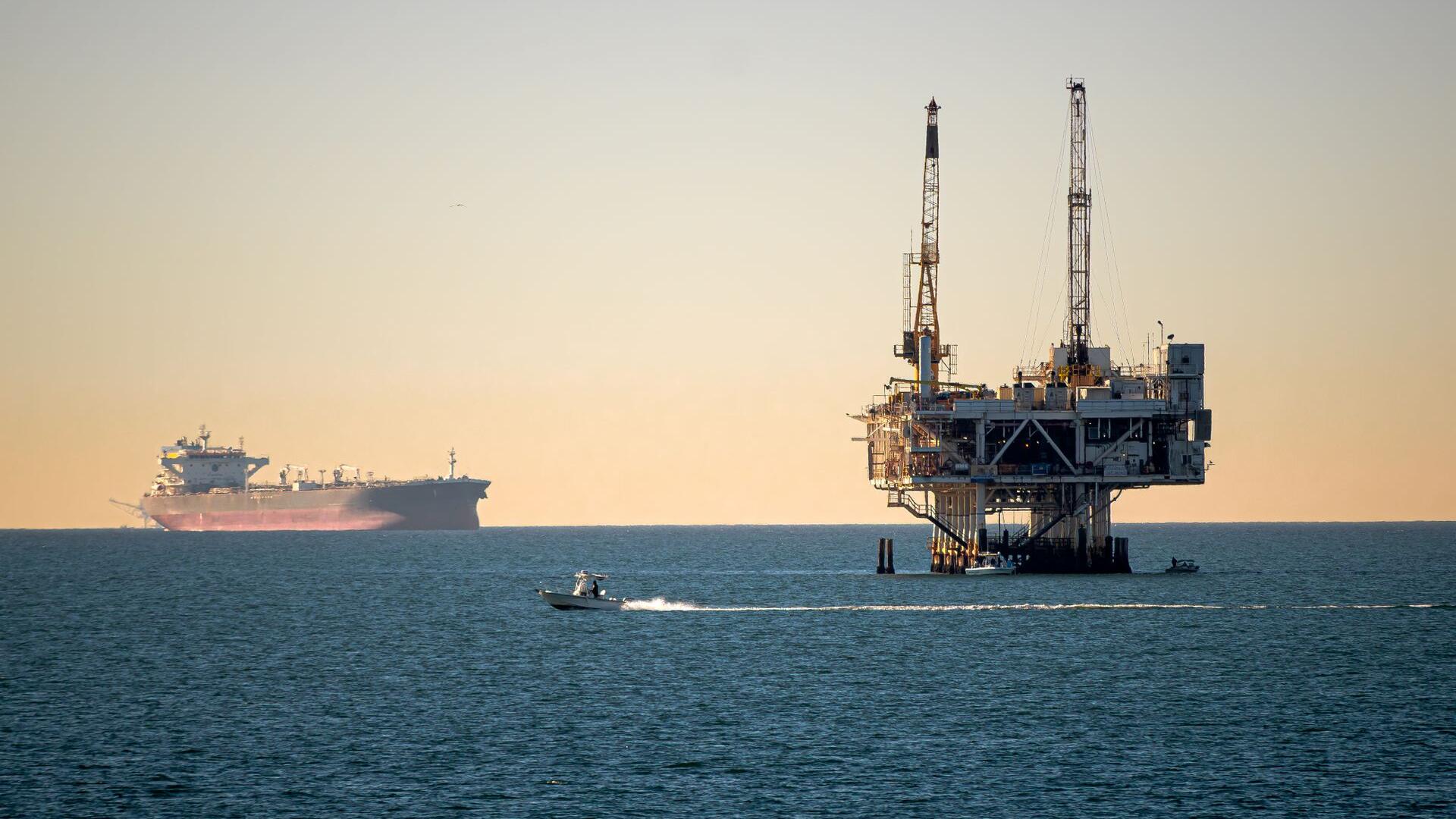
Shipping data cited by Reuters showed at least five supertankers carrying a combined 10 million barrels of Saudi crude had departed Ras Tanura and exited the Strait of Hormuz.
Saudi Aramco has also reportedly shifted to spot pricing in an effort to accelerate crude sales into Asian markets.
Separately, Nigeria became the first member of the Organization of the Petroleum Exporting Countries (OPEC) to join the International Energy Agency (IEA) as an associate member, strengthening ties between the global energy watchdog and Africa's largest oil producer.
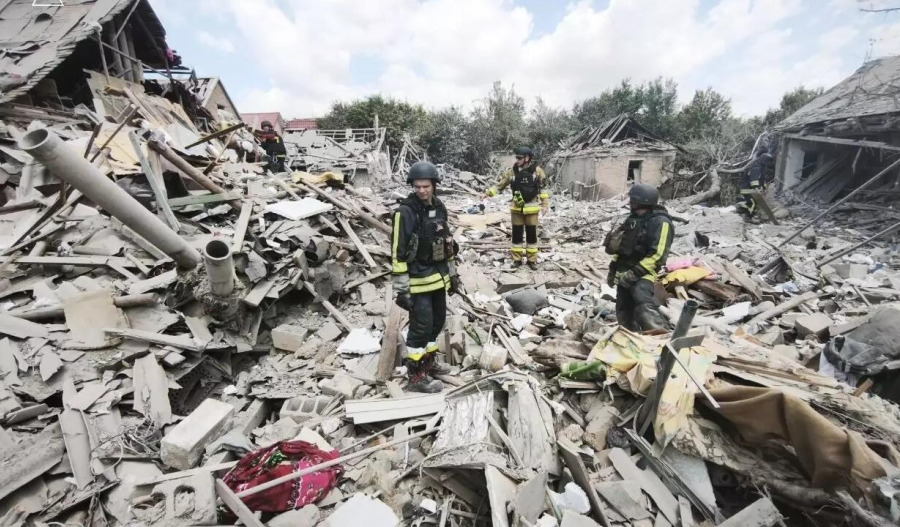
Meanwhile, geopolitical risks remained in focus after Ukraine's General Staff said Ukrainian forces had struck Russia's Lukoil-Nizhegorodnefteorgsintez oil refinery in the Nizhny Novgorod region, targeting another piece of Russia's energy infrastructure.