Oil prices fell during Friday's Asian deals, on track to snap a two-week winning streak, despite settling higher in the previous session after a report that United States President Donald Trump was not interested in returning to previous deal terms with Iran.
By 3:20 pm AEST (5:20 am GMT), Brent crude futures for November had fallen 16 cents, or 0.2%, to $88.36 a barrel, while West Texas Intermediate (WTI) crude futures declined 25 cents, or 0.3%, to $83.28 a barrel.
For the week so far, Brent and WTI futures have declined 6.5% and 4.5%, respectively.
ING commodities strategists noted in The Commodities Feed:
"The renewed strength comes after reports that President Trump told mediators the U.S. has no intention of returning to the terms of the June Memorandum of Understanding.
"Instead, he indicated, the U.S. is happy to see whether growing economic pressure on Iran yields better results. Optimism grew through the week amid efforts to restart talks. Clearly, this optimism has started to wane.
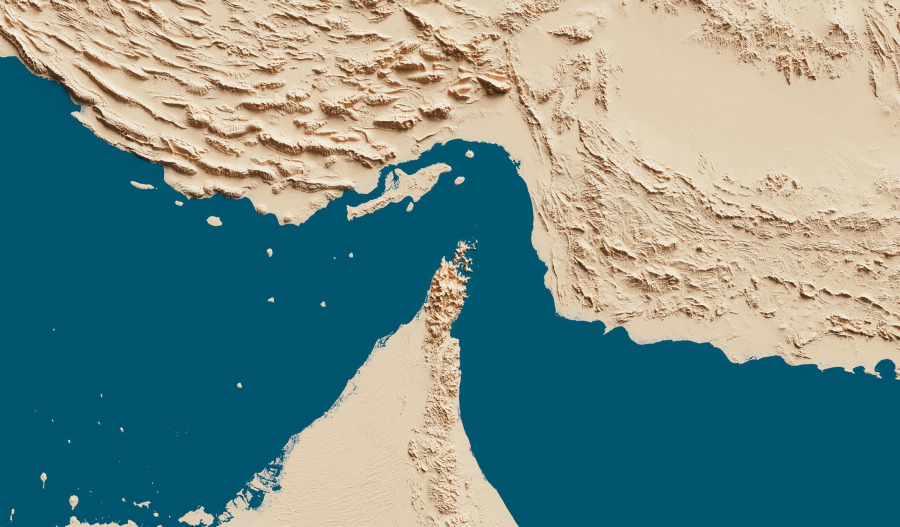
"Despite diplomatic efforts hitting a roadblock, there are growing signs of additional oil flowing through the Strait of Hormuz. We’ve been assuming oil flows through this key chokepoint have averaged 5m b/d. However, some suggest volumes could be as high as 6-8m b/d.

"More Persian Gulf oil producers seem to be shuttling their crude through the strait, while producers in the region are increasingly selling their crude outside the Strait of Hormuz.
"As the conflict persists, producers are adapting to the new realities and becoming increasingly comfortable navigating the strait. However, we’re clearly still far from normalisation."
Washington said on Thursday that it was not holding talks with Iran, despite diplomatic efforts by other countries to bring the two sides back to negotiations.
On Monday, the U.S. announced what it described as the "toughest sanctions in history" on Iran. Tehran called the measures an "inhumane and hostile act" and said they had lost their effectiveness.
Elsewhere, geopolitical tensions intensified after Moscow warned that it could strike British military targets inside and outside Ukraine in response to attacks by Kyiv on Russian territory using British-supplied long-range cruise missiles.
Trump, however, said Russian President Vladimir Putin would not attack a North Atlantic Treaty Organization (NATO) member, according to Axios reports. He also played down reports that CIA Director John Ratcliffe had warned Russian officials this week against such an attack.
"Ratcliffe sees his Russian counterpart once every six months or once every year. They have a very good relationship. There was no message and there was nothing unusual," Trump said.