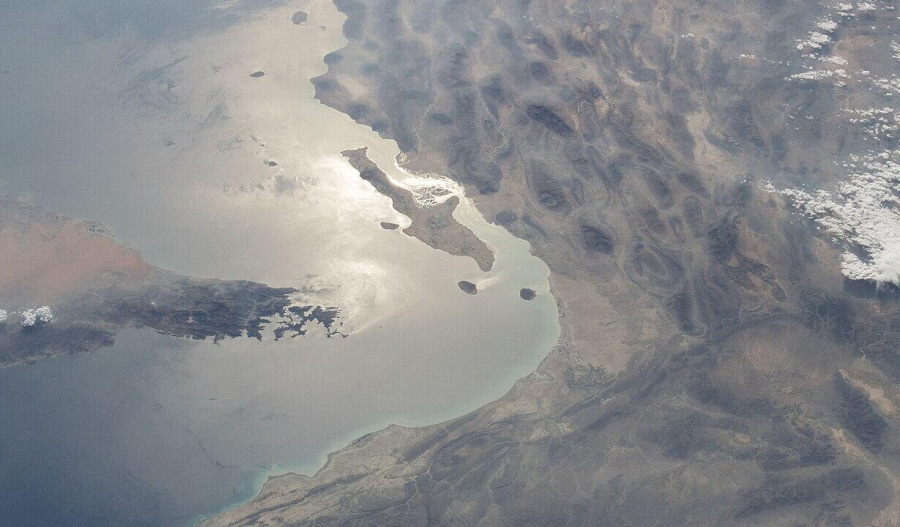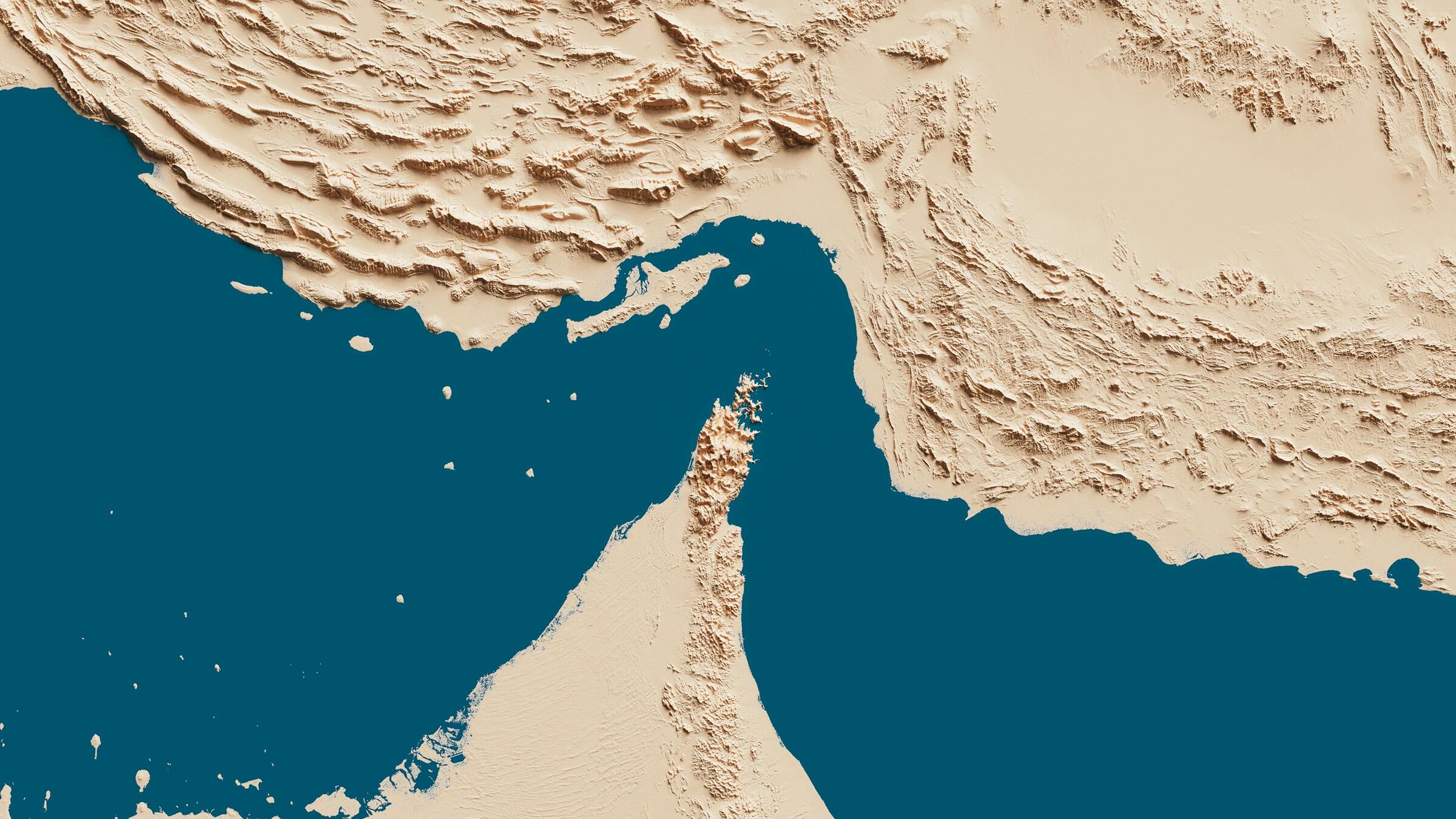
Iran and Oman have reached an understanding on a temporary maritime corridor aimed at allowing commercial shipping to resume through the Strait of Hormuz after several weeks of consultations, Iranian armed forces outlet Defa Press reported on Thursday.
The agreement does not mean the strategic waterway will immediately reopen, with Iranian officials saying a previous arrangement reached with Oman had effectively been rejected by the United States.
Under the new proposal, vessels entering the Persian Gulf from the Gulf of Oman would travel entirely through Iranian territorial waters, while part of the outbound route would also pass through Iranian waters.
The temporary corridor would comprise two-way shipping lanes separated by about two nautical miles, with a total width of roughly seven nautical miles including the lanes and separation zone.
Defa said the route was established following technical assessments by Iranian and Omani officials, with the eventual aim of replacing the temporary corridor with a permanent maritime traffic scheme after further negotiations between Tehran and Muscat.
A key condition for Iran is the formal closure of the southern route through the strait in Omani internal waters, which the U.S. has encouraged commercial vessels to use in recent months.
Tehran considers the route inconsistent with a memorandum of understanding (MoU) signed with Washington.
If implemented, the southern route would be formally closed, and the change reported to the International Maritime Organization. Iran and Oman would then negotiate a replacement for the existing maritime traffic separation scheme, which has been in place for about 58 years.

Those negotiations could take between 30 and 60 days, according to Defa.
Iran has stressed that reopening the Strait of Hormuz remains conditional on the U.S. fulfilling commitments under the previous MoU, including halting threats and military operations.
Tehran is also demanding that Washington lift its naval blockade of Iranian ports and vessels, release frozen Iranian state funds, impose no new sanctions and refrain from increasing its military presence in the region.
According to Defa, Iran wants those commitments to be visible and verifiable before taking reciprocal steps, including implementing the tentative agreement with Oman over control of the strait.
Meanwhile, A total of 75 ships travelling to or from Iranian ports have now been redirected by the U.S. military blockade of the Strait of Hormuz, according to U.S. Central Command (CENTCOM).
The latest figure was the first update since Monday, when CENTCOM said 71 ships had been redirected since the blockade was reinstated on 14 July.
U.S. President Donald Trump again touted the blockade's effectiveness during an Oval Office event on Thursday.
"The Strait of Hormuz is open. We have control and we have the blockade," Mr Trump said. "Iran's not getting anything through. Nothing is getting through. Not one ship has gotten through."