Iran says it is prepared to withstand new United States sanctions, as Washington seeks to increase pressure on Tehran amid the nearly six-month war.
Iranian Economy Minister Ali Madanizadeh said Monday that "The government is and was ready and has a two-year plan to manage these events," adding that Tehran had been "waiting for these plans for a long time".
China warned the U.S. on Tuesday against interfering in its business dealings with Iran, saying its trade with Tehran complies with international law.
Bessent said Monday that Washington would seek to sever Iran's remaining ties with its trade partners as part of a new strategy aimed at breaking the stalemate by increasing economic pressure on Tehran.
Pakistan's interior minister said there had been "significant progress" following a meeting with Iran's president on Tuesday focused on the U.S.-Iran war.
Pakistan played a key mediating role in the memorandum of understanding signed by Washington and Tehran in June.
Meanwhile, Bessent on Tuesday cited comments from Iranian political leaders as evidence that Tehran is "panicking" over the stepped-up sanctions announced by Washington on Monday.
"Iran's leadership is admitting what the world can now see: the pressure is working," Bessent wrote on X, alongside quotes from Iranian Parliament speaker Mohammad Bagher Ghalibaf and President Masoud Pezeshkian expressing a desire for the war to end soon.
"Americans know that no one buys their bombast; the United States is not in an economic position to further restrict its relations with other countries," Ghalibaf said Monday on X.
"Iran's trading partners, both in the media and through messages sent to us, have made it clear that they don't take these statements into account anywhere."
Iran's economy minister said Tuesday that the country had been preparing for sanctions for two years and that the US plan would "suffer yet another defeat."
Iran accuses US of "annihilating" international law
Iran's Foreign Ministry pushed back against the Trump administration's "economic D-Day" on Tuesday, accusing Washington of attempting to bully other countries and disregard their sovereignty.
"When a bully declares that every bank, company, port, and government must choose between obeying Washington's whims or facing American vengeance, this is no longer just about Iran," Foreign Ministry spokesperson Esmaeil Baqaei wrote on X.
"It is about annihilating the most foundational rules of international law and the UN Charter - namely, respect for the sovereign equality and self-determination of all States," he added.
Baqaei also linked the U.S. campaign against Iran to Washington's renewed trade dispute with Canada, describing both as examples of the same approach.
"No decent State that values its sovereignty and national interests will accept the normalisation of such grand lawlessness and systemic bullying," he wrote. "Canada is among those already learning that lesson."

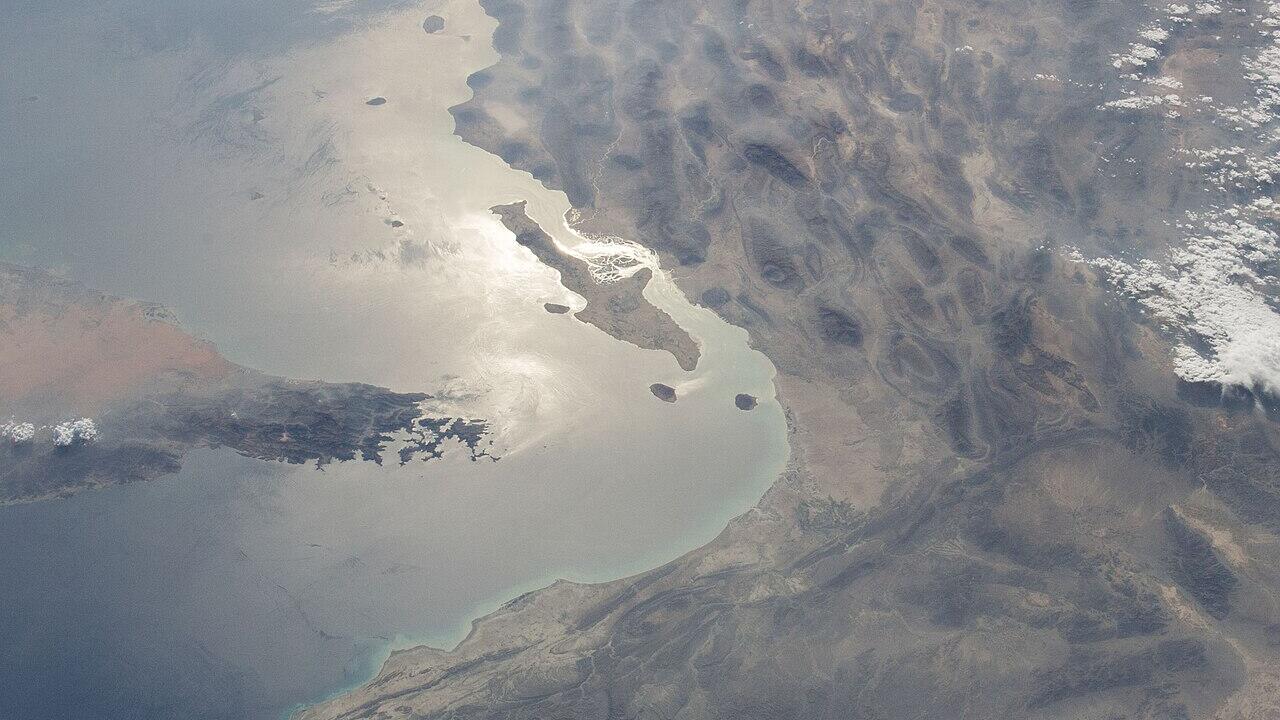
Iran outlines proposed Strait of Hormuz framework
Iranian Foreign Minister Abbas Araghchi said Tuesday that talks with Pakistani and Omani officials had focused on regional solutions and the future of the Strait of Hormuz.
"Iran's commitment to peace and stability is matched by steadfast diplomacy with our neighbors. In talks with Pakistani and Omani guests, regional solutions were stressed," Araghchi wrote in a post on X.
He said discussions included a "proposed framework for new corridor, joint mine-clearing, and future management of Hormuz".