The United States is intensifying economic pressure on Iran as the nearly six-month war enters a new phase, while the ongoing blockade of the Strait of Hormuz continues to disrupt commercial shipping and raise concerns over regional security.
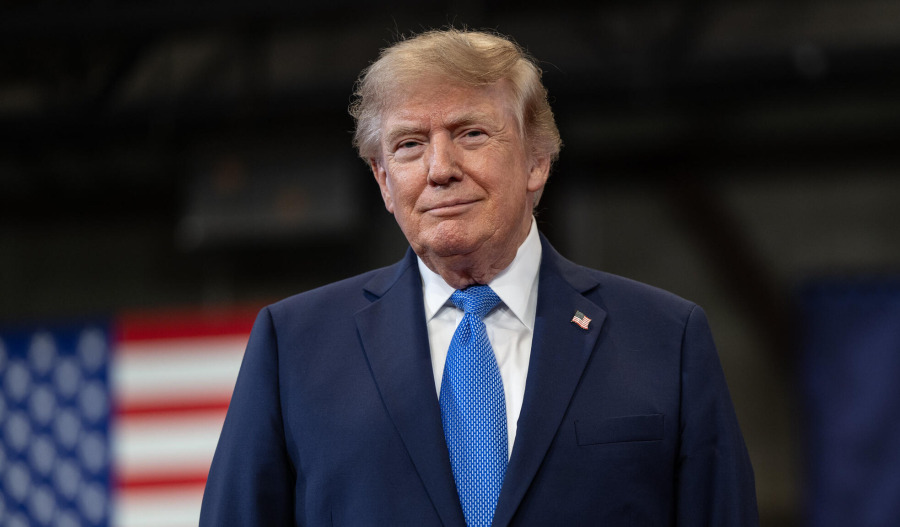
Iran's foreign minister Abbas Araghchi dismissed President Trump's threat to wield "Economic Warfare and Isolation on an unprecedented scale" as a diversion from the growing U.S. national debt and a "doubling down on failed policies".
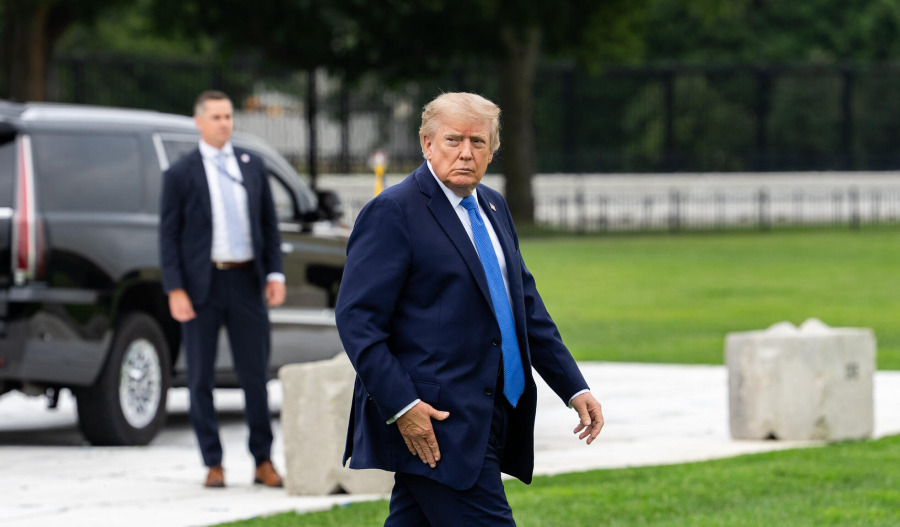
Trump had threatened Iran on Wednesday with "an economic D-Day."
Trump said earlier Wednesday that the U.S. could return to talks with Iran "at some point", but argued the current "situation is so good" that negotiations were not immediately necessary despite the stalemate in the conflict.
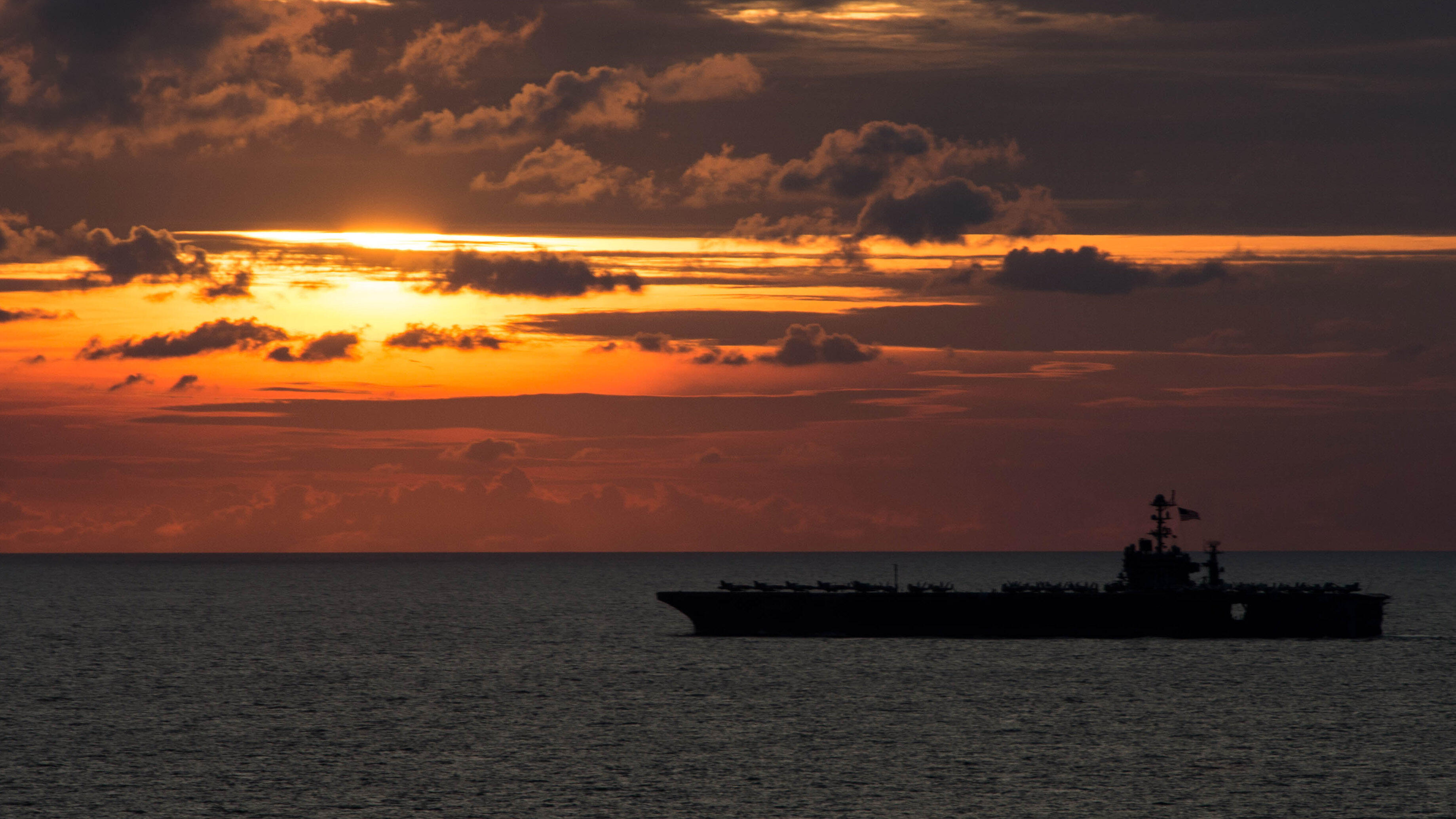
The Pentagon said the USS George Washington aircraft carrier arrived in the Middle East on Wednesday. The carrier will replace the USS Abraham Lincoln, which has been deployed for nearly nine months, with family members raising concerns over deteriorating mental health conditions among its crew.
Vance says war has entered "new phase"
Vice President JD Vance said Thursday that the conflict had entered a "new phase" in which economic pressure was becoming the most effective tool available to the U.S.
"We apply economic pressure to them, they're going to try to apply economic pressure to us," Vance said in an interview on ‘The Clay Travis & Buck Sexton Show’. He described the situation as a "delicate dance", adding that Iran had faced greater pressure than the U.S. in recent weeks.
"We're going to keep that going because we think that's the best way to ultimately accomplish the final objective here," Vance said.

US sanctions Hezbollah cash-smuggling network
The U.S. Treasury Department sanctioned 10 people accused of smuggling millions of dollars in cash to the Iran-backed Hezbollah militia in Lebanon.
The network was previously led by Iranian Gen. Behnam Shahriyari, who was killed in an Israeli airstrike in western Iran in June.
The U.S. has now targeted the same network, including Turkish businessman Yunus Alper Yilmazs, who allegedly manages its courier operation.
Yilmaz is accused of using Turkey-based exchange houses as fronts for business dealings with Iran's Islamic Revolutionary Guard Corps (IRGC).
The other nine sanctioned individuals allegedly acted as couriers, collecting money from the exchange houses before delivering it to Hezbollah.
The Treasury Department said information on the couriers also provided evidence of IRGC involvement in coordinating attacks by Hezbollah and "deep involvement in directing Hizballah's political decision-making".
Hormuz blockade expands to 67 ships
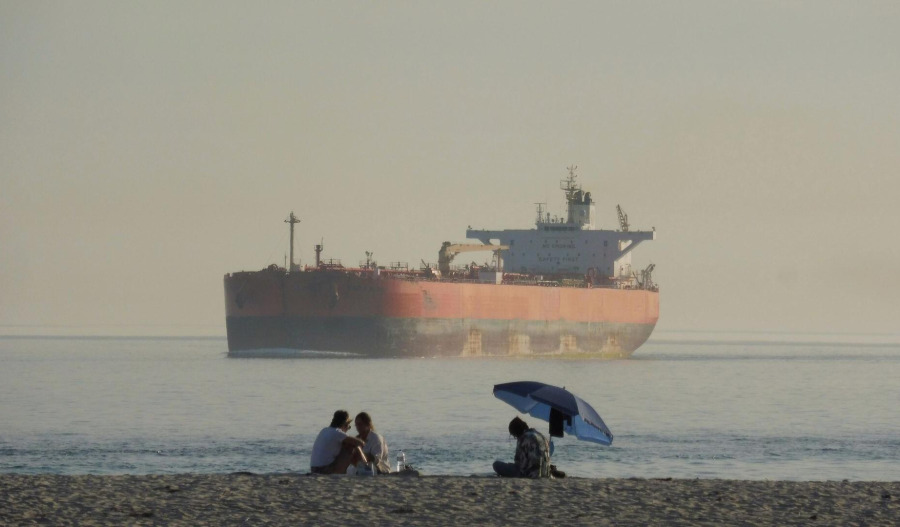
The U.S. blockade of commercial vessels entering and leaving Iranian ports through the Strait of Hormuz had affected as many as 67 ships by Thursday, after two additional vessels were stopped during the previous day, according to U.S. Central Command (CENTCOM).
The blockade was reinstated on 14 July following a brief period in which more vessels were able to pass after the signing of the U.S.-Iran memorandum of understanding.
The Trump administration has shown little indication that it intends to lift the blockade. Treasury Secretary Scott Bessent said Thursday that the measures represented a "one-two punch".
"It is a one-two punch," Bessent told CNBC. "We have the blockade, and we are going to have the toughest sanctions in history."
The USS George Washington and its strike group have now arrived in the region and will participate in the blockade, according to CENTCOM. The carrier is replacing the USS Abraham Lincoln, which has been deployed for a record length of time.
Oman calls for lasting peace to secure Hormuz
Oman's foreign minister said Thursday that safe passage through the Strait of Hormuz could only be guaranteed once lasting peace had been established in the Middle East.
"Achieving sustainable security in the Strait of Hormuz requires establishing lasting peace in the region, through restraint, diplomacy and continuous engagement to address the underlying causes of instability, including policies of exclusion and failure to comply with international law," Omani Foreign Minister Badr Albusaidi was quoted in a CBS News story as saying.
Albusaidi made the comments at a joint press conference with Japanese Foreign Minister Toshimitsu Motegi. Japan is currently negotiating a trade agreement with the Gulf Cooperation Council.
Talks between Oman and Iran over a passage route through the Strait of Hormuz have broken down. However, Albusaidi said Oman has an "aspiration to conduct more constructive talks to reduce escalation as soon as possible, ensure freedom of navigation in the Straits of Hormuz and Bab al-Mandab, and strengthen coordination between the two countries in this regard".
Trump has repeatedly claimed that the U.S. controls the strait and has highlighted efforts to move millions of barrels of oil through the waterway each day. However, the number of commercial vessels exiting the Strait of Hormuz has recently fallen to single digits on several occasions.