President Donald Trump said on Wednesday that the United States could impose further sanctions on Iran, while describing the U.S. Navy's blockade of the Strait of Hormuz as "extremely effective".
Asked about Treasury Secretary Scott Bessent's warning last week that Washington could impose unprecedented sanctions on Iran, Trump said: "We have things that we could sanction … We have very draconian sanctions."
"It will either be extremely good and oil prices are gonna drop like a rock, or we'll continue exactly what we're doing," the president said.
Trump also announced an “economic D-Day” in a post on Truth Social:
“Today, I am announcing the MOST CRUSHING ECONOMIC OPERATION EVER TAKEN AGAINST ANY COUNTRY! This will be Economic Warfare and Isolation on an unprecedented scale.
"Their navy is gone, their air force is destroyed, their military factories are now rubble, their currency is worthless, and their country is hanging by a thread.
"Today, I am also announcing that ANY country that allows its financial institutions, businesses, airports, or government entities to provide any type of lifeline to Iran will itself face TREMENDOUS Economic Consequences.
"Oil smuggling, swap lines, cash transfers, exchange houses, ship registries, front companies — It all needs to stop NOW. You know who you are.

"This will be an ECONOMIC D-DAY, and we need all of our Allies to stand with the United States of America to isolate, and defeat, the Iran threat. ”
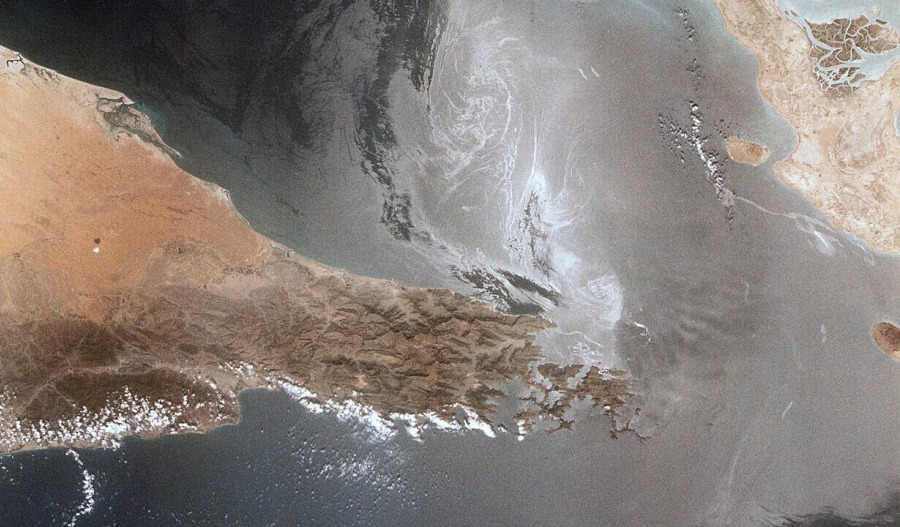
As the war with Iran continues and both sides seek to control the Strait of Hormuz, oil prices have climbed to their highest level since July.
Trump said the Strait of Hormuz would not be "as important as it was in the past", pointing to a record number of oil pipelines under construction.
At least seven major pipeline projects are under construction, in planning or being considered, according to government officials, oil companies and analysts.
However, some projects could take years to provide an alternative route for oil shipments.
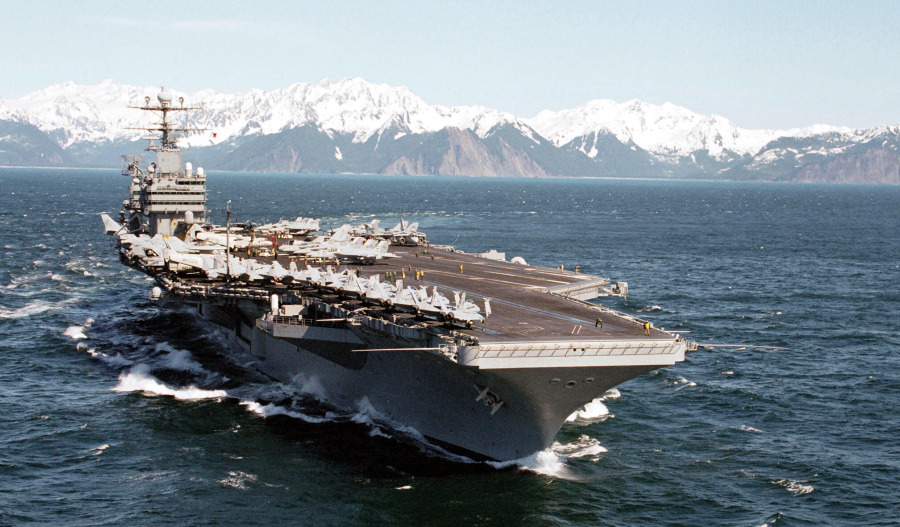
Meanwhile, the U.S. military blockade of the Strait of Hormuz redirected one vessel over the past day, taking the total number of ships prevented from entering or leaving Iranian ports to 65 since the blockade was reinstated on July 14, according to U.S. Central Command (CENTCOM).
Trump has repeatedly cited the blockade as a reason for his lack of concern over stalled negotiations with Iran.
Only 10 commercial vessels were confirmed to have transited the strait on Tuesday. Trump said on Wednesday that the U.S. was working with the Navy to help move oil through the waterway, acknowledging the effort was not perfect but that significant volumes were still getting out.