Oil prices climbed during Thursday's Asian deals, recovering some of the previous session’s losses as investors reassessed the likelihood of a ceasefire in the Middle East and weighed escalating risks to global supply.
By 2:40 pm AEDT (3:40 am GMT), Brent crude futures rose $1.78, or 1.7%, to $104.00 per barrel, while United States West Texas Intermediate crude futures gained $1.44, or 1.6%, to $91.80 per barrel.
The rebound followed a sell-off on Wednesday, when both benchmarks fell more than 2%.
Market sentiment shifted after Iran signalled it was not prepared to engage in direct talks to end the conflict.
Analysts at ANZ said: "However, oil prices unwound moves following reports on Iranian state media that an unnamed senior security official has listed five conditions for the U.S. and Israel to end the conflict.
"Iran also fired a new wave of missiles at Israel, signalling little willingness to compromise. This raised concerns that the fighting continues to escalate, despite talks.
“The emergence of an off-ramp for Trump has seen investors start to unwind long positions in the futures market.”

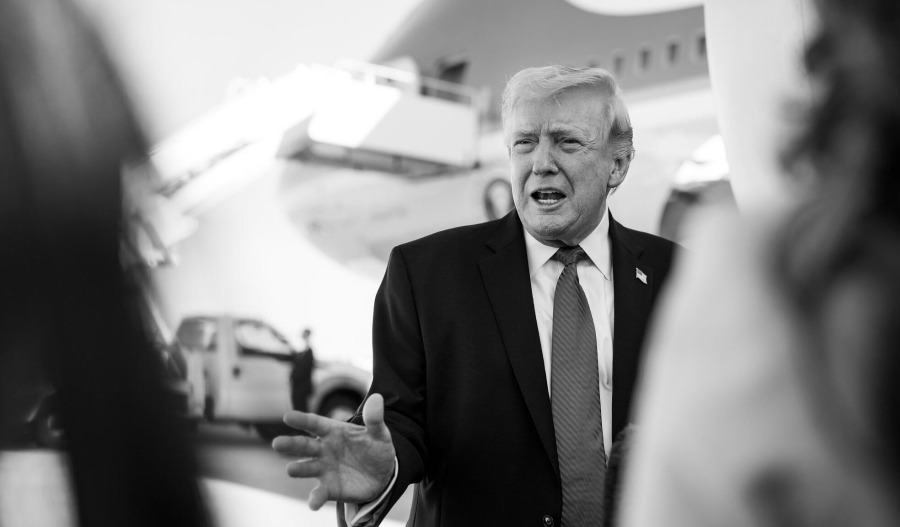
Geopolitical tensions remain elevated, with Donald Trump warning that Washington would intensify its response if Tehran does not accept it has been “defeated militarily”, according to White House press secretary Karoline Leavitt.
Reports indicate that a 15-point proposal put forward by the U.S., delivered via Pakistan, includes measures such as removing Iran’s stockpile of highly enriched uranium, halting enrichment activities, curbing its ballistic missile programme, and cutting funding to regional allies.
Supply disruptions remain a key concern for energy markets. The conflict has severely impacted flows through the Strait of Hormuz, a critical chokepoint that typically carries around one-fifth of global crude oil and liquefied natural gas supplies.
The International Energy Agency has described the situation as the largest oil supply disruption on record.
In a sign of shifting trade dynamics, India has reportedly purchased its first cargo of Iranian liquefied petroleum gas in years after the U.S. temporarily eased sanctions on Tehran’s energy exports.
Japan is also taking precautionary measures, with Prime Minister Sanae Takaichi requesting additional coordinated oil stockpile releases during talks with Fatih Birol, as Tokyo prepares for the possibility of a prolonged conflict.
In the United States, inventory data pointed to rising stockpiles. Crude inventories increased by 6.9 million barrels to 456.2 million barrels in the week ending 20 March, according to the Energy Information Administration (EIA), the highest level since June 2024 and significantly above expectations for a 500,000-barrel rise.