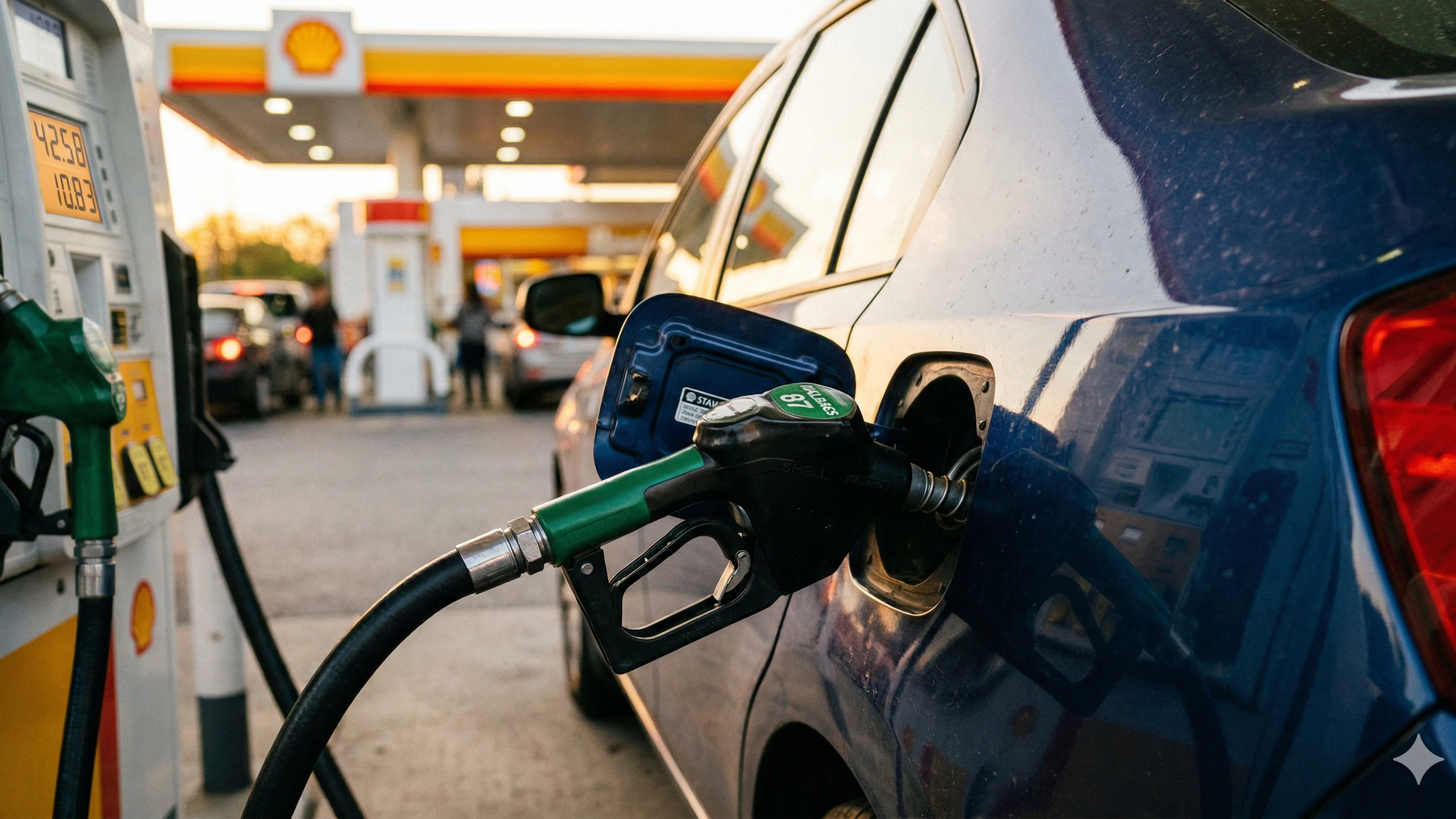
The United States Environmental Protection Agency, directed by the Trump administration, on Wednesday waived summer restrictions on the sale of E15 gasoline - a fuel blended with 15% ethanol - in an effort to ease prices that have surged more than 30% since the Iran war began.
The agency also suspended federal enforcement of certain state fuel requirements and lifted restrictions on E10 blends, effectively allowing the production and distribution of gasoline with 9-15% ethanol content from 1 May through at least 20 May.
EPA Administrator Lee Zeldin said the waivers would prevent fuel supply disruption and that the agency would monitor conditions and extend them if warranted.
The national average for regular gasoline hit US$3.98 per gallon this week, according to AAA - the highest since Russia's invasion of Ukraine in 2022.
Diesel has climbed more than 40% since the war began to $5.37 per gallon.
A familiar playbook, stretched thin
The E15 waiver is not new.
Both Republican and Democratic administrations have issued summer ethanol exemptions in recent years, and bipartisan calls to make the policy permanent have been growing.
The move sits alongside a broader suite of emergency measures: a 172-million-barrel release from the Strategic Petroleum Reserve as part of a coordinated 400-million-barrel IEA drawdown, a Jones Act waiver to allow foreign-flagged vessels to shuttle fuel between U.S. ports, and the lifting of sanctions on Russian crude.
"We do have some ideas on diesel, that we can bring extra diesel to the marketplace," U.S. Energy Secretary Chris Wright told CNBC on Monday.
Wright also said the administration had arranged to replenish the reserve with 200 million barrels within the next year, describing it as coming at no cost to the taxpayer.
The Strait of Hormuz - responsible for roughly 20% of global petroleum shipments - remains effectively closed.
West Texas Intermediate settled at US$96.32/bbl on Wednesday, with Brent having already breached $100 earlier this month.

Limited relief, real trade-offs
GasBuddy analyst Patrick DeHaan noted the impact of the waiver may amount to 5-10 cents per gallon.
Yale School of the Environment professor Kenneth Gillingham pointed out that E15 infrastructure remains patchy and is not available in all states.
"There's more likely to be ozone issues in the summer and some people will die," Gillingham said.
"It will lead to some earlier heart attacks and it will lead to some earlier respiratory issues that wouldn't have been the case otherwise."