
Oil prices traded mixed during Wednesday's Asian session after reports that the International Energy Agency (IEA) is considering the largest emergency oil release in its history to counter supply disruptions stemming from the war involving Iran.
By 2:50 pm AEDT (3:50 am GMT), Brent crude futures were down 12 cents, or 0.1%, at US$87.68 per barrel. U.S. West Texas Intermediate crude traded 12 cents higher, or 0.1%, at US$83.57 per barrel.
According to a report by the Wall Street Journal, the proposed release from strategic reserves would exceed the 182 million barrels that IEA member countries collectively released in 2022 following Russia’s full-scale invasion of Ukraine.
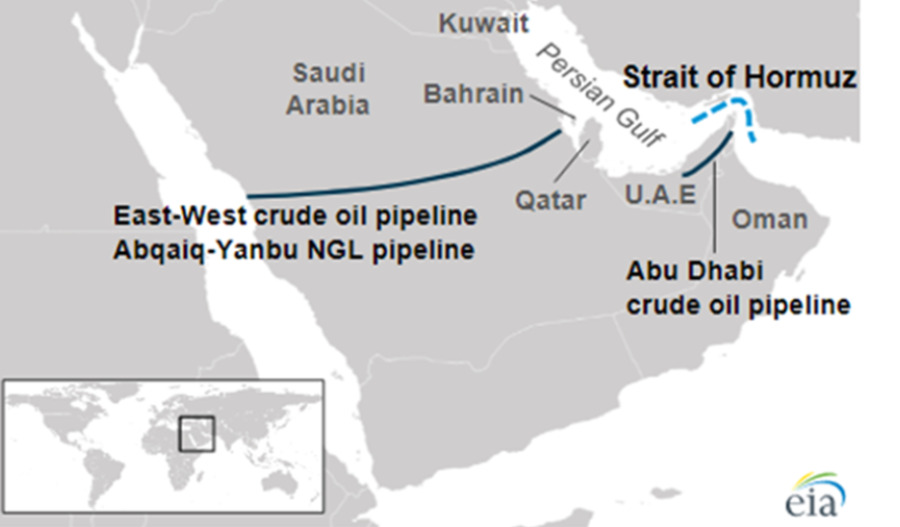
The proposal comes as the conflict involving Iran continues to raise concerns about global oil supply, particularly given the strategic importance of the Strait of Hormuz.
Military activity intensified on Tuesday as U.S. and Israeli forces conducted what the Pentagon described as the most intense strikes of the conflict so far.
The U.S. military also said it had “eliminated” 16 Iranian mine-laying vessels near the Strait of Hormuz, according to the U.S. Central Command.
Trump has repeatedly stated that the United States is prepared to escort oil tankers through the Strait of Hormuz if required.

However, sources told Reuters that the U.S. Navy has declined requests from shipping companies seeking military escorts, saying the risk of attacks is too high for now.
Oil markets have experienced sharp swings this week. Both Brent and WTI futures plunged on Tuesday, marking their steepest percentage decline since 2022.
The drop came a day after Trump predicted the conflict could end quickly and followed a surge on Monday that pushed prices above US$119 a barrel, the highest level since June 2022.
Government officials from the Group of Seven (G7) have since held online discussions about a potential coordinated release of emergency oil stockpiles to stabilise markets and soften the economic impact of supply disruptions.
French President Emmanuel Macron is scheduled to host a video call with other G7 leaders on Wednesday to discuss the effects of the Middle East conflict on energy markets and possible policy responses.
Meanwhile, the conflict has begun to affect energy infrastructure in the region. Abu Dhabi’s state oil company ADNOC has reportedly shut down its Ruwais refinery following a fire triggered by a drone strike at a facility within the industrial complex.
In the United States, fresh data from the American Petroleum Institute showed that US crude inventories fell by 1.7 million barrels on Tuesday, compared with expectations for a 1.4 million barrel increase.