
United States Defence Secretary Pete Hegseth said Tuesday would mark the most aggressive phase yet of American military operations inside Iran.
Speaking at a Pentagon press conference alongside Gen. Dan Caine, chairman of the Joint Chiefs of Staff, Hegseth said the day’s operations would significantly intensify the campaign.
“Today will be yet again our most intense day of strikes inside Iran,” Hegseth said.
The defence secretary said Iran’s military response appeared to be weakening, noting that missile launches had declined over the past day.
“Iran stands alone, and they are badly losing,” Hegseth said.
According to Hegseth, U.S. officials observed that Iran had fired the lowest number of missiles it had been capable of launching since the conflict began, even as Tehran expanded attacks beyond its borders.
He criticised Iran for targeting neighbouring Gulf states, including some that had previously maintained cooperative ties with Tehran.
The Pentagon chief said the United States would intensify its campaign with a surge of airpower designed to achieve three key military objectives.
Those goals, he said, are destroying Iran’s missile stockpiles and its capacity to manufacture additional missiles, destroying its Navy, and permanently denying Iran nuclear weapons forever.
“We’re crushing the enemy in an overwhelming display of technical skill and military force,” Hegseth said. “We will not relent until the enemy is totally and decisively defeated.”
Despite the aggressive rhetoric, Hegseth reinforced the idea that the Trump administration did not intend to pursue prolonged nation-building efforts similar to those undertaken during earlier conflicts in Iraq and Afghanistan under previous administrations.
His remarks echoed comments made by President Donald Trump a day earlier, when the president suggested the war could conclude sooner than initially expected.
Speaking to reporters at his Miami-area golf club on Monday, Trump said the pace of destruction of Iranian military assets had exceeded early projections following the start of U.S. and Israeli attacks on 28 February.

Trump predicted that the war could end “very soon”, citing the rapid degradation of Iran’s military infrastructure.
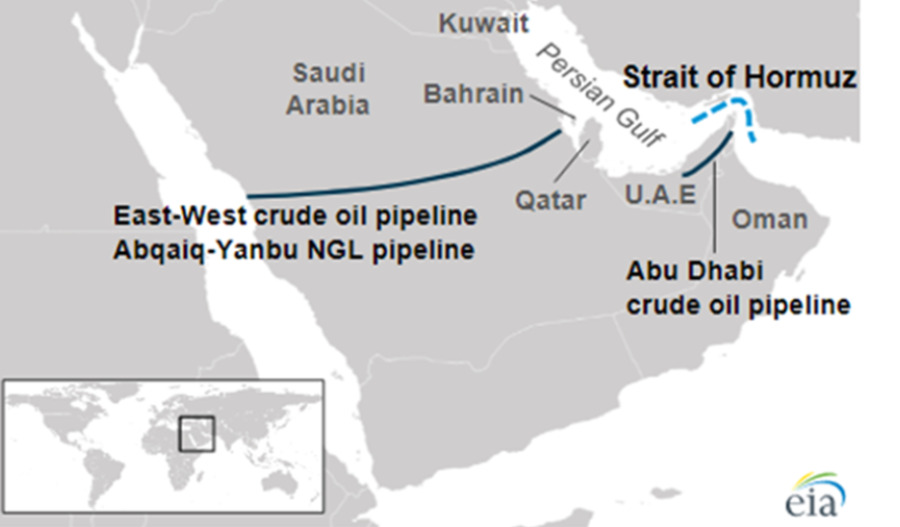
However, he also issued a stark warning to Tehran over global oil supplies, particularly the flow of crude through the strategically critical Strait of Hormuz.
“If Iran does anything that stops the flow of Oil within the Strait of Hormuz, they will be hit by the United States of America TWENTY TIMES HARDER than they have been hit thus far,” Trump wrote later Monday night in a Truth Social post.
Hegseth acknowledged that the pace and duration of the conflict ultimately rest with the president, who retains full authority over operational decisions.
The defence secretary had previously estimated the war could last between three and eight weeks, but he indicated that timeline could shift depending on progress toward military objectives.
Trump now “gets to control the throttle” of the campaign, Hegseth said.
“And so it’s not for me to posit whether it’s the beginning, the middle, or the end,” Hegseth said. “That’s his, and he’ll continue to communicate that.”
As the Pentagon briefing took place, Reuters reported that an Iranian drone attack had ignited a fire at an oil refinery within the Ruwais Industrial Complex in the United Arab Emirates. Officials said no injuries were immediately reported.
Trump also weighed in on Iran’s internal political transition following the reported death of Ayatollah Ali Khamenei at the outset of the war. Iranian authorities subsequently named his son, Mojtaba Khamenei, as the country’s new supreme leader.
In an interview with Fox News, Trump voiced strong scepticism about the new leader’s ability to stabilise the country.
“I don’t believe he can live in peace,” Trump said of Mojtaba Khamenei.
Despite the hardline rhetoric, Trump indicated he remains open to diplomatic engagement if Tehran seeks negotiations.
“I’m hearing they want to talk badly,” he said, adding that “it’s possible” he would be willing to speak with Iran’s leadership.