The International Energy Agency (IEA) held an emergency meeting to assess the situation in the Middle East and discuss a possible release of oil stockpiles.
IEA executive director Fatih Birol said the 32 members would “assess the current security of supply and market conditions” to inform their decision.
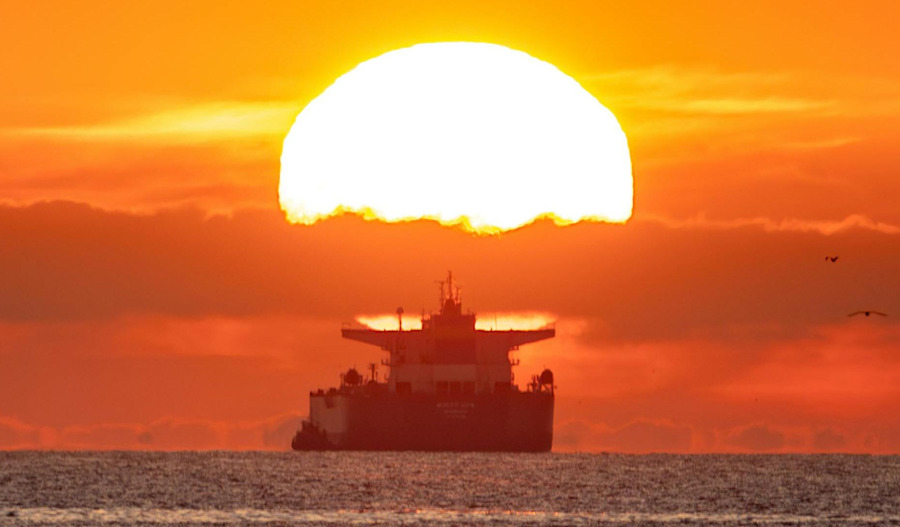
Birol also made it clear that the closure of the Strait of Hormuz has created “significant and growing risks for the market”. Around 20% of the world’s petroleum consumption passed through the Strait before the war in the Middle East broke out.
“We discussed all the available options, including making IEA emergency oil stocks available to the market,” Birol said.
“IEA Member countries currently hold over 1.2 billion barrels of public emergency oil stocks, with a further 600 million barrels of industry stocks held under government obligation.”

IEA members are advanced economies primarily in North America, Europe, and Northeast Asia.
While oil prices reached an all-time high of nearly US$120 per barrel earlier this week, they have fallen more than 11% as the market anticipates a release of oil stocks. The price is now around US$90 per barrel.
G7 members also met earlier this week to discuss energy supplies, but talks ended without an agreement to release strategic crude reserves.
The G7 comprises Canada, France, Germany, Italy, Japan, the UK, and the U.S., which are also IEA members.
According to CNBC, the U.S. believes a joint release of 300 million to 400 million barrels, representing 25% to 30% of the 1.2 billion barrels held in reserve, would be appropriate.
Gulf Arab oil producers have cut output because they are struggling to export their crude through the Strait due to the war.