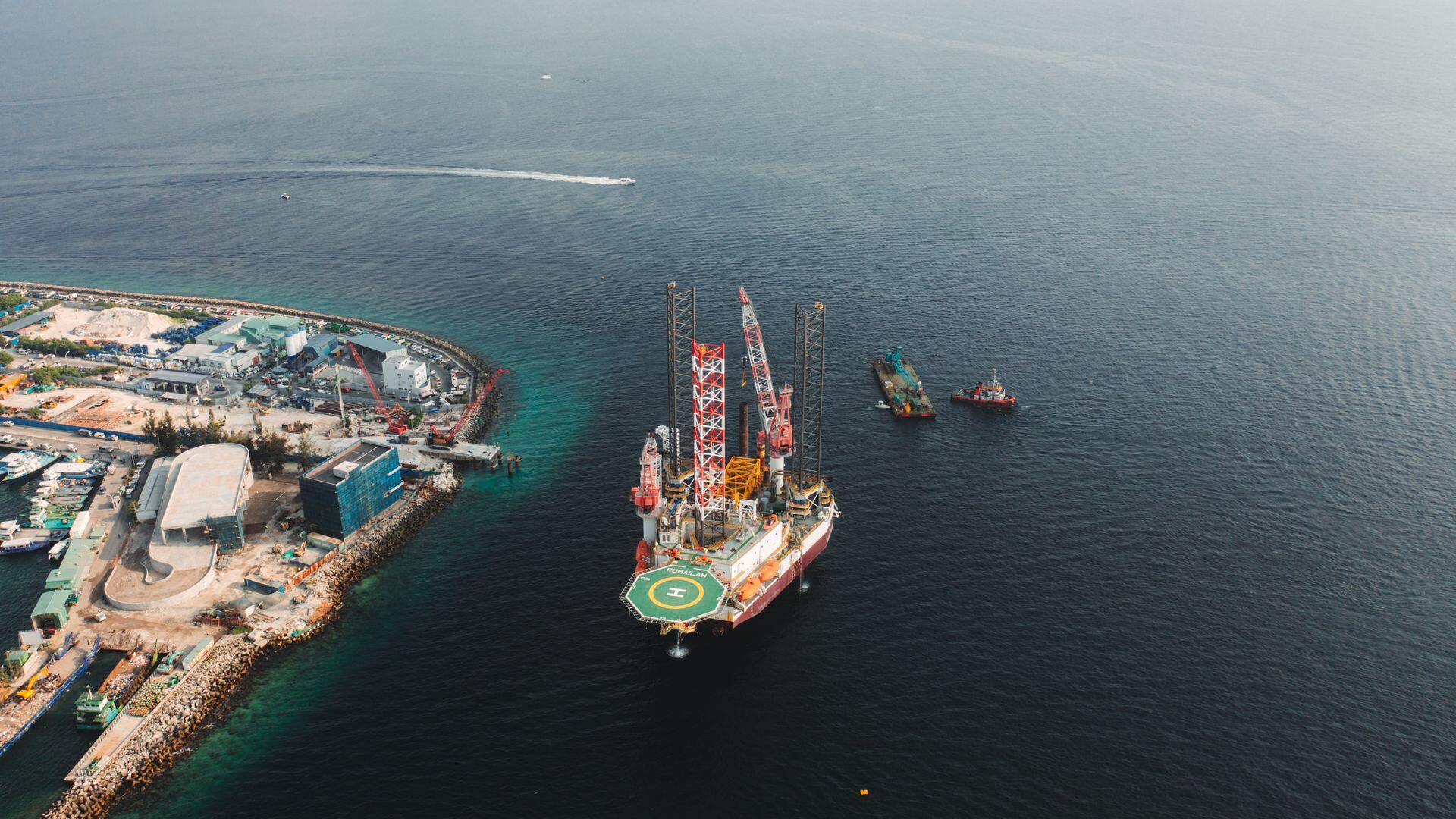
Oil prices edged lower during Wednesday's Asian deals, extending losses from the previous session as investors evaluated the implications of the emerging United States-Iran peace agreement, though uncertainty surrounding the full resumption of shipping through the Strait of Hormuz limited further declines.
By 3:05 pm AEST (5:05 am GMT), Brent crude futures were down 56 cents, or 0.7%, at $78.40 a barrel, while U.S. West Texas Intermediate crude fell 62 cents, or 0.8%, to $75.43 a barrel.
The proposed agreement would see the United States lift its blockade of Iranian ports, while Tehran would restore oil tanker traffic through the Strait of Hormuz, which has been effectively blocked since U.S. and Israeli strikes on 28 February.
Prior to the disruption, approximately one-fifth of global crude oil and liquefied natural gas supplies flowed through the strategic waterway, making its reopening a critical factor for energy markets.
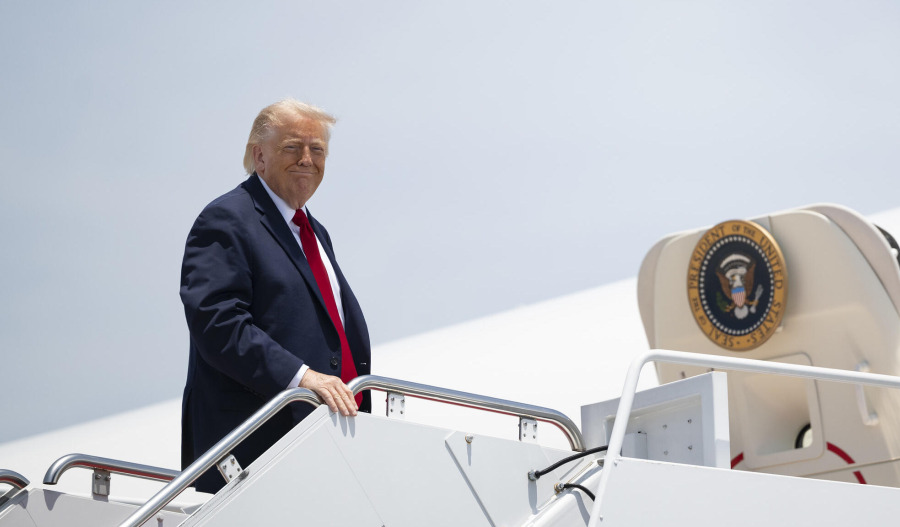
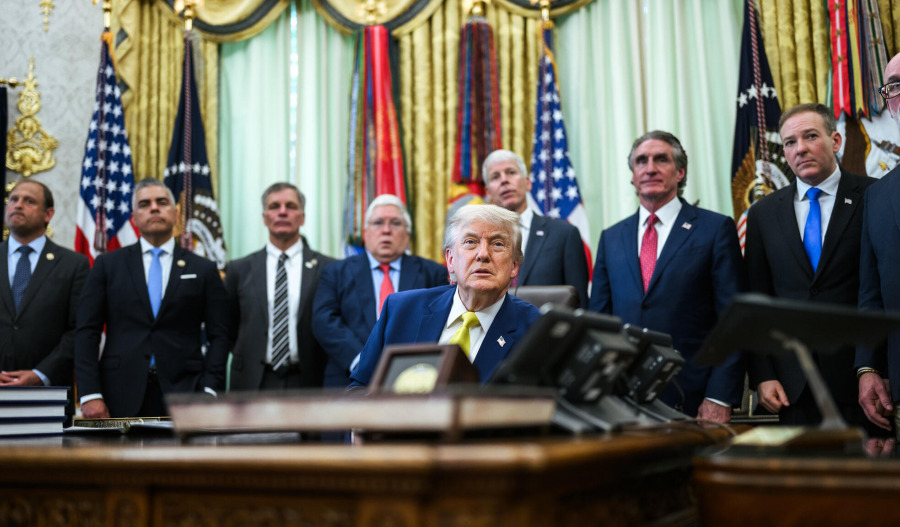
Details of the interim peace agreement began to emerge on Tuesday, with President Donald Trump saying it would prevent Tehran from obtaining a nuclear weapon.
The memorandum of understanding, which has not yet been made public, extends a fragile ceasefire agreed in April by a further 60 days, providing time for negotiations aimed at securing a permanent settlement.
ANZ analysts commented in a note to clients:

"Nevertheless, many questions remain as to how the interim U.S.-Iran deal will be implemented. Concerns over the safety of vessels remains high, while there is some doubt as to whether the chokepoint for a fifth of the world’s supply will remain toll-free.
"Shipping companies have indicated they need further details and assurances that the key waterway is free of mines before they resume transits on a large scale.
"Even then, the road to recovery will be challenging. We don’t expect supply from the Persian Gulf to be back to anything near pre-conflict levels until well into 2027."
The outlook remains clouded by ongoing regional tensions. Israel has distanced itself from both the April ceasefire and the latest U.S.-Iran agreement, fuelling uncertainty about whether the arrangement can be maintained.
On Tuesday, Israeli drone strikes targeted three vehicles in southern Lebanon, killing at least four people and injuring others, according Reuters, citing Lebanon's National News Agency.
Meanwhile, U.S. inventory data offered some support to crude prices. The American Petroleum Institute (API) reported that US crude oil stocks fell by 8.3 million barrels in the week ended 12 June.
The decline was significantly larger than market expectations for a drawdown of 4.5 million barrels. Investors are now awaiting official inventory figures from the Energy Information Administration (EIA), due later in Wednesday's U.S. session (Thursday AEST), for further confirmation of supply trends.