Oil prices extended their gains during Monday’s Asian trading session as the conflict involving the United States, Israel and Iran entered its third week, raising concerns about potential damage to oil infrastructure and prolonging disruptions to shipments through the Strait of Hormuz.
By 3 pm AEDT (4 am GMT), Brent crude futures had risen $1.06, or 1%, to $104.20 per barrel, while U.S. West Texas Intermediate crude gained $0.23, or 0.2%, to trade at $98.94 per barrel.
Energy markets remain on edge after shipping traffic through the Strait of Hormuz, one of the world’s most critical oil chokepoints, was effectively halted following U.S. and Israeli strikes on Iranian targets earlier this month.
In response to the surge in prices, the International Energy Agency announced that more than 400 million barrels of strategic oil reserves will soon be released to global markets in an effort to stabilise prices.
According to the agency, supplies from Asia and Oceania will begin flowing immediately, while reserves from Europe and the Americas are scheduled to be released toward the end of March.
Oil prices have surged sharply since the escalation of the conflict. Both Brent crude and U.S. West Texas Intermediate futures have risen more than 40% so far this month, reaching their highest levels since 2022 after Iran halted shipping through the Strait of Hormuz.
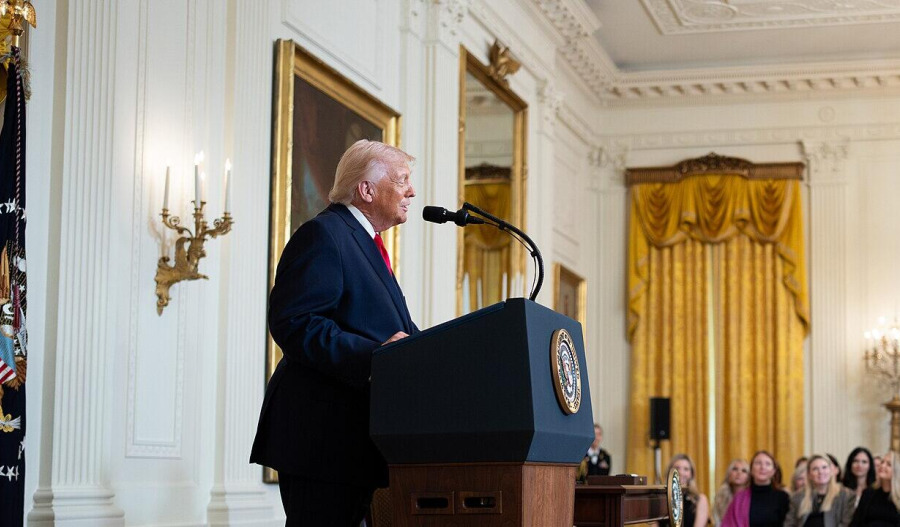
U.S. President Donald Trump has urged allied nations to deploy naval forces to secure the vital maritime route. According to a report by the Wall Street Journal, Washington is preparing to announce a multinational coalition aimed at escorting commercial vessels through the Strait of Hormuz as early as this week.

Trump has also threatened further strikes on Iran’s Kharg Island oil export terminal after the United States targeted military assets on the island over the weekend.
Analysts warn that attacks on energy infrastructure could further escalate the situation and prolong disruptions to oil supply.
ING analyst Warren Patterson noted: “Targeting Iranian oil infrastructure only increases the risk that Iran will further target regional energy infrastructure. This would potentially prolong the recovery of oil flows, even if the Strait of Hormuz reopens,” Patterson said.
Tensions escalated further after Iranian drones struck a major oil terminal in Fujairah in the United Arab Emirates shortly after the attacks on Kharg Island.
Despite the attack, oil loading operations at Fujairah have since resumed, according to a Fujairah-based industry source cited by Reuters on Sunday.
The port of Fujairah lies outside the Strait of Hormuz and serves as the export outlet for roughly 1 million barrels per day of the UAE’s flagship Murban crude.
That volume represents approximately 1% of global oil demand.
U.S. Energy Secretary Chris Wright said on Sunday he expects the conflict with Iran to end within “the next few weeks”, predicting that oil supplies would recover and energy prices would ease once the situation stabilises.