The Trump administration is preparing to announce a multinational naval coalition to escort commercial vessels through the Strait of Hormuz, according to United States officials cited by the Wall Street Journal, as escalating attacks on shipping threaten one of the world’s most critical energy chokepoints.
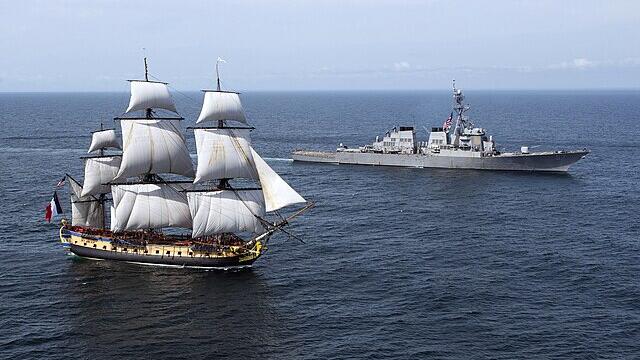
The proposed coalition would involve several allied navies providing armed escorts to oil tankers and cargo vessels transiting the narrow waterway along Iran’s southern coast.
Officials told the newspaper the announcement could come as early as this week, although discussions remain underway about whether the mission would begin immediately or only after hostilities with Iran subside.
The plan reflects mounting pressure on Washington to stabilise maritime traffic through the strait, which normally carries around 20% of global oil and liquefied natural gas shipments.
Disruptions since the outbreak of conflict between the United States, Israel and Iran in late February have severely constrained tanker movements and triggered sharp rises in global oil prices.
Iran has threatened to target vessels linked to the U.S., Israel or their allies and has warned it could lay naval mines in the strait.
At least 16 commercial tankers have been attacked since the conflict began, prompting many shipping companies to halt or delay transit through the corridor.
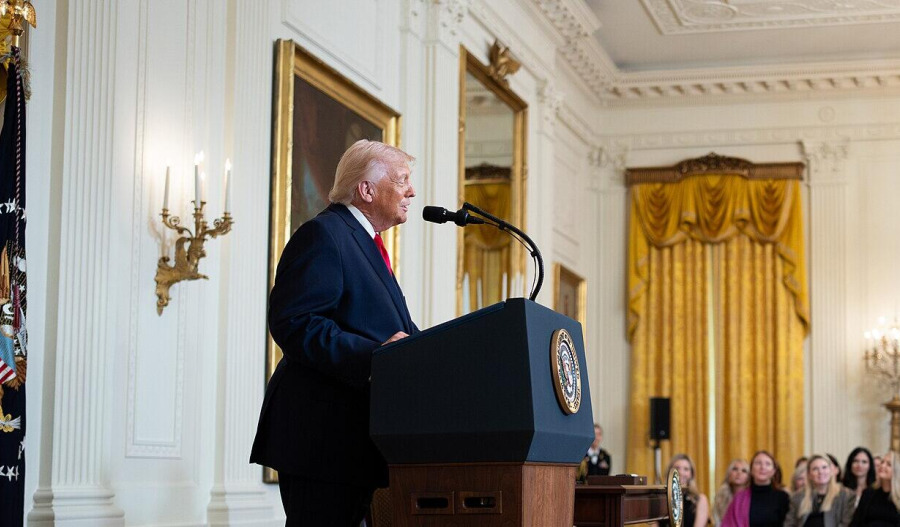
Speaking on CNN’s State of the Union, U.S. ambassador to the United Nations Mike Waltz said Washington was urging allied participation in a maritime security effort.

“Iran can’t hold your economies hostage,” he said, adding that the U.S. “welcomes, encourages and even demands” international support to protect shipping.
The White House has not publicly confirmed details of the proposed coalition and declined to comment on the reported announcement, noting that operational decisions could depend on battlefield conditions.
U.S. officials have indicated the American military has not yet begun escorting commercial tankers through the waterway.
International response to Washington’s request has so far been cautious.
Governments in the UK, Japan, South Korea and China have said they are reviewing potential contributions but have stopped short of committing warships while the conflict continues.
Britain’s Ministry of Defence said it was discussing “a range of options to ensure the security of shipping in the region”.
UK Energy Secretary Ed Miliband told the BBC that measures under consideration include mine-hunting drones and other maritime security capabilities.
Japan has similarly signalled reluctance to deploy naval assets immediately.
Takayuki Kobayashi, chair of the ruling Liberal Democratic Party’s policy research council, told Japanese broadcaster NHK that while a deployment could not be ruled out legally, the threshold for such a move was “very high” while the conflict persists.
However, France has ruled out sending warships to the strait during active hostilities.
French Defence Minister Catherine Vautrin said Paris would maintain a “purely defensive position”, though President Emmanuel Macron has suggested an escort mission could be considered once the most intense phase of the conflict subsides.
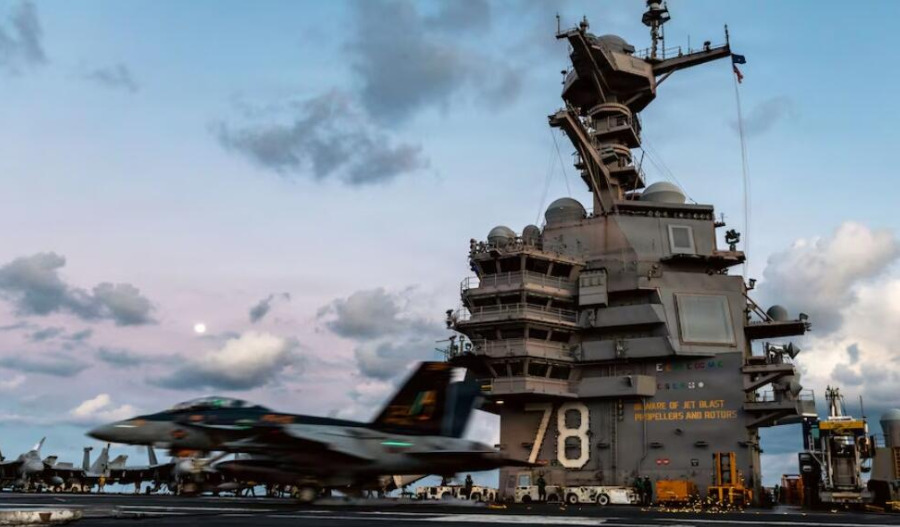
Military analysts say any convoy operation would require extensive preparation, including suppressing Iranian missile, drone and mine-laying capabilities before naval escorts could safely guide merchant ships through the narrow 21-mile passage.
The U.S. last carried out a comparable escort mission in the Gulf during the late stages of the Iran-Iraq war in 1987, when U.S. warships protected Kuwaiti oil tankers from Iranian attacks in an operation that involved dozens of vessels and several direct confrontations with Iranian forces.