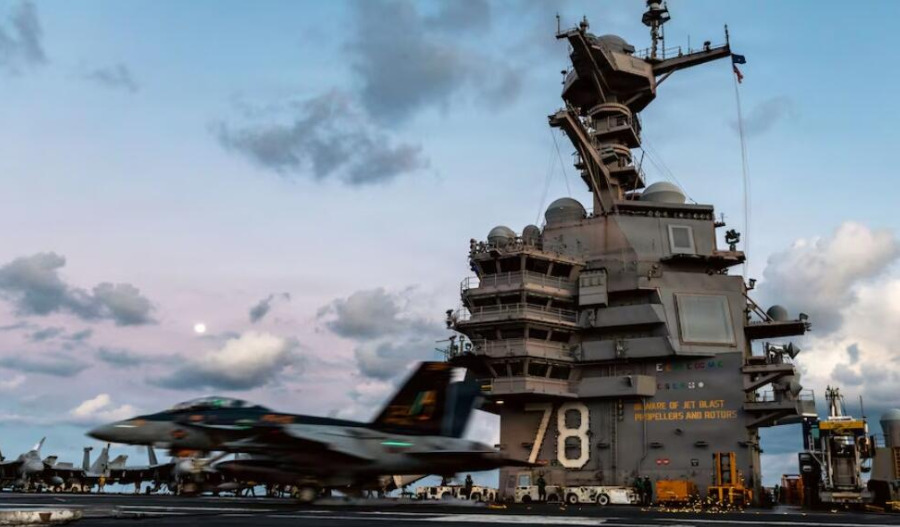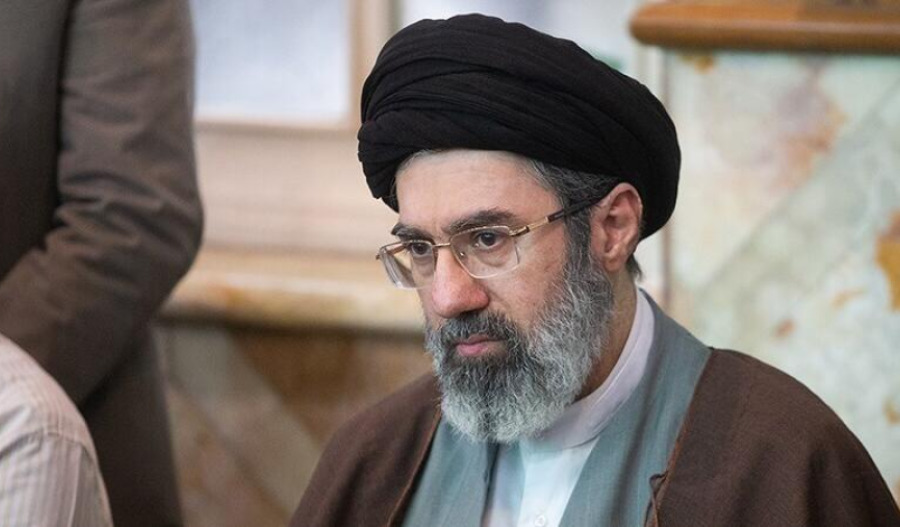
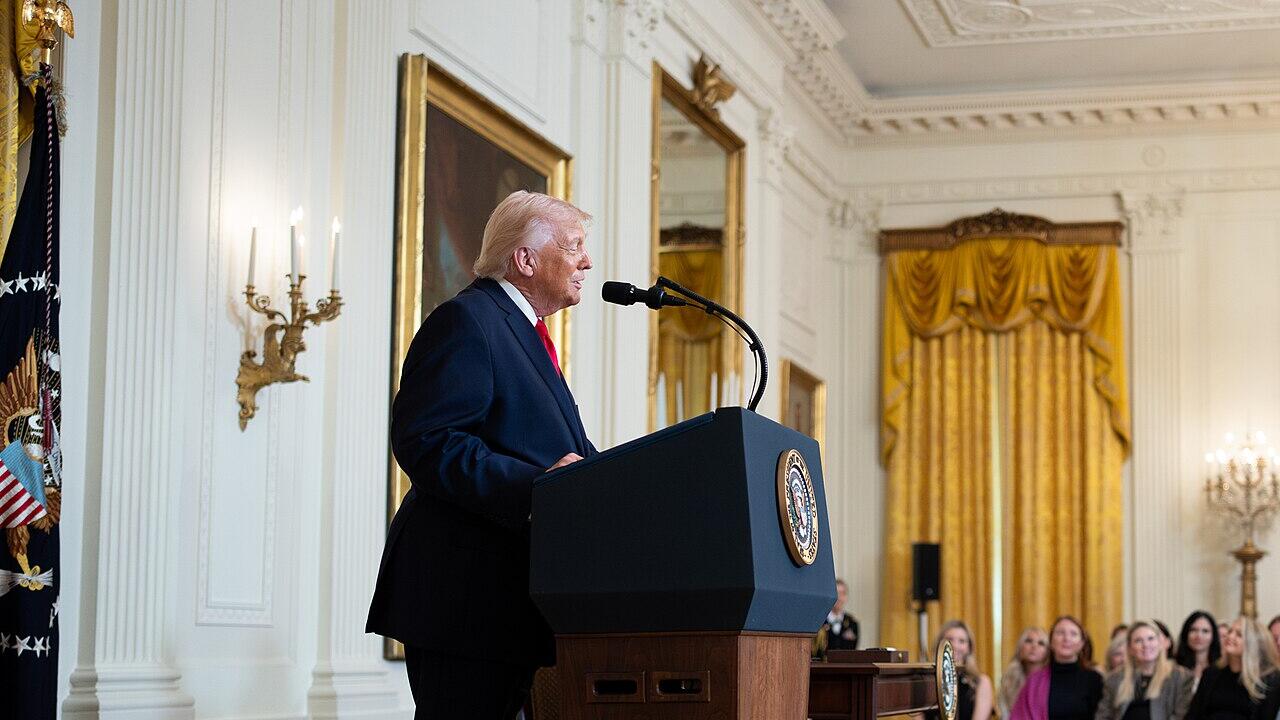
United States President Donald Trump has changed his tune on the Iran war, going from saying it will end soon to urging European and Gulf allies to help.
The war has resulted in the closure of the Strait of Hormuz, which is where around a fifth of the world’s oil is shipped through.
Trump has urged allies of the U.S. to send warships to the strait.
“Hopefully, China, France, Japan, South Korea, the UK and others, that are affected by this artificial constraint, will send ships to the areas so that the Hormuz Strait will no longer be a threat by a Nation that has been totally decapitated,” he said in a post to Truth Social.
“In the meantime, the United States will be bombing the hell out of the shoreline and continually shooting Iranian Boats and Ships out of the water.”
Despite Trump's claims that the U.S. has already “destroyed 100% of Iran’s Military capability”, Iran has threatened escalation across the Middle East as retaliation for American airstrikes on its energy hub.
The conflict has now dragged into its third week, with no sign of ending.

Three sources familiar with the efforts told Reuters that Trump's administration had rebuffed efforts by Middle Eastern allies to start diplomatic negotiations aimed at ending the war.
Iran is also likely to reject the possibility of any ceasefire until U.S. and Israeli airstrikes end.
“We have never asked for a ceasefire, and we have never asked even for negotiations,” Iranian Foreign Minister Araqchi told CBS’s Face the Nation program.
“We are ready to defend ourselves for as long as it takes.”
The war began on 28 February, killing more than 2,000 people as a result. Most of these people were in Iran, according to reports from governments and state media.
The war has wreaked havoc on the travel industry, with many flights flying over the Middle East being cancelled or delayed and has had a massive impact on the price of oil.
The price of oil is now around US$100 per barrel.