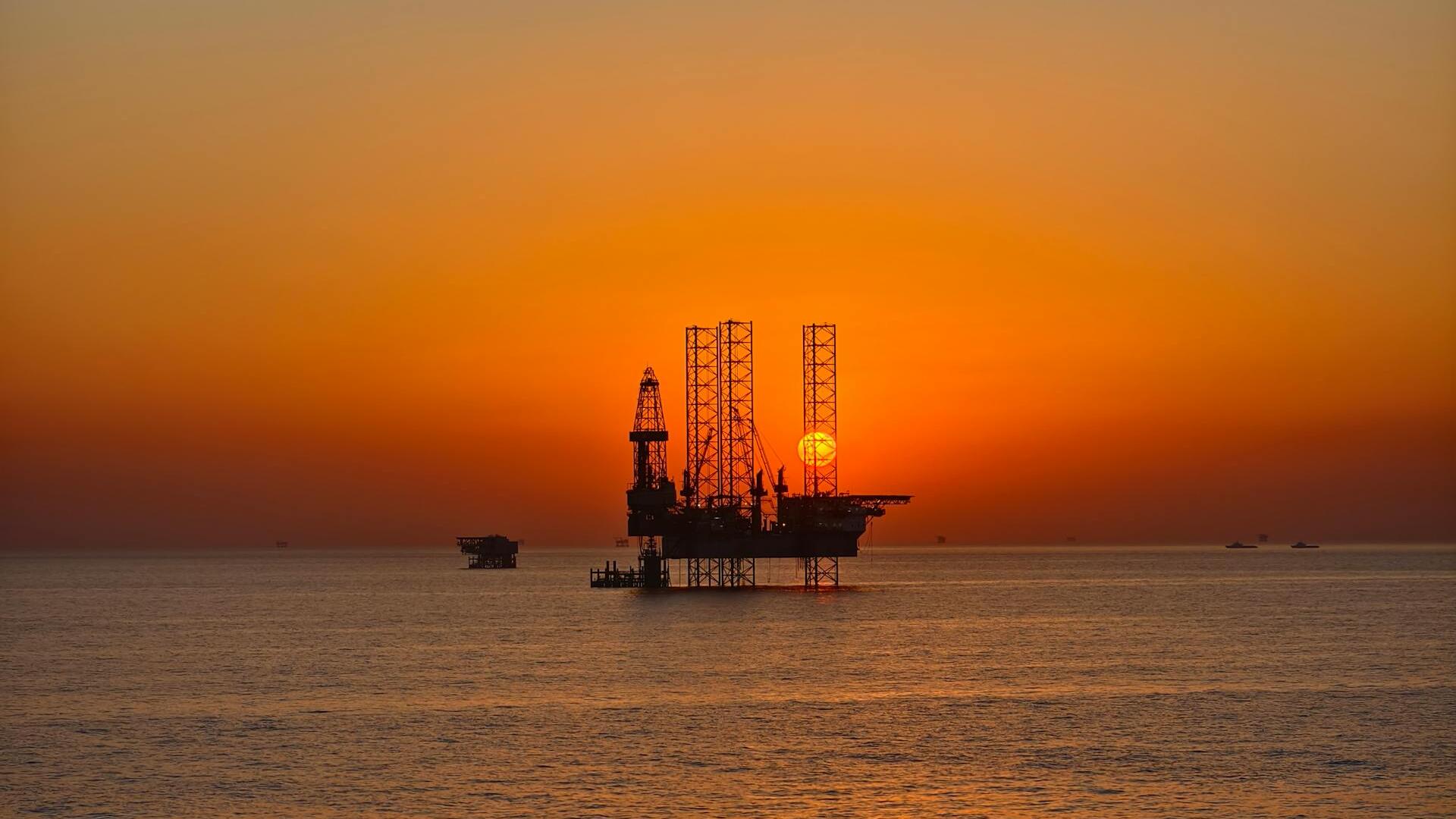
Oil prices declined during Asian trading on Tuesday as signs of renewed dialogue between the United States and Iran eased concerns over supply disruptions stemming from the ongoing blockade of the Strait of Hormuz.
By 3:20 pm AEST (5:20 am GMT), Brent crude futures fell $1.44, or 1.5%, to US$97.92 per barrel, while U.S. West Texas Intermediate crude dropped $2.28, or 2.3%, to $96.80 per barrel.
The pullback followed sharp gains in the previous session, when Brent surged more than 4%, and WTI climbed nearly 3% after the U.S. military initiated a blockade of Iranian ports, fuelling fears of constrained global supply.
On Monday, the U.S. military said the blockade would extend eastward to the Gulf of Oman and the Arabian Sea. Ship-tracking data indicated immediate disruption, with at least two vessels turning around in the Strait of Hormuz as the restrictions took effect.
Iran responded by threatening to target ports in Gulf nations following the collapse of weekend negotiations in Islamabad aimed at resolving the crisis.
Despite the breakdown in talks, diplomatic channels appear to remain open. Reuters reported that sources familiar with the negotiations indicated that dialogue between Tehran and Washington is ongoing, while Pakistani Prime Minister Shehbaz Sharif reaffirmed efforts to de-escalate tensions.
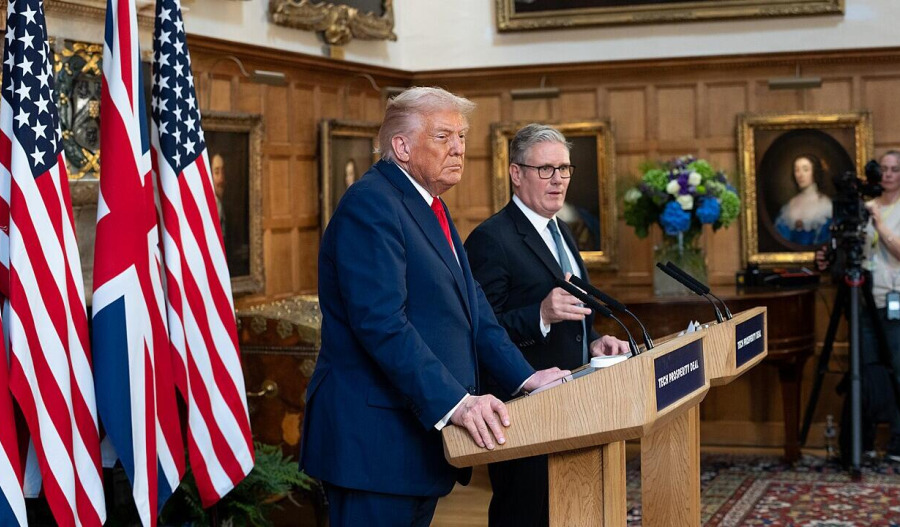
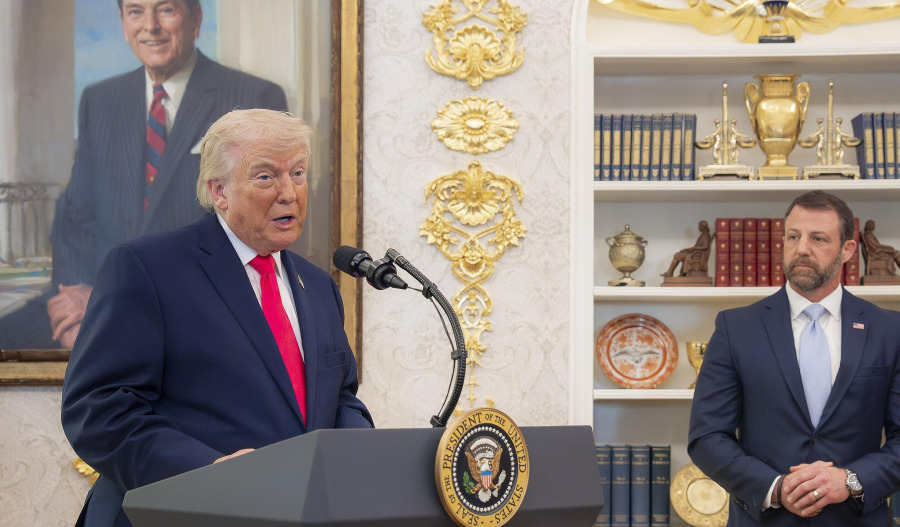
President Donald Trump said on Monday that Iran "wants to make a deal".
Vice President JD Vance, who led the U.S. delegation, told Fox News that negotiations had yielded some progress. He said the U.S. "made a lot of progress" by communicating to Tehran where Washington "could make some accommodation" and where it would remain inflexible.

Vance added that Trump remains firm on key conditions, stating that any enriched nuclear material must be removed from Iran and that a verification mechanism must be established to ensure Tehran is not developing nuclear weapons.
Tehran "moved in our direction, which is why I think we would say that we had some good signs, but they didn't move far enough," he said.
In a separate statement on Truth Social, Trump issued a stark warning regarding the blockade: "Warning: If any of these ships come anywhere close to our BLOCKADE, they will be immediately ELIMINATED, using the same system of kill that we use against the drug dealers on boats at Sea. It is quick and brutal," Trump said.
The blockade has further clouded the outlook for global energy security, with concerns extending beyond oil supply to a wide range of goods reliant on petroleum.
The move has also drawn limited international support, with NATO allies such as Britain and France declining to participate and instead calling for the reopening of the key shipping route.
U.S. Energy Secretary Chris Wright suggested that oil prices could peak in "the next few weeks" once shipping activity resumes through the Strait of Hormuz.
Meanwhile, the Organization of the Petroleum Exporting Countries lowered its global demand forecast for the second quarter by 500,000 barrels per day in its latest monthly report, reflecting growing uncertainty around the economic outlook.
Shipping data also pointed to tentative signs of adjustment in trade flows. According to Reuters, a Chinese-owned oil and chemicals tanker, Rich Starry, successfully transited the Strait of Hormuz on Tuesday, the first such passage since the blockade began.
The vessel had earlier turned back shortly after approaching the strait before eventually proceeding on its route from Sharjah towards China.