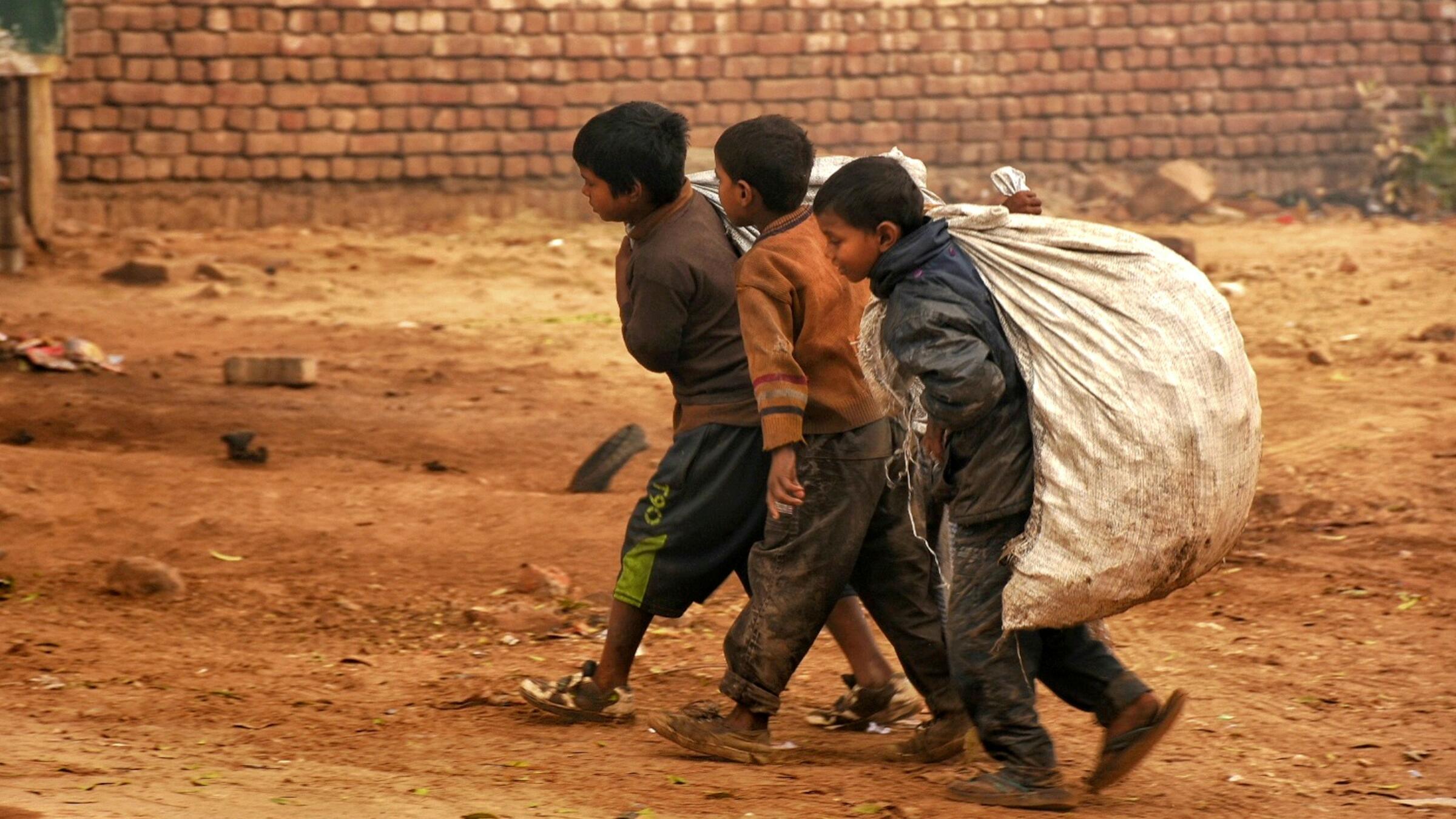
The ongoing war in Iran can push an additional 32 million people into poverty.
New projections from the United Nations Development Program (UNDP) show that as the war enters its sixth week, the impacts are evolving from an ‘acute’ to ‘enduring’ phase, putting people from 162 countries at risk of poverty.
Countries in the Gulf region, Asia, Sub-Saharan Africa, and Small Island Developing States are uniquely vulnerable,
“This new analysis shows that the shock of the escalation of the conflict in the Middle East is not limited to the countries directly affected, but falls disproportionately on those with the least fiscal room to absorb higher energy and food prices,” UNDP Administrator and UN Under-Secretary-General Alexander De Croo said.
“For these countries, the crisis forces impossible trade-offs between stabilising prices today and funding health, education, and jobs tomorrow.”
This comes as the Strait of Hormuz has been effectively shut down due to the war, causing spikes in the price of oil and causing concerns for the world’s food supply.

UNDP has set out recommendations that policymakers consider targeted and temporary cash transfers to protect poor and vulnerable households as a first line of defence.
Depending on the scenario, as much as US$6 billion in cash transfers would be needed for this measure to be effective.
However, the UNDP warned against blanket subsidies because they would unnecessarily support wealthier households and would be financially unsustainable over time.
The International Monetary Fund said even if a durable peace in the Middle East can be sustained, the “scarring effects” from the conflict have permanently damaged the global economy.
This comes as wealthier Western governments, including the U.S., Germany, France and the UK, cut their aid spending amid elevated borrowing and debt levels across advanced economies and a clamour to increase defence spending.
Figures from the Organisation for Economic Co-operation and Development (OECD), published last week, showed countries in its development assistance committee cut aid spending by $174.3 billion in 2025, almost a quarter lower than 2024’s figure.
In late March, the UNDP also said the conflict could cost economies in the Middle East 3.7% to 6% of their gross domestic product (GDP), representing a staggering loss of $120-194 billion and exceeding the cumulative regional GDP growth achieved in 2025.