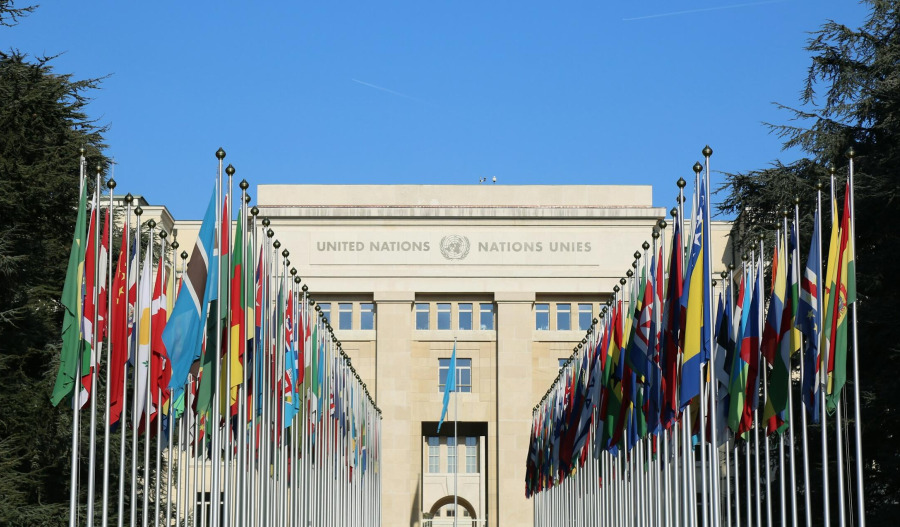
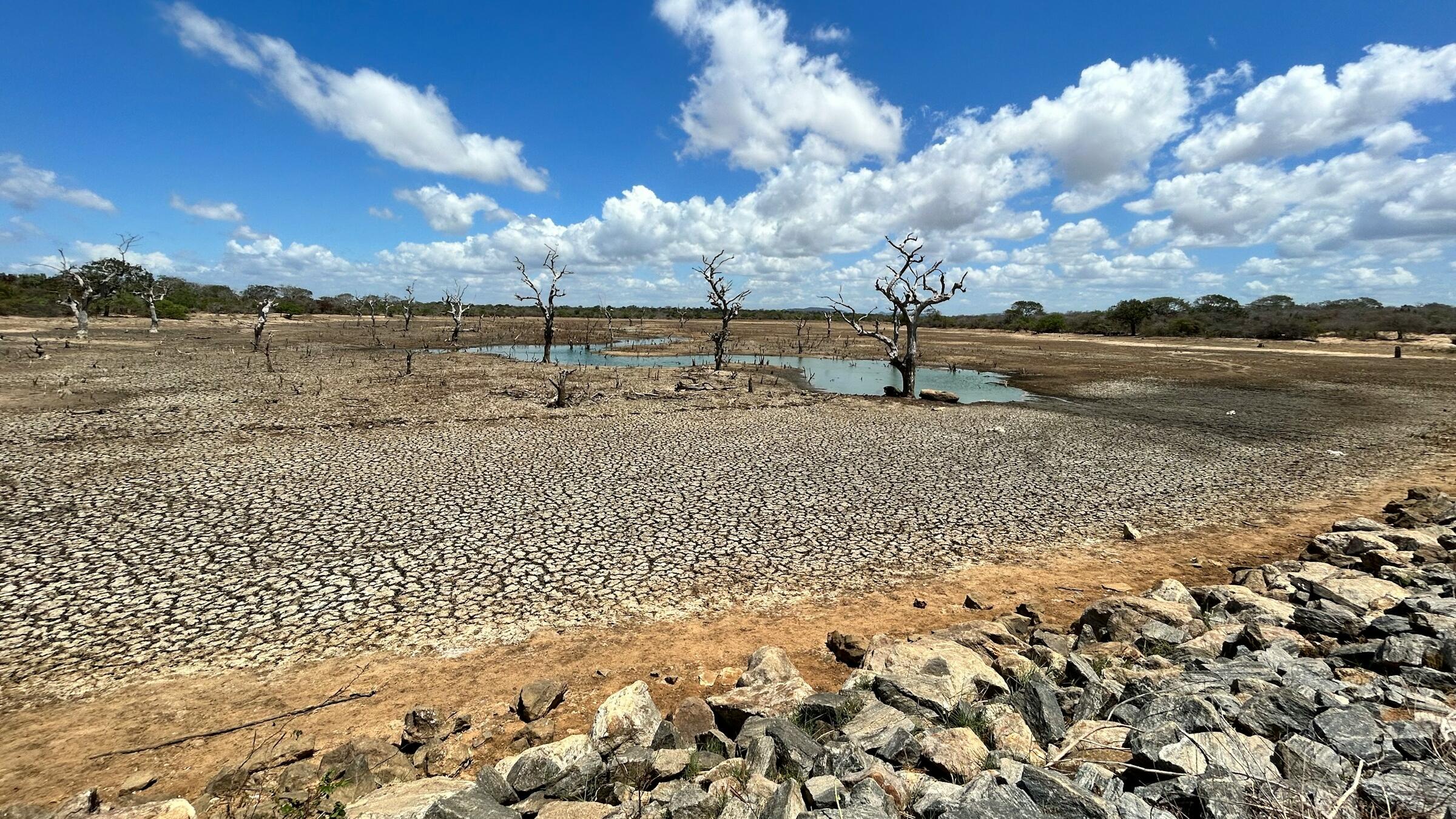
The United Nations released a report declaring that the world has entered an era of “global water bankruptcy” that is harming billions of people.
The report found that nearly three-quarters of the global population live in countries classified as “water insecure” or “critically water insecure”, and 4 billion people face severe water scarcity at least once a month.
Lead author on the report, Kaveh Madani, said this water scarcity will have global implications.
“Water bankruptcy is also global because its consequences travel,” he said.
“Agriculture accounts for the vast majority of freshwater use, and food systems are tightly interconnected through trade and prices.”
According to the research, 410 million hectares of natural wetlands, almost equal in size to the entire European Union, have been erased in the past five decades, and 50% of large lakes have lost water since the early 1990s.
As well as this, the annual value of lost wetland ecosystems has reached US$5.1 billion, and the current annual global cost of drought has reached US$307 billion.
More than 170 million hectares of irrigated crop land are also under “high” or “very high” water stress, and economic damage from land degradation, groundwater depletion and climate change amounts to more than $300 billion a year worldwide, the report said.

Madani said one of the issues is the overuse of water.
"Many regions are living beyond their hydrological means, and many critical water systems are already bankrupt," he said.
"By acknowledging the reality of water bankruptcy, we can finally make the hard choices that will protect people, economies and ecosystems.”
The report calls for fundamental changes in how water is protected and used around the world.
This includes cutting rights and claims to withdraw water to match today’s degraded supply and transforming water-intensive sectors, including agriculture.
“We cannot rebuild vanished glaciers or reinflate acutely compacted aquifers,” Madani said.
“But we can prevent further losses, and redesign institutions to live within new hydrological limits.”
Related content