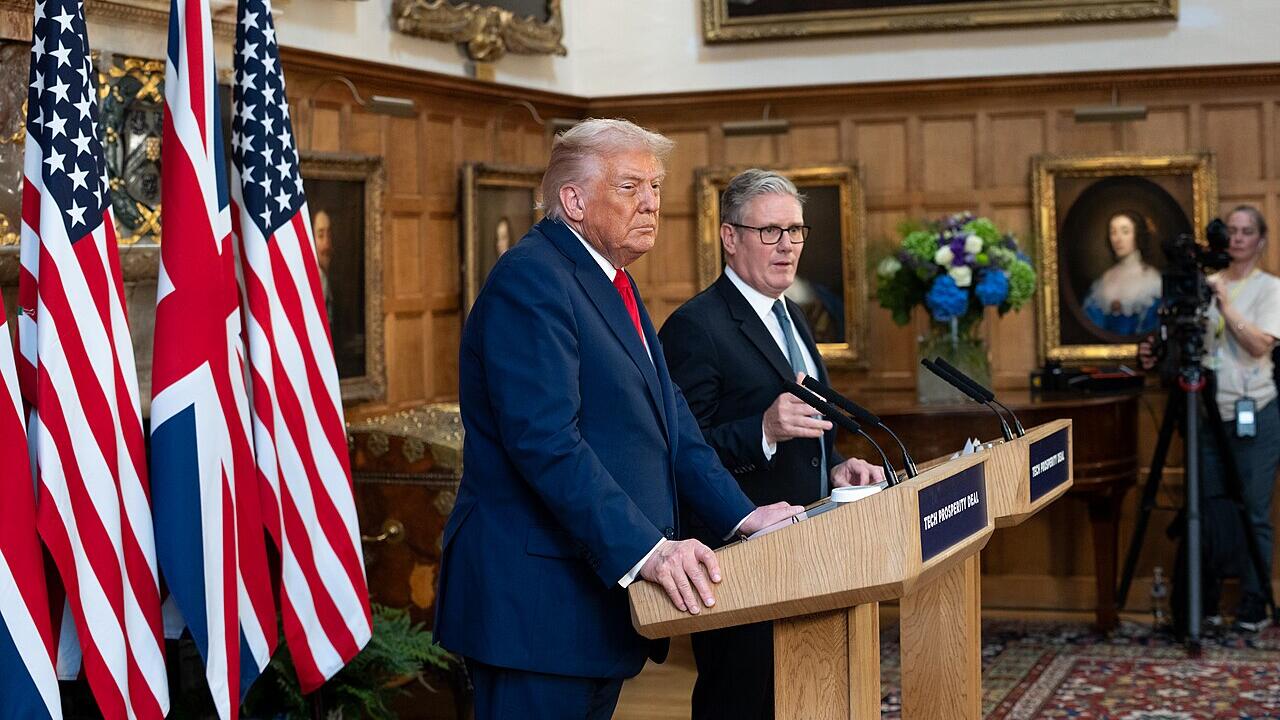
United Kingdom Prime Minister Keir Starmer said the UK will not be involved in enforcing the United States military blockade of Iran.
This comes as France and the UK plan to hold a summit to discuss a “coordinated, independent, multinational plan” to safeguard shipping in the Strait of Hormuz.
French President Emmanuel Macron has not explicitly ruled out France’s involvement in the U.S. blockade but said the planned conference would create a “peaceful multinational” and “strictly defensive” mission, separate from the belligerents.
Speaking with BBC’s Radio 5 Live, Starmer said he was committed to getting the Strait of Hormuz reopened as soon as possible to reduce rising energy prices.
“We’re not supporting the blockade, and all of the marshalling – diplomatically, politically and [in terms of] capability – we do have mine-sweeping capability, I won’t go into operational matters, but we do have that capability – that’s all focused, from our point of view, on getting the strait fully open,” he said.
“What we’ve been doing over the last few weeks – and this was part of what I was discussing with the Gulf states last week – is bringing countries together to keep the strait open, not shut.”
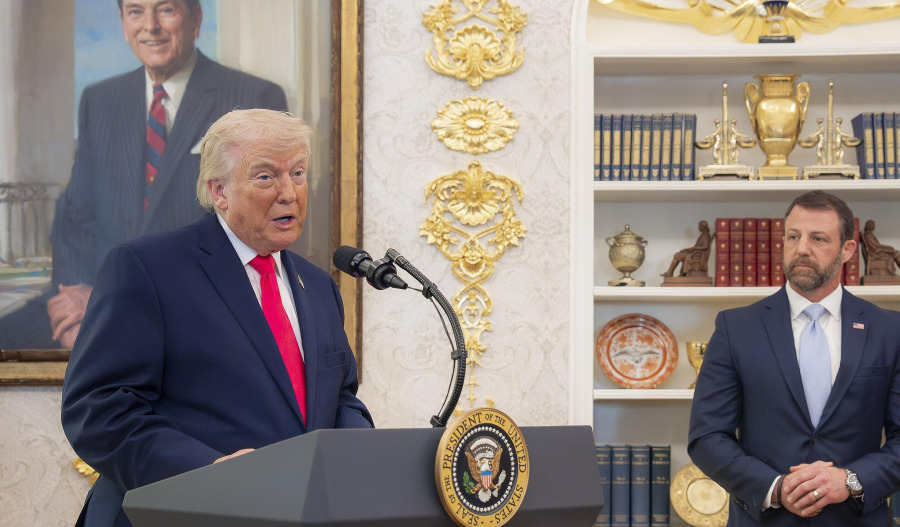
Starmer’s comments follow U.S. President Trump's implying that other countries would help implement the blockade due to start at 10 am ET on Monday, on vessels entering or exiting Iranian ports.
“Effective immediately, the United States Navy, the Finest in the World, will begin the process of BLOCKADING any and all Ships trying to enter, or leave, the Strait of Hormuz,” Trump said in a post to Truth Social.

“Other Countries will be involved with this Blockade.”
Trump started the blockade after talks between Washington and Tehran failed to produce an agreement to end the conflict in the Middle East.
Trump didn’t clarify which countries would be helping in the blockade.
Australia and Germany are among other countries that have signalled they will not be involved.
In March, European nations, among others, issued a joint statement regarding their stance on the Strait of Hormuz situation.
In the statement, the countries said they would help with offering assistance with safe passage through the waterway.
Despite Trump’s calls for allies to get involved in the war, many have refused to assist, calling it a “war of choice”.
Before the war, around a fifth of the world’s oil and a third of the global fertilisers were necessary for half of the world’s food production.
Since the start of the war, fuel prices have skyrocketed to over US$100 per barrel.